大多数时候我会怪我爸
“Most of the time, I blame my dad.”
THE DIALOGUE REEL
听说过
“I've heard of it.”
大多数时候 我会 怪我 爸
“Most of the time, I blame my dad.”
“I think because of him, my mom left.”
Direct spoken expression in this communicative setting.
Openly discussing parental blame is relatively rare in traditional Chinese culture due to filial piety, indicating a high level of intimacy and trust between the speakers.
LEARNING CHUNKS & PARTICLES
most of the time / usually
A natural spoken phrase used at the start of a sentence to describe a habitual state or recurring feeling.
blame my dad
The verb '怪' colloquially means to blame or hold a grudge against someone in personal relationships.
VOCABULARY & EXPRESSIONS
Parallel Spoken Cinema Scenes (语义近邻切片)

“I made Dad angry before.”

“Back then, I just had issues”
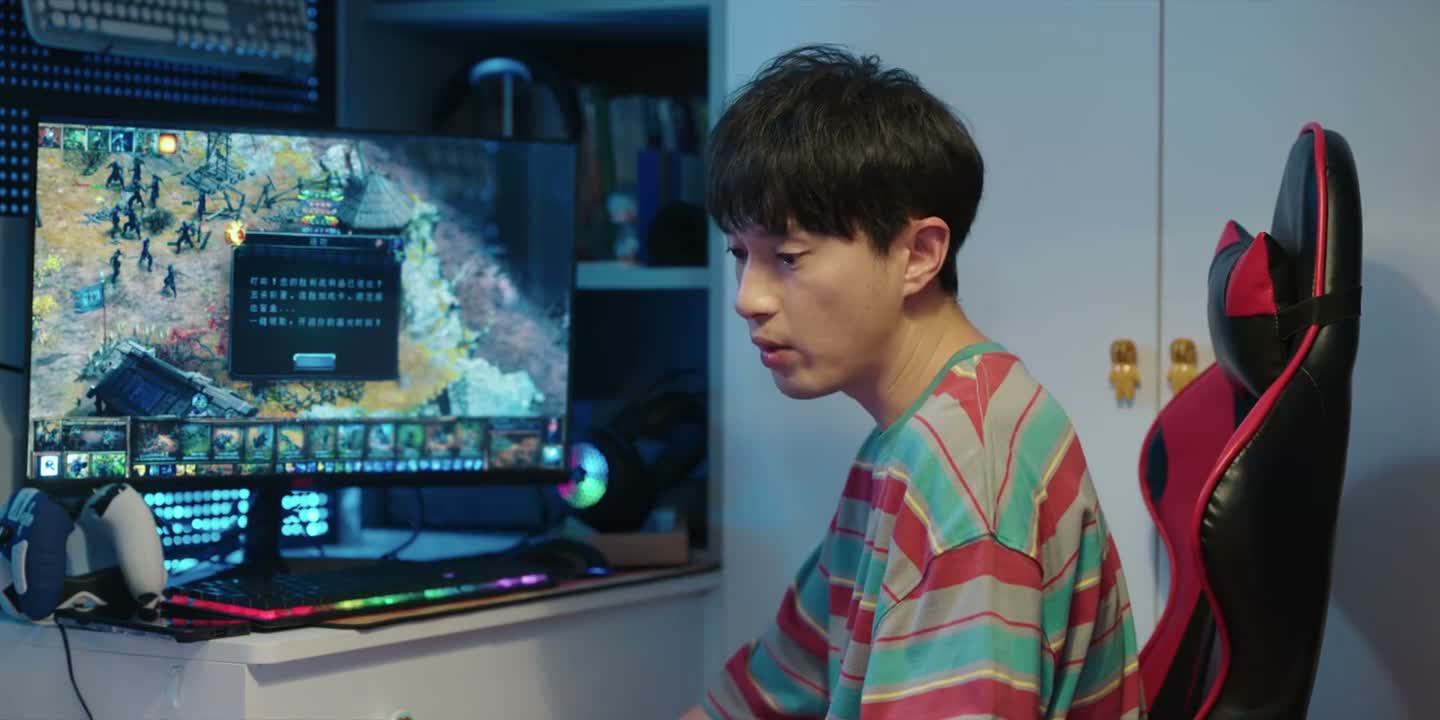
“It's only right for my dad to raise me.”

“My dad tells me most often:”

“My father and I still harbor quite a bit of resentment.”

“your dad wouldn't have gotten so angry.”