MC
MandarinClips Cinema Corpus
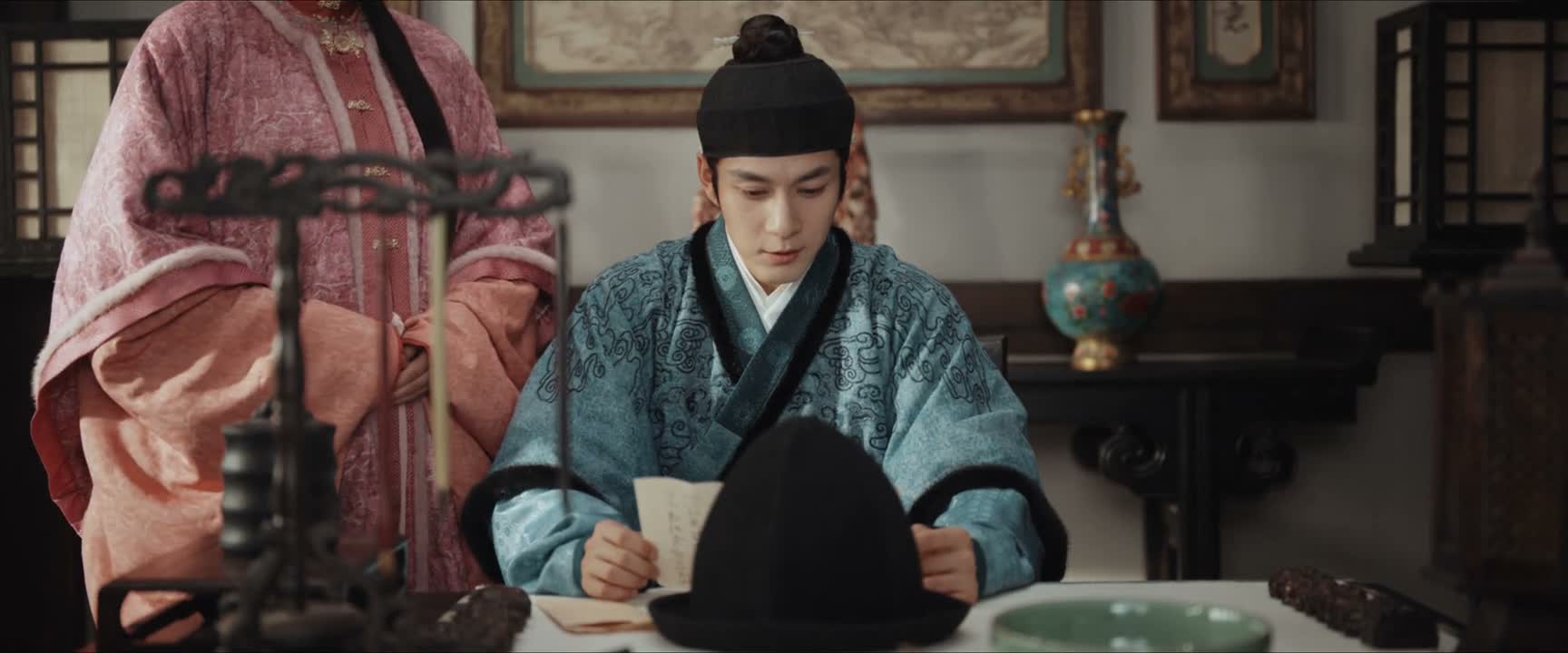
《Unveil: Jadewind》 S1·E21 (26:30) HSK 7
shì tā zì jǐ qīn shǒu zhòng xià de è guǒ

是他自己亲手种下的恶果

“He brought this upon himself.”

《Unveil: Jadewind》 S1·E21
TIMECODE: 26:30 · 1080P MASTER AUDIO

THE DIALOGUE REEL

1+1+1 SPOKEN CONTINUITY
[-1] PREVIOUS TURN dàn wǔ sī píng de sǐ dí què shì tiān dào lún huí

但伍思坪的死 的确是天道轮回

“But Wu Siping's death was his own retribution.”

shì tā zì jǐ qīn shǒu zhòng xià de è guǒ CURRENT FOCUS

是他 自己 亲手 种下的恶果

“He brought this upon himself.”

[+1] FOLLOW-UP TURN wǔ sī píng lí kāi xī jīng zhī qián shèng shàng jiù jí fù fā kǔ bù kān yán

伍思坪离开西京之前 圣上旧疾复发 苦不堪言

“Before Wu Siping left the Western Capital, His Majesty suffered from a relapse of his old illness.”

Subtitles synced to millisecond timecode Browse Show Clips →
Scene: Historical & Court
Function: ASSIGNING BLAME
Tone: JUDGMENTAL
Emotion: DISDAIN
WHAT THEY REALLY MEAN (PRAGMATIC SUBTEXT)
“He brought this entirely on himself, so no one should pity him.”
💡 Cultural Insight: Karmic Retribution (因果报应)

Rooted in Buddhist philosophy, Chinese culture heavily invokes cause and effect ('planting melons yields melons') to rationalize catastrophic downfalls.

INTENT TAGS: #moralizing #justification #condemnation #karmic_blame
🧩

LEARNING CHUNKS & PARTICLES

2 CHUNKS · 1 PARTICLES
亲手 SPOKEN CHUNK

with one's own hands / personally

Used before verbs to emphasize that someone did an act themselves without relying on others.

种下恶果 SPOKEN CHUNK

to reap the whirlwind / to sow bad seeds that yield evil results

A common idiomatic metaphor derived from Buddhist karmic concepts, describing actions that lead to disaster.

Modal Particle「的」 (de) CHANGE OF STATE

Serves as a nominalizer/modifier linking the action to the noun 'evil fruit'.

🏮

VOCABULARY & EXPRESSIONS

2 EXPR · 0 GRAMMAR
CROSS-CINEMA CORPUS BOARD · PARALLEL SCENES

Parallel Spoken Cinema Scenes (语义近邻切片)

EXPLORE BY SEMANTIC SIMILARITY
《Unveil: Jadewind》 S1·E21 (26:30) · Authentic Cinema Dialogue Corpus