不好意思 跑神了 再来吧
“Sorry. I spaced out. Let's do it again.”
THE DIALOGUE REEL
罢罢罢将心狠 跳悬崖了情根
“♪Enough, I'll harden my heart♪ ♪Leap off the cliff, and sever love's root♪”
不好意思 跑神了 再 来吧
“Sorry. I spaced out. Let's do it again.”
洗头啊剪头
“Wash or cut?”
Direct spoken expression in this communicative setting.
Using '不好意思' rather than a formal apology allows speakers to acknowledge minor human errors without making the interaction overly dramatic.
LEARNING CHUNKS & PARTICLES
excuse me, sorry
The standard polite way to apologize for minor slip-ups or interruptions in daily Chinese.
to space out or lose focus
A natural, colloquial northern expression equivalent to losing concentration or daydreaming.
to try again or do another round
Used in rehearsals, games, or tasks when resetting to perform an action over.
Indicates that the lapse in attention has already occurred as an accomplished event.
Softens the suggestion to start over, seeking consensus.
VOCABULARY & EXPRESSIONS
Parallel Spoken Cinema Scenes (语义近邻切片)

“I'm sorry. I can't continue anymore. Give us an explanation now!”
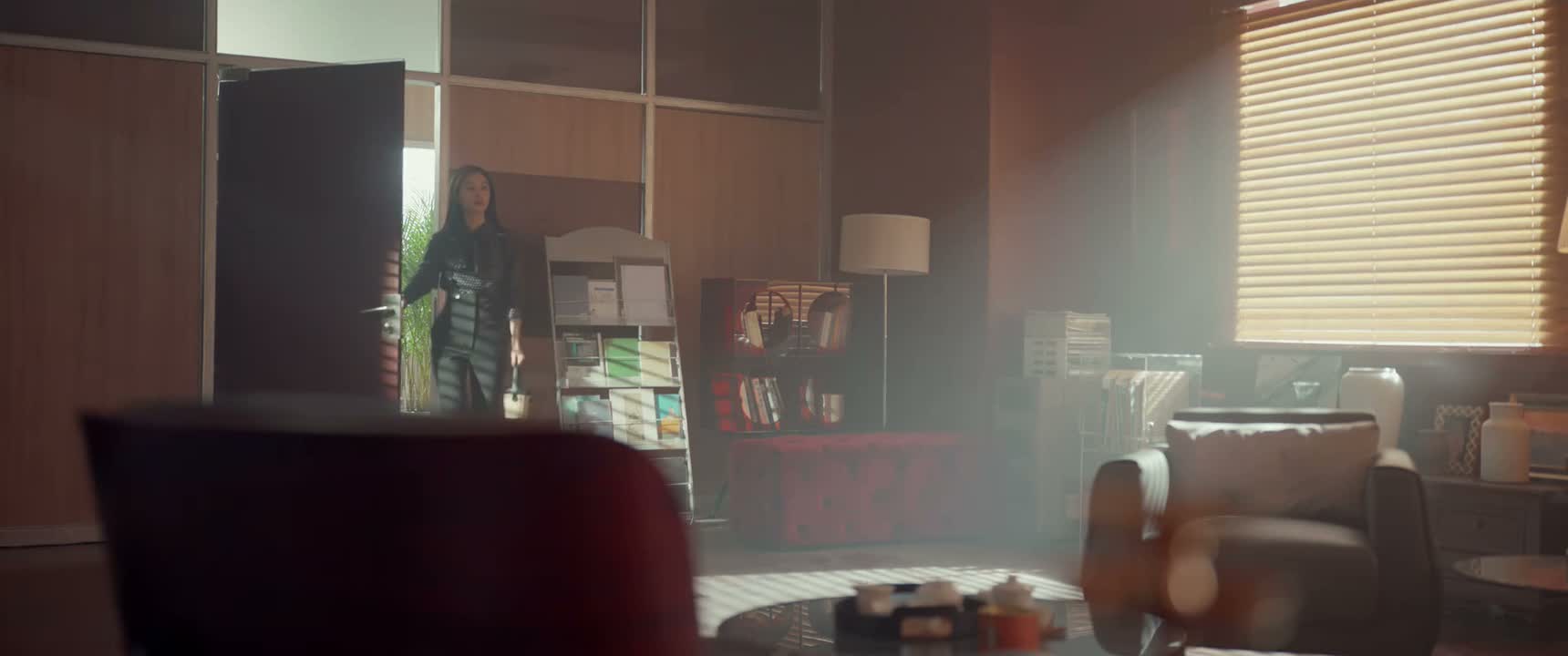
“Sorry, could you wait just a moment?”

“Sorry. I'm not feeling very well today.”

“Excuse me, can I get through?”