来吧
lái baCommon spoken expression used by native Chinese speakers in daily life.
[Scene: 其他场景]
(21 clips) 00:02
 00:02
 00:02
 00:02
 00:02
 00:03
 00:02
 00:03
(我就在派出所门口呢) ── Previous context
“I passed by after work. You come out. I won't go in.”
 00:02
(阿姨) ── Previous context
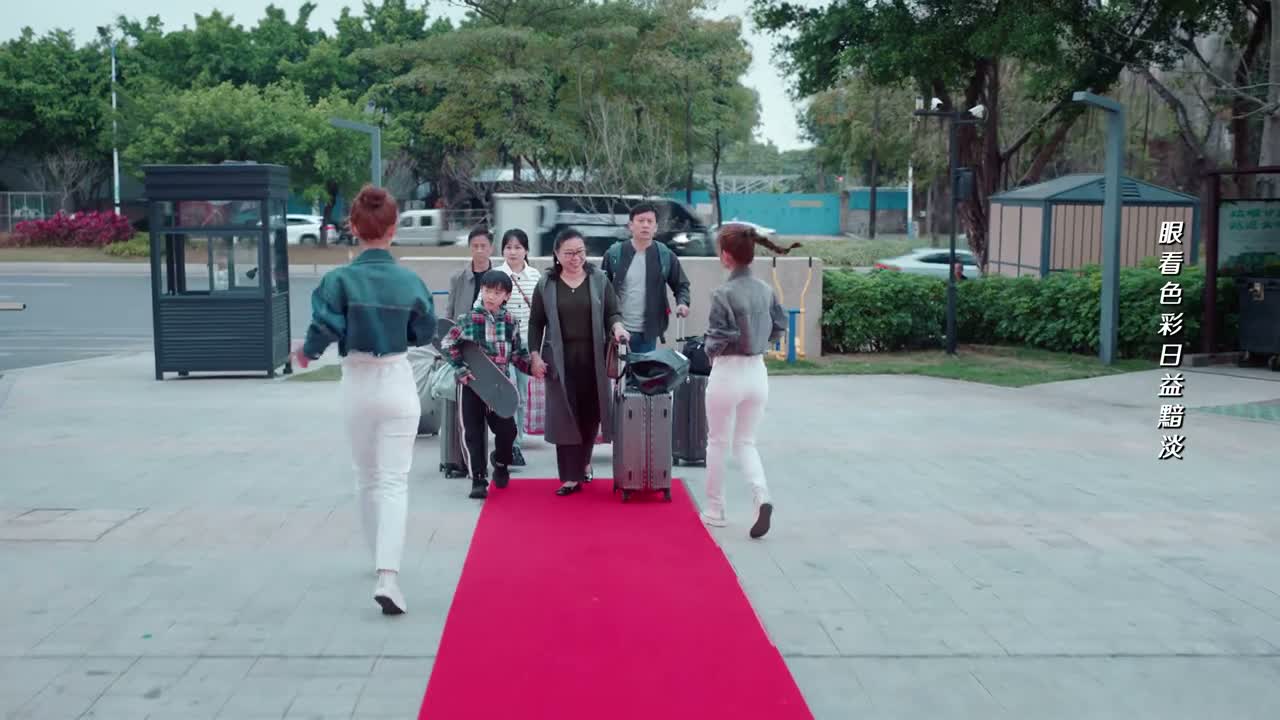
“Welcome back to Four Wall Apartments. Let me help you carry that.”
 00:02
 00:02
 00:03
 00:03
(我说饭盒里装的是啥 包子) ── Previous context
“Red-braised pork. You could guess till dawn and miss it. Come on.”
 00:02
 00:03
(小川不在的) ── Previous context
“Is something wrong? Grandma, let me help you out first.”
 00:02
 00:03
(晚点跟我哥去看电影) ── Previous context
“Then wait for Mingyue and come back together with her.”
 00:02
 00:02
 00:03
 00:02
[Scene: 其他场景]
(18 clips) 00:03
 00:02
 00:02
 00:02
 00:03
(行行行 我不解释了 我认错行了吧 我道歉) ── Previous context
“I was wrong, okay? Come out. Don't stay in there.”
 00:03
 00:02
 00:02
 00:03
 00:03
(大伙儿看哪 他刚刚把手印都印在这儿) ── Previous context
“-You don't think this situation... -I didn't take advantage of her! Is going to escalate into a fight, do you?”
 00:02
 00:03
 00:02
(你去找他干什么 有什么用啊) ── Previous context
“The top priority now is to rescue Master, right?”
 00:02
 00:03
(是想把什么东西放出来) ── Previous context
“You guys didn't let anything out, did you? We didn't.”
 00:03
(既然知道我是谁) ── Previous context
“Since you know who I am, stop wasting your breath. - Bring it on. - Kill him.”
 00:03
(我是良心商户 每年合法纳税) ── Previous context
“If you want to enter my private property, at least get a search warrant!”
 00:02
[Scene: 商务沟通]
(1 clips) 00:03
(伙计) ── Previous context
“She is not here. We are closed. Please come back tomorrow.”
📌 别生气了
→Nuance: 道歉劝解意图高度一致可互换
📌 没事
→Nuance: 均表婉拒帮助并坚持自己来
📌 没事
→Nuance: 核心意图皆为主揽事务
📌 走走走
→Nuance: 表达更平淡客套的迎客变体
📌 走走走
→Nuance: 同向近义词根配对: [我们 ↔ 咱们]
📌 来来来
→Nuance: 同为安慰对方发泄哭出来
📌 来来来
→Nuance: 热情招呼进门,意图完全一致
📌 你赶紧
→Nuance: 同为催促对方致电某人