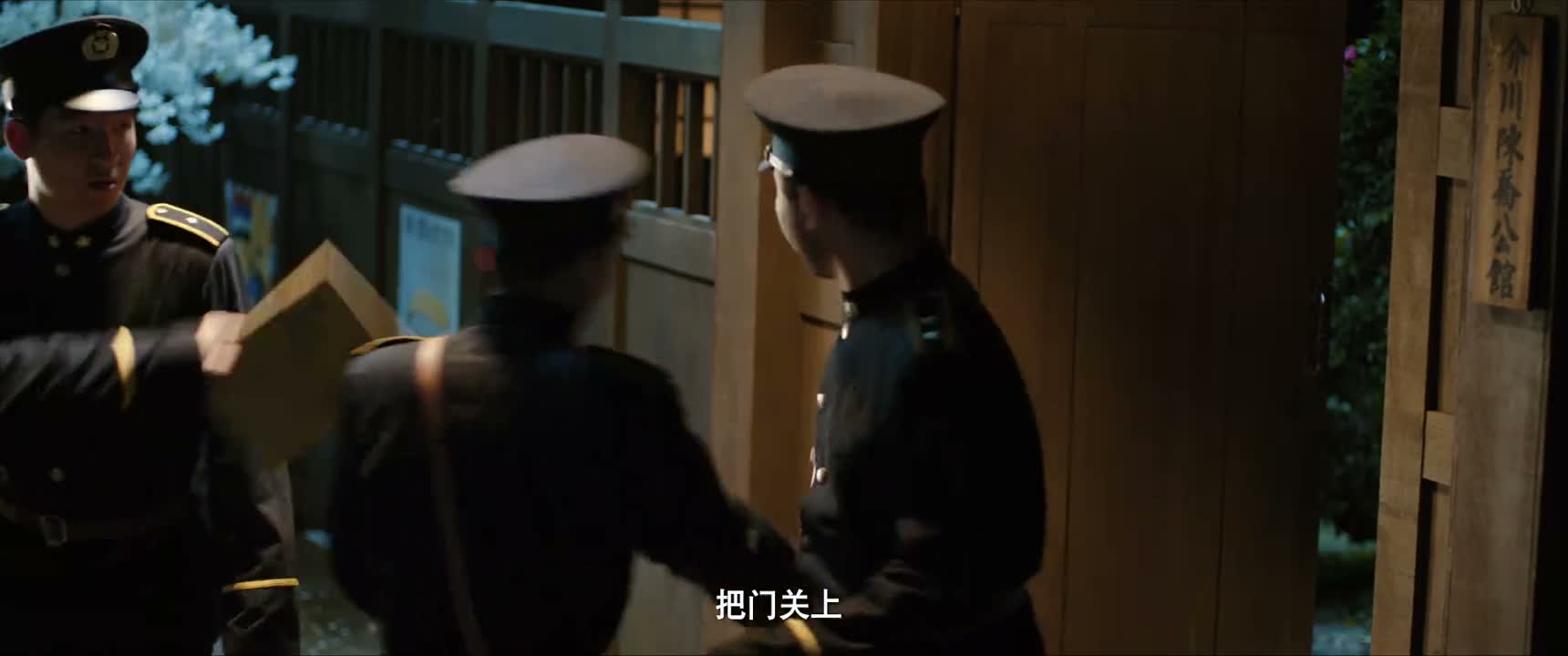
《Vanished Name》 S1·E4 (37:20)
HSK 3
bǎ mén dài shàng hǎo lei
把门带上 好嘞
“Get the door. Sure.”
《Vanished Name》
S1·E4
TIMECODE: 37:20
·
1080P MASTER AUDIO
THE DIALOGUE REEL
[-1] PREVIOUS TURN
zǒu le mā
走了妈
“Bye, Mom.”
bǎ mén dài shàng hǎo lei
CURRENT FOCUS
把门带上 好嘞
“Get the door. Sure.”
[+1] FOLLOW-UP TURN
nǐ zǎ zhī dào wǒ zhè ge diǎn huí lái
“How did you know I'd be back right now?”
Subtitles synced to millisecond timecode
Browse Show Clips →
Scene:
Family & Home
Function:
INSTRUCTING AND COMPLYING
Tone:
CASUAL
WHAT THEY REALLY MEAN (PRAGMATIC SUBTEXT)
Direct spoken expression in this communicative setting.
💡 Cultural Insight: Casual Domestic Directness
Family members in Chinese households rarely use elaborate politeness markers like 'please' for simple household actions, relying instead on warm tones.
INTENT TAGS:
#instruction
#compliance
#acknowledgment
#casual_farewell
🧩
2 CHUNKS · 1 PARTICLES
LEARNING CHUNKS & PARTICLES
把门带上
SPOKEN CHUNK
close the door behind you
A very common colloquial expression used when someone is leaving a room or house to remind them to shut the door.
好嘞
SPOKEN CHUNK
ok / will do / alright
A cheerful and compliant colloquial acknowledgment commonly used in northern Mandarin.
Modal Particle「嘞」 (lei)
CHANGE OF STATE
Adds a lively, enthusiastic, and compliant tone to an agreement.
🏮
2 EXPR · 0 GRAMMAR
VOCABULARY & EXPRESSIONS
COLLOQUIAL EXPRESSIONS:
CROSS-CINEMA CORPUS BOARD · PARALLEL SCENES
EXPLORE BY SEMANTIC SIMILARITY
Parallel Spoken Cinema Scenes (语义近邻切片)
《Vanished Name》 S1·E4 (37:20) · Authentic Cinema Dialogue Corpus