《About Love》 S1·E7 (06:15)
HSK 3
wǒ men nǎ yǒu shí jiān yǎng gǒu a
我们哪有时间养狗啊
“When would we have time for a dog?”
《About Love》
S1·E7
TIMECODE: 06:15
·
1080P MASTER AUDIO
THE DIALOGUE REEL
[-1] PREVIOUS TURN
hái yǒu yī duī suǒ shì yào chǔ lǐ
还有一堆琐事要处理
“and have tons of stuff to handle.”
wǒ men nǎ yǒu shí jiān yǎng gǒu a
CURRENT FOCUS
我们 哪有时间 养狗 啊
“When would we have time for a dog?”
[+1] FOLLOW-UP TURN
shì nǐ máng
是 你忙
“Yes, you're busy.”
Subtitles synced to millisecond timecode
Browse Show Clips →
Scene:
Family & Home
Function:
RHETORICAL REFUSAL
Tone:
IMPATIENT
Emotion:
FRUSTRATION
WHAT THEY REALLY MEAN (PRAGMATIC SUBTEXT)
“We are way too busy to take care of a dog.”
💡 Cultural Insight: Rhetorical Negation with Na You
Mandarin speakers frequently employ 'na' (where) rhetorically to express absolute denial or impossibility rather than an actual query.
INTENT TAGS:
#refusal
#complaint
#justifying
#rhetorical_question
🧩
1 CHUNKS · 1 PARTICLES
LEARNING CHUNKS & PARTICLES
哪有时间
SPOKEN CHUNK
how could there be any time / no time at all
A very common spoken rhetorical pattern used to emphatically state that one is too busy.
Modal Particle「啊」 (a)
CHANGE OF STATE
Adds emotional intensity and emphasis to the rhetorical question.
🏮
1 EXPR · 1 GRAMMAR
VOCABULARY & EXPRESSIONS
COLLOQUIAL EXPRESSIONS:
GRAMMAR BLUEPRINTS:
CROSS-CINEMA CORPUS BOARD · PARALLEL SCENES
EXPLORE BY SEMANTIC SIMILARITY
Parallel Spoken Cinema Scenes (语义近邻切片)

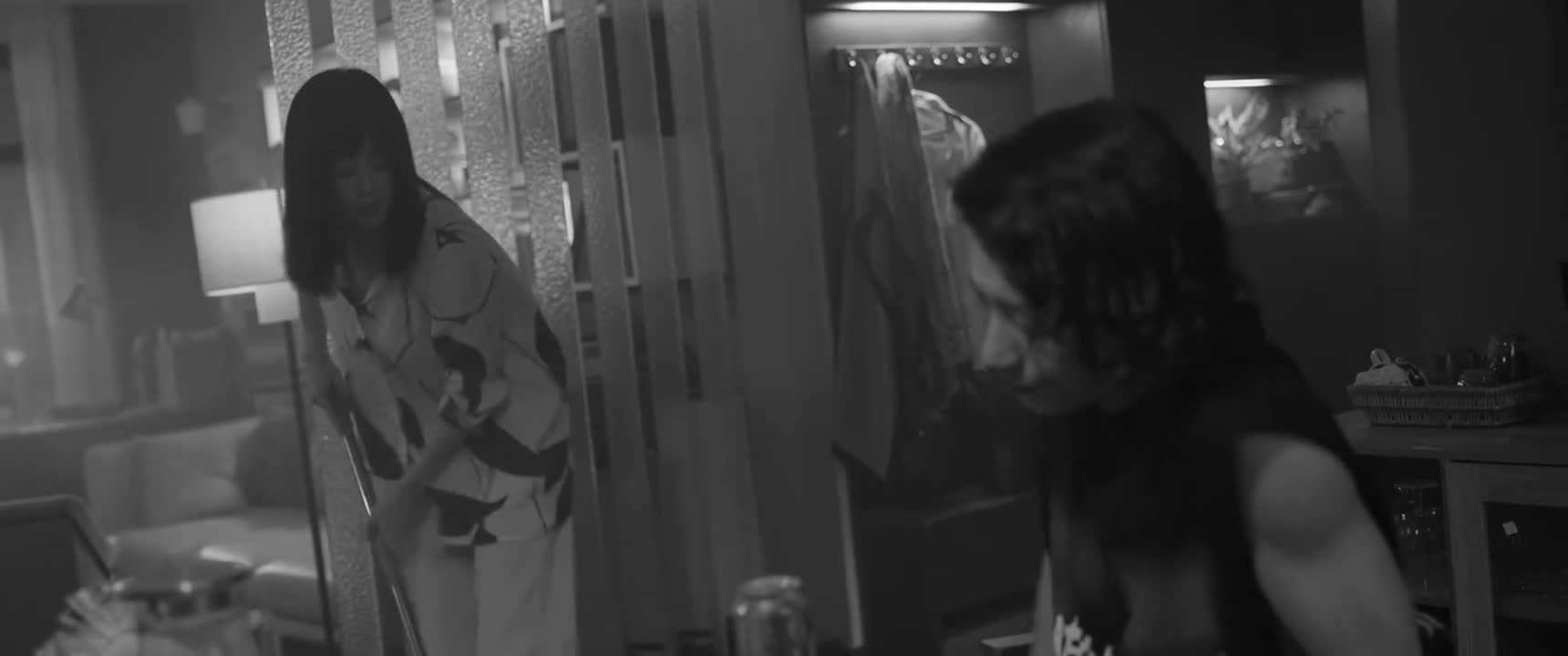
《About Love》 S1·E7 (06:15) · Authentic Cinema Dialogue Corpus