MC
MandarinClips Cinema Corpus
《The Lead》 S1·E46 (28:20) HSK 3
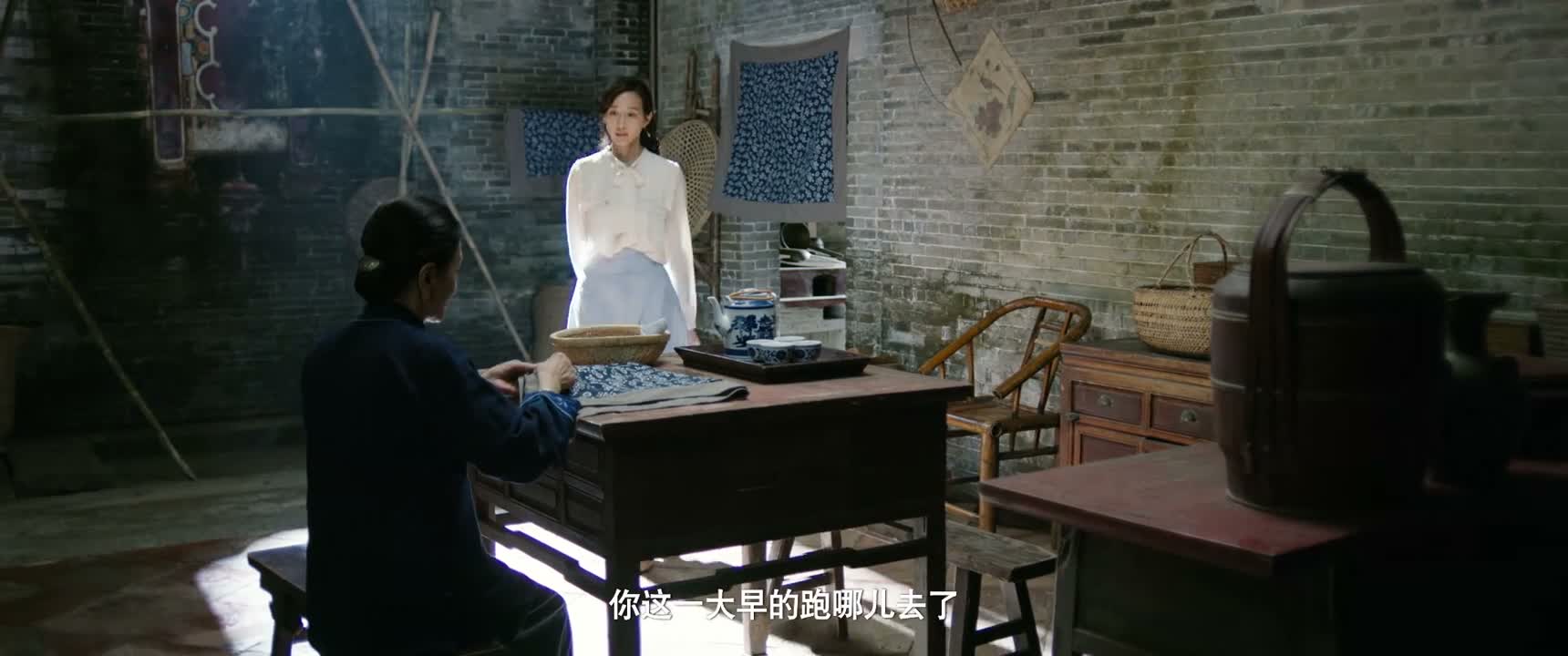
zhè yī dà zǎo nǐ sān gè gàn shá qù le

这一大早你三个干啥去了

“Where did you three go so early this morning?”

《The Lead》 S1·E46
TIMECODE: 28:20 · 1080P MASTER AUDIO

THE DIALOGUE REEL

1+1+1 SPOKEN CONTINUITY
[-1] PREVIOUS TURN chī fàn le wǒ mǎi le zǎo fàn

吃饭了 我买了早饭

“Time to eat. I bought breakfast.”

zhè yī dà zǎo nǐ sān gè gàn shá qù le CURRENT FOCUS

这一大早 你三个 干啥去了

“Where did you three go so early this morning?”

[+1] FOLLOW-UP TURN dài tā kāi sǎng qù le

带她开嗓去了

“To warm up her voice.”

Subtitles synced to millisecond timecode Browse Show Clips →
Scene: Daily Life
Function: INQUIRING
Tone: CASUAL
Emotion: CURIOSITY
WHAT THEY REALLY MEAN (PRAGMATIC SUBTEXT)

Direct spoken expression in this communicative setting.

💡 Cultural Insight: Casual Domestic Greetings

Asking 'where did you go' or 'what did you do' upon seeing someone in the morning is a typical Chinese way of showing everyday care and establishing conversation, not an intrusive interrogation.

INTENT TAGS: #inquiry #curiosity #casual_greeting #domestic_chat
🧩

LEARNING CHUNKS & PARTICLES

2 CHUNKS · 1 PARTICLES
一大早 SPOKEN CHUNK

early morning; crack of dawn

Commonly used in spoken Chinese to emphasize that an action happened very early in the day.

干啥去了 SPOKEN CHUNK

what did you go do; where did you go

A highly colloquial, Northern Chinese phrasing used to ask what someone went to do.

Modal Particle「了」 (le) CHANGE OF STATE

Marks the completion of the departure/action and anchors the question in past time.
🏮

VOCABULARY & EXPRESSIONS

2 EXPR · 0 GRAMMAR
CROSS-CINEMA CORPUS BOARD · PARALLEL SCENES

Parallel Spoken Cinema Scenes (语义近邻切片)

EXPLORE BY SEMANTIC SIMILARITY
《The Lead》 S1·E46 (28:20) · Authentic Cinema Dialogue Corpus