我 我怕你呀 我
“♪ A human who steals honey— calls the bees hardworking ♪ I-I'm not scared of you! ♪ Absurd, greedy— self-proclaimed superior beings ♪”
THE DIALOGUE REEL
我怕你呀
“♪ A human who steals honey— calls the bees hardworking ♪ I'm not scared of you!”
我 我怕你 呀 我
“♪ A human who steals honey— calls the bees hardworking ♪ I-I'm not scared of you! ♪ Absurd, greedy— self-proclaimed superior beings ♪”
干啥
“♪ Absurd, greedy— self-proclaimed superior beings ♪ What are you doing?”
“You don't scare me at all, so don't try to intimidate me.”
In Chinese verbal clashes, repeating rhetorical challenges like '我怕你呀' is a common defense mechanism to maintain face and signal that one will not yield ground.
LEARNING CHUNKS & PARTICLES
afraid of you / scared of you
Commonly used in spoken rhetorical questions like '我怕你呀' to aggressively signal that one is not intimidated.
Softens the phonetics while sharpening the rhetorical edge, making the defiance sound challenging and provocative.
VOCABULARY & EXPRESSIONS
Parallel Spoken Cinema Scenes (语义近邻切片)

“I'm afraid if something happens,”

“What about you? Why would I be scared?”

“I... I'm afraid I won't succeed.”

“I'm afraid I'll hold you up.”
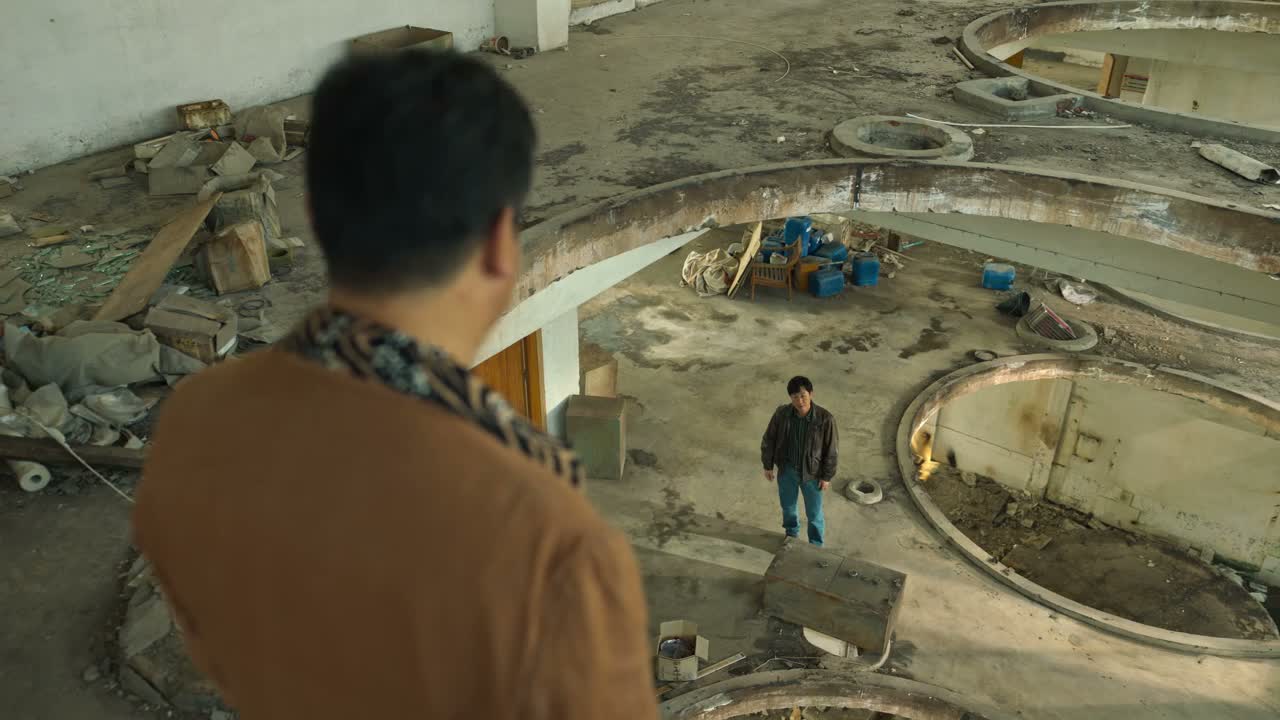
“One-on-one. I'm not afraid of you.”

“I'm afraid... I'm afraid the police will trace it to you,”