《The Lead》 S1·E16 (33:01)
HSK 4
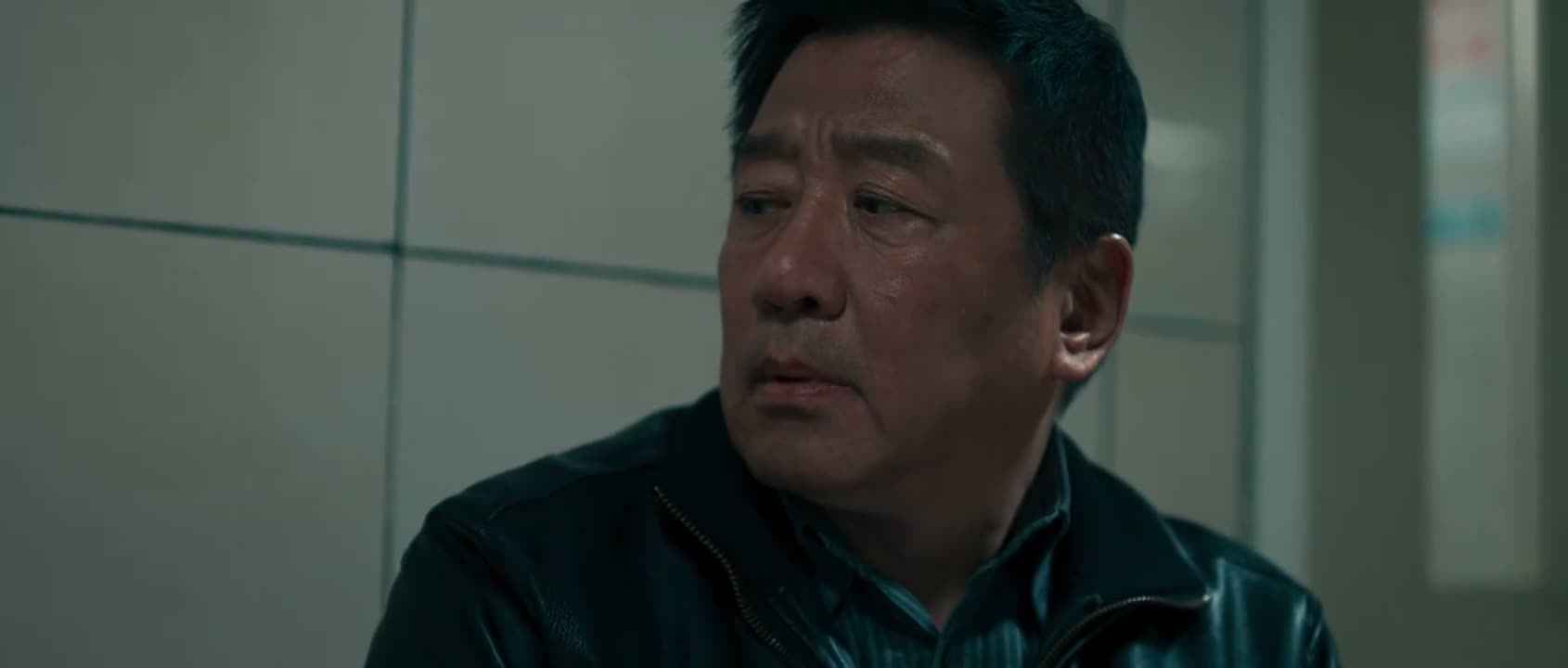
dào nǐ zěn me jiù huǒ fá le ne
到你怎么就火乏了呢
“Why did it die when you took over?”
《The Lead》
S1·E16
TIMECODE: 33:01
·
1080P MASTER AUDIO
THE DIALOGUE REEL
[-1] PREVIOUS TURN
wǒ zhī dào le gǎn jǐn dào diǎn méi wǒ gāng cái chǎo dé hǎo hǎo de
“- Got it. - Hurry and add some coal. I was cooking just fine earlier.”
dào nǐ zěn me jiù huǒ fá le ne
CURRENT FOCUS
到你 怎么就 火乏了 呢
“Why did it die when you took over?”
Subtitles synced to millisecond timecode
Browse Show Clips →
Scene:
Daily Life
Function:
SHIFTING BLAME
Tone:
ACCUSATORY
Emotion:
FRUSTRATION
WHAT THEY REALLY MEAN (PRAGMATIC SUBTEXT)
“It's your fault the heat died down, not my cooking.”
💡 Cultural Insight: Stove Management in Traditional Life
Controlling the heat on traditional coal-burning stoves was crucial for Chinese stir-frying (huohou), making stove maintenance a frequent trigger for household bickering.
INTENT TAGS:
#blame_shifting
#complaint
#defensiveness
#questioning
🧩
2 CHUNKS · 1 PARTICLES
LEARNING CHUNKS & PARTICLES
火乏了
SPOKEN CHUNK
the fire lost its heat / the flame weakened
A traditional colloquial Northern expression referring to stove fire dying down or losing intensity.
怎么就
SPOKEN CHUNK
how on earth did it end up
Used rhetorically to question an unexpected and frustrating turn of events.
Modal Particle「呢」 (ne)
CHANGE OF STATE
Softens the rhetorical query while maintaining an inquisitive, mildly accusatory stance.
🏮
2 EXPR · 1 GRAMMAR
VOCABULARY & EXPRESSIONS
COLLOQUIAL EXPRESSIONS:
GRAMMAR BLUEPRINTS:
CROSS-CINEMA CORPUS BOARD · PARALLEL SCENES
EXPLORE BY SEMANTIC SIMILARITY
Parallel Spoken Cinema Scenes (语义近邻切片)
《The Lead》 S1·E16 (33:01) · Authentic Cinema Dialogue Corpus