还得他来啊 那我还请不动你们了吗
“He has to come himself? So my word isn't good enough?”
THE DIALOGUE REEL
让黄正经亲自来给我们说
“Huang Zhengjing must ask us in person.”
还得 他来啊 那我还 请不动 你们了吗
“He has to come himself? So my word isn't good enough?”
两码事
“That's different.”
“Am I not important enough for you to do this for me?”
Saying 'I cannot even invite you' suggests a loss of social standing, as Chinese interpersonal coordination relies heavily on relational respect.
LEARNING CHUNKS & PARTICLES
unable to persuade or invite someone of higher status or stubborn attitude
Used when someone refuses an invitation, often with an ironic or self-deprecating undertone.
still have to; must really require
Indicates annoyance or disbelief that an additional, troublesome condition must be met.
Expresses disbelief and dissatisfaction at the condition imposed.
Turns the sentence into an indignant rhetorical question asserting injured dignity.
VOCABULARY & EXPRESSIONS
Parallel Spoken Cinema Scenes (语义近邻切片)
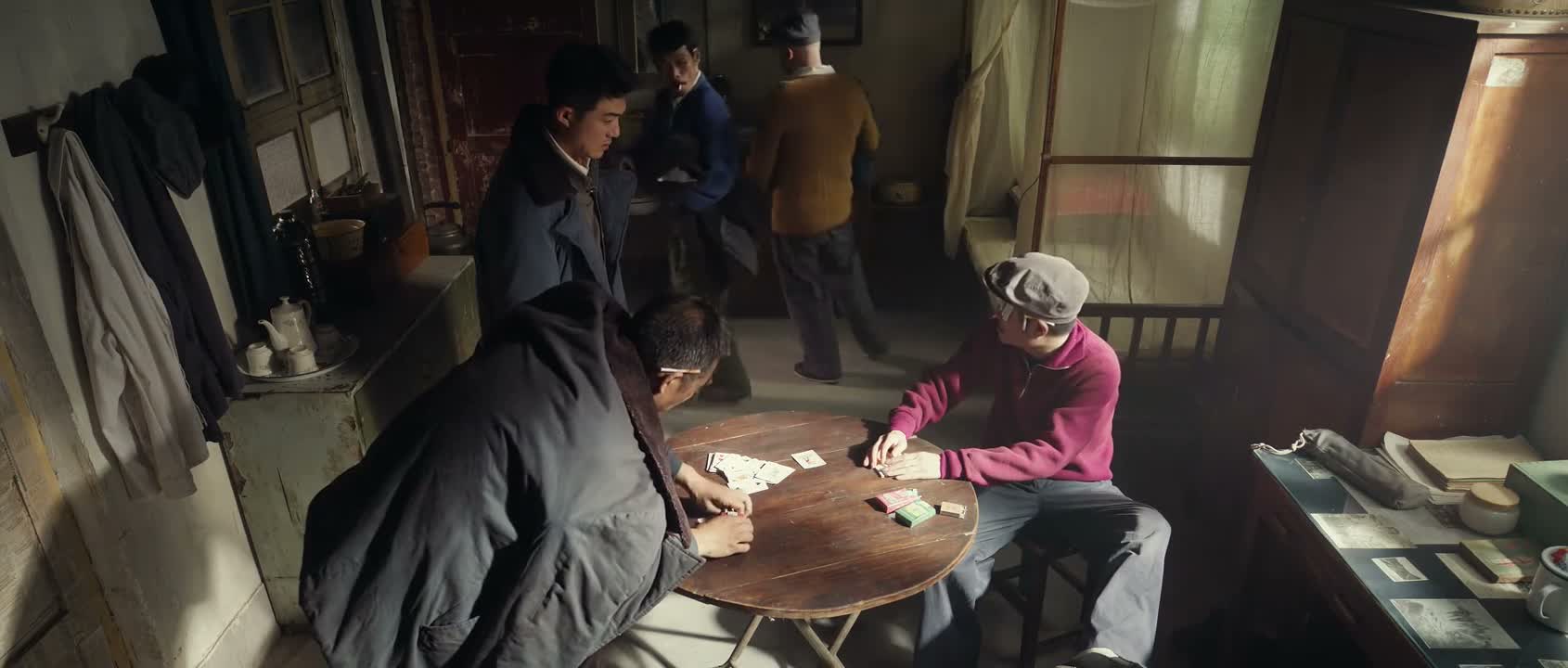
“Come back later. Later? How's your leg?”

“She just had it? That came a bit late.”

“He's coming. He's coming!”

“Is he coming? Of course! It's a great chance. How could he miss it?”

“Go if you want, I'm not going anyway.”
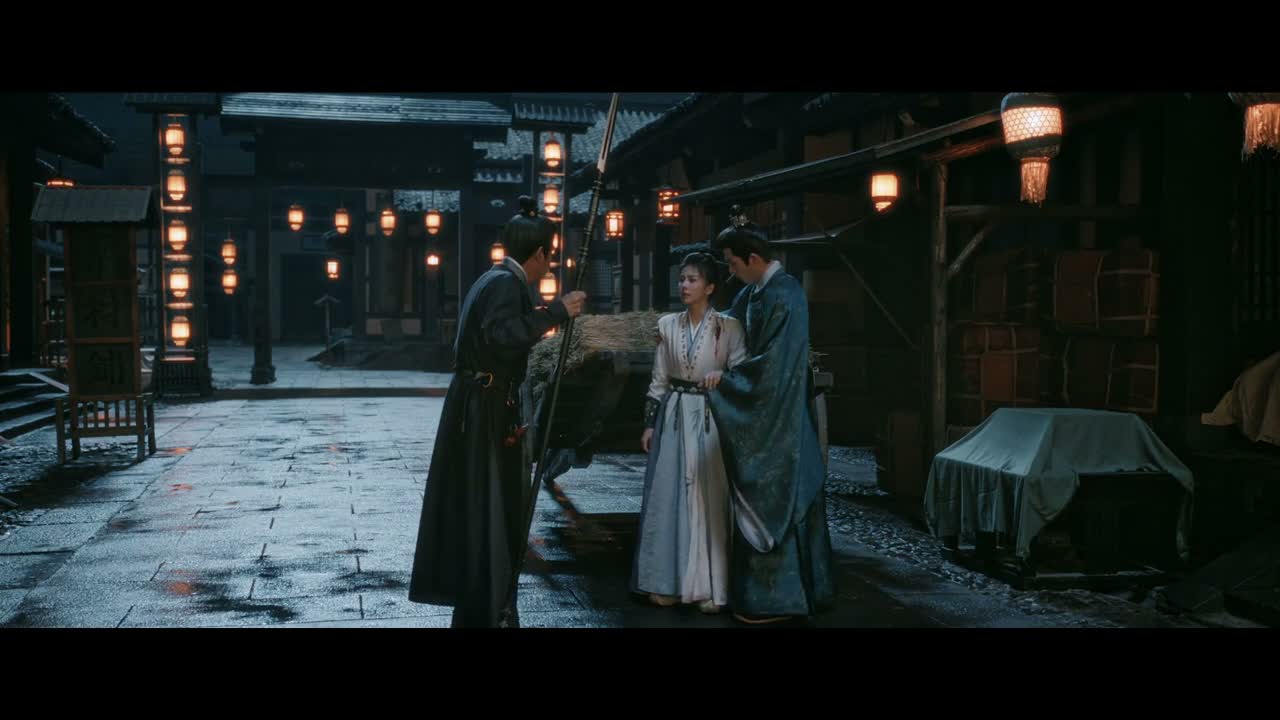
“Why did you come? If I don't come now,”