MC
MandarinClips Cinema Corpus
《The First Jasmine》 S1·E4 (12:02) HSK 7
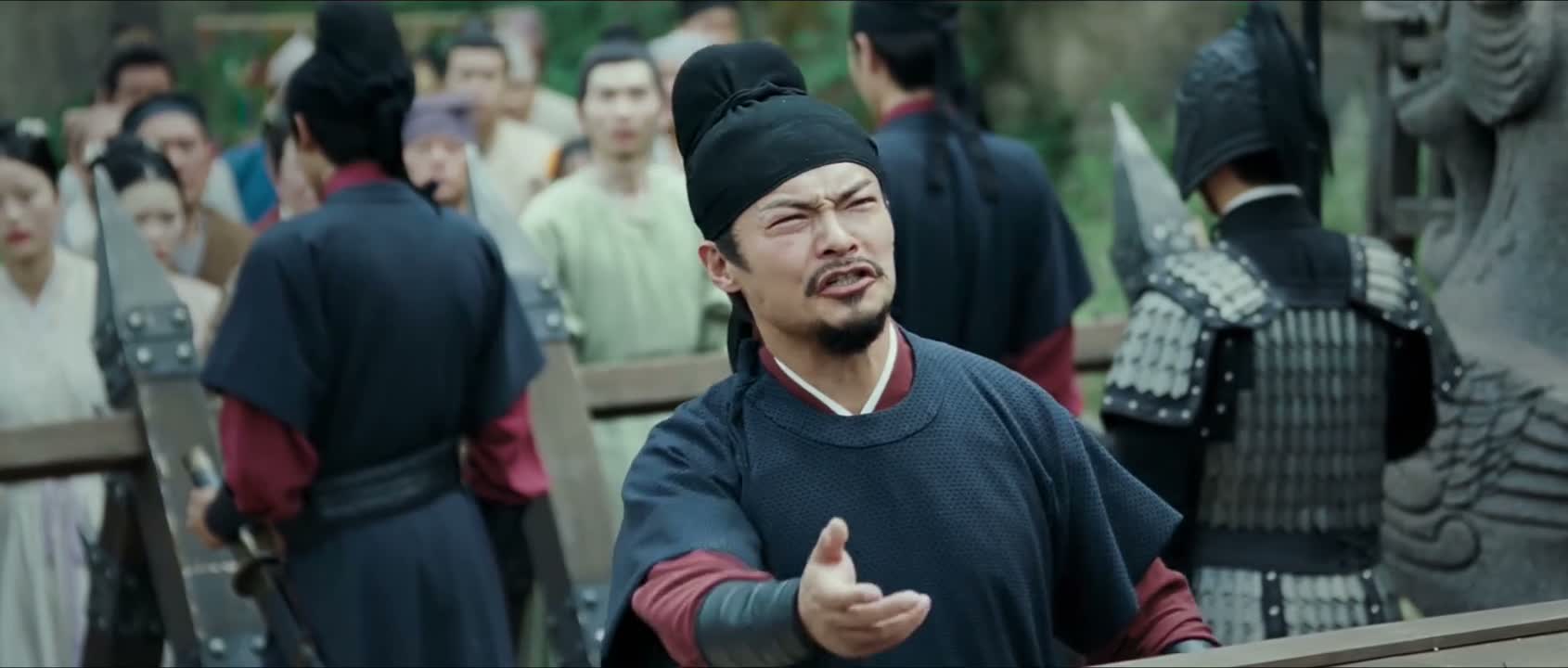
jué bù néng hán yuān ér wáng a

绝不能含冤而亡啊

“(But we cannot die under a false charge!)”

《The First Jasmine》 S1·E4
TIMECODE: 12:02 · 1080P MASTER AUDIO

THE DIALOGUE REEL

1+1+1 SPOKEN CONTINUITY
[-1] PREVIOUS TURN hēi yún qí méi yǒu móu fǎn shào jiàng jūn wǒ men hēi yún qí kě yǐ zhàn sǐ shā chǎng

黑云骑没有谋反 少将军 我们黑云骑可以战死沙场

“(The Heiyun Cavalry never rebelled!) (General!) (We can gladly die for our country.)”

jué bù néng hán yuān ér wáng a CURRENT FOCUS

绝不能 含冤而亡 啊

“(But we cannot die under a false charge!)”

[+1] FOLLOW-UP TURN fǎn zéi dǎ sǐ nǐ gè wù guó zéi wù guó zéi dǎ sǐ nǐ

“(- Traitor! - Die, you traitor!) (Traitor!) (Kill him!)”

Subtitles synced to millisecond timecode Browse Show Clips →
Scene: Crisis & Conflict
Function: DESPERATE PLEA
Tone: ANGUISHED AND IMPASSIONED
Emotion: DESPAIR
WHAT THEY REALLY MEAN (PRAGMATIC SUBTEXT)

Direct spoken expression in this communicative setting.

💡 Cultural Insight: Wrongful Death and Honor (Hanyuan)

Dying with an uncleared name ('hanyuan') is considered in Chinese culture a spiritual tragedy worse than physical death, as clearing one's reputation posthumously is paramount.

INTENT TAGS: #pleading_innocence #protesting_injustice #anguish
🧩

LEARNING CHUNKS & PARTICLES

2 CHUNKS · 1 PARTICLES
绝不能 SPOKEN CHUNK

must absolutely not; under no circumstances can

Used to express an emphatic prohibition or an unacceptable moral outcome.

含冤而亡 SPOKEN CHUNK

to die harboring an unredressed grievance; die falsely accused

A dramatic, literary four-character expression commonly heard in historical and legal dramas regarding wrongful execution.

Modal Particle「啊」 (a) CHANGE OF STATE

Heightens emotional intensity and urgency in an impassioned plea.
🏮

VOCABULARY & EXPRESSIONS

2 EXPR · 0 GRAMMAR
CROSS-CINEMA CORPUS BOARD · PARALLEL SCENES

Parallel Spoken Cinema Scenes (语义近邻切片)

EXPLORE BY SEMANTIC SIMILARITY
《The First Jasmine》 S1·E4 (12:02) · Authentic Cinema Dialogue Corpus