如今 朕已然明白过来
“Now, I've come to understand”
THE DIALOGUE REEL
往事不提
“What's done is done.”
如今 朕已然 明白过来
“Now, I've come to understand”
堂兄你远赴碎雪关
“that you traveled to Suixue Pass”
“I finally see your loyalty and regret doubting you back then.”
Emperors in historical China rarely said 'sorry' outright; instead, admitting to having 'come to understand' serves as a profound imperial gesture of remorse and reconciliation.
LEARNING CHUNKS & PARTICLES
to come to understand; to realize after confusion
Used when someone has a moment of epiphany or finally grasps the underlying reality of a situation.
already; have arrived at a state
A literary or formal equivalent of '已经', commonly found in formal writing or historical dramas.
VOCABULARY & EXPRESSIONS
Parallel Spoken Cinema Scenes (语义近邻切片)

“now I finally get it.”
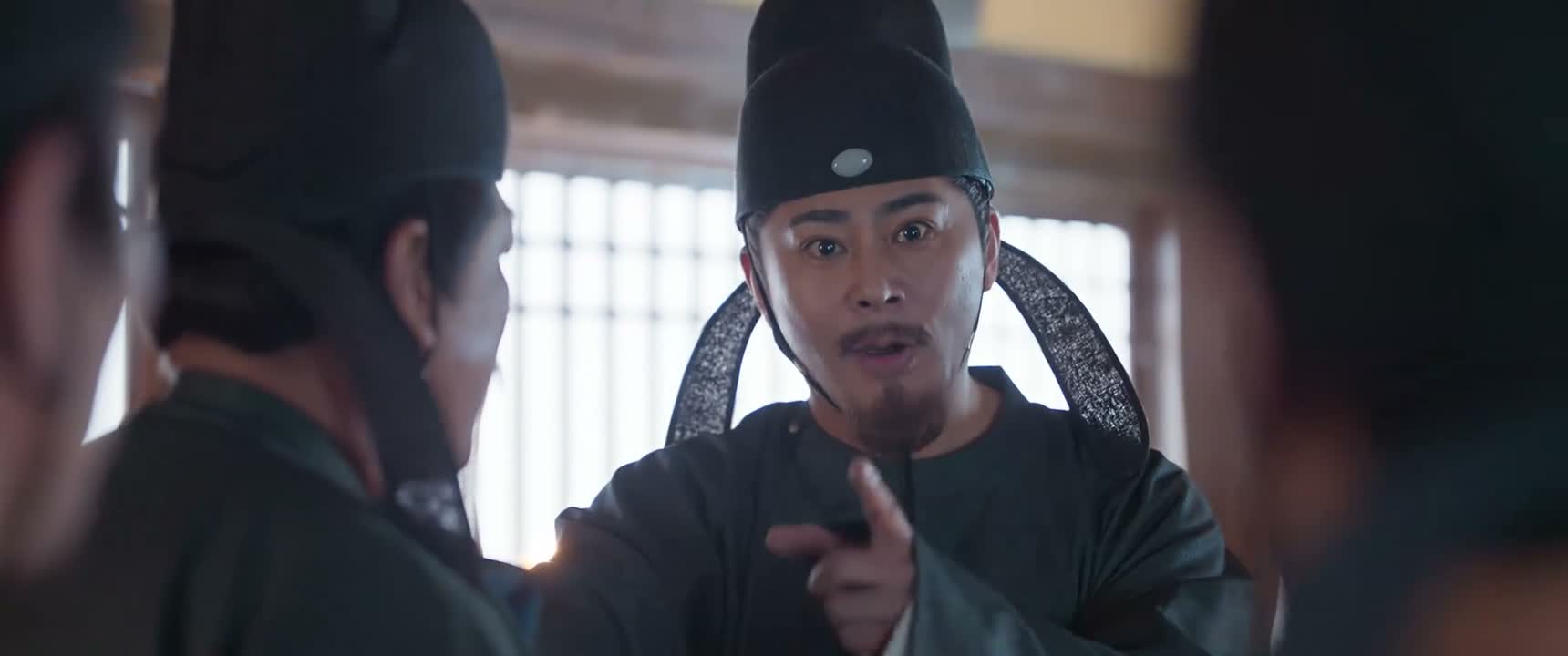
“I see what this is now.”

“Now I finally understand.”

“But now I have fully realized my mistake.”