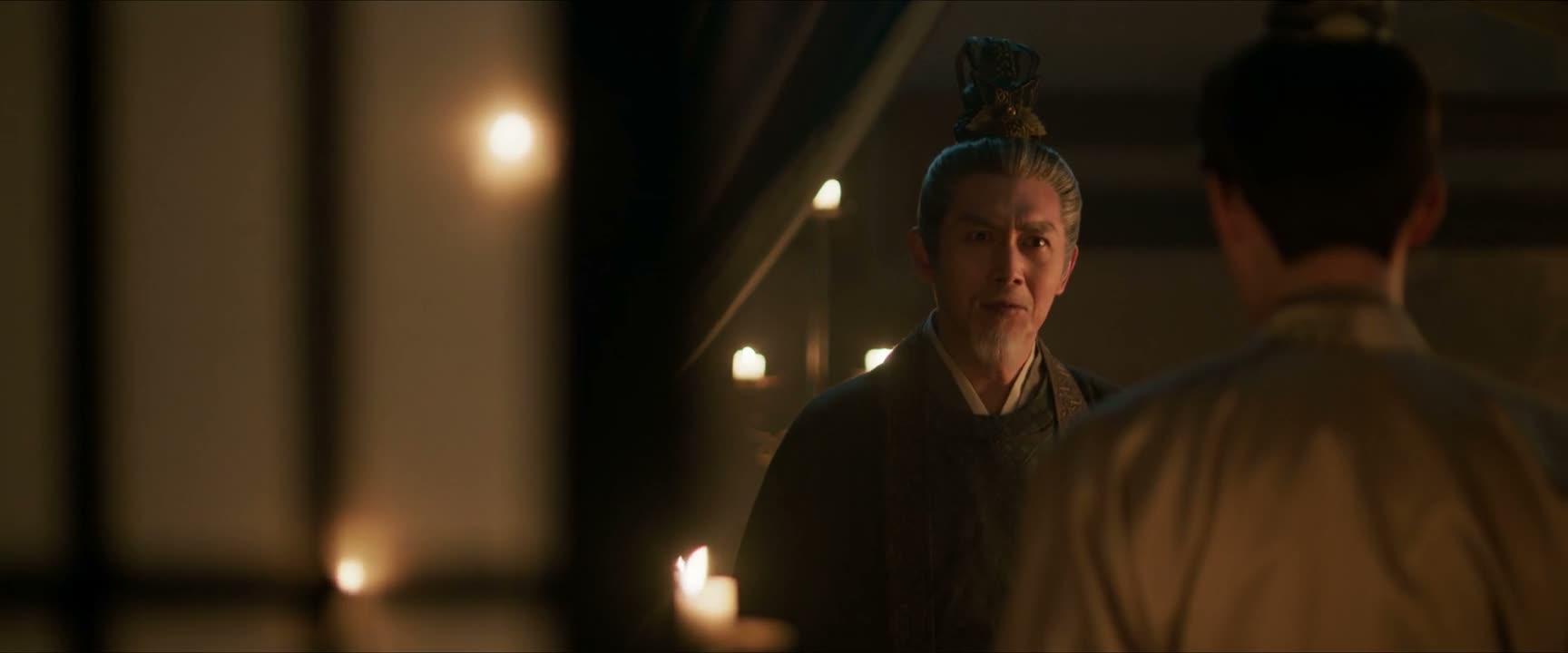
《Road to Success》 S1·E11 (31:53)
HSK 2
yé yé nà nín jì de tā jiào shén me ma
爷爷 那您记得他叫什么吗
“Sir, do you remember his name?”
《Road to Success》
S1·E11
TIMECODE: 31:53
·
1080P MASTER AUDIO
THE DIALOGUE REEL
[-1] PREVIOUS TURN
wǒ jiù hún hún è è dì shōu xià le
“So I just accepted them in a daze.”
yé yé nà nín jì de tā jiào shén me ma
CURRENT FOCUS
爷爷 那您 记得他叫什么 吗
“Sir, do you remember his name?”
Subtitles synced to millisecond timecode
Browse Show Clips →
Scene:
Family & Home
Function:
SEEKING INFORMATION
Tone:
POLITE
Emotion:
CURIOSITY
WHAT THEY REALLY MEAN (PRAGMATIC SUBTEXT)
Direct spoken expression in this communicative setting.
💡 Cultural Insight: Honorific Addressing of Elders
Using the honorific pronoun '您' (nin) alongside familial titles like '爷爷' (grandfather) is essential in Chinese culture to demonstrate filial piety and respect.
INTENT TAGS:
#inquiry
#clarification
#respectful_questioning
#information_gathering
🧩
2 CHUNKS · 1 PARTICLES
LEARNING CHUNKS & PARTICLES
您记得
SPOKEN CHUNK
do you remember (honorific)
Use '您记得' when asking an elder or senior if they recall a detail, showing proper respect.
叫什么
SPOKEN CHUNK
what is called / what is the name
A natural spoken phrase for asking a person's or object's name.
Modal Particle「吗」 (ma)
CHANGE OF STATE
Transforms the statement into a standard yes-no polar question.
🏮
1 EXPR · 0 GRAMMAR
VOCABULARY & EXPRESSIONS
COLLOQUIAL EXPRESSIONS:
CROSS-CINEMA CORPUS BOARD · PARALLEL SCENES
EXPLORE BY SEMANTIC SIMILARITY
Parallel Spoken Cinema Scenes (语义近邻切片)
《Road to Success》 S1·E11 (31:53) · Authentic Cinema Dialogue Corpus