MC
MandarinClips Cinema Corpus
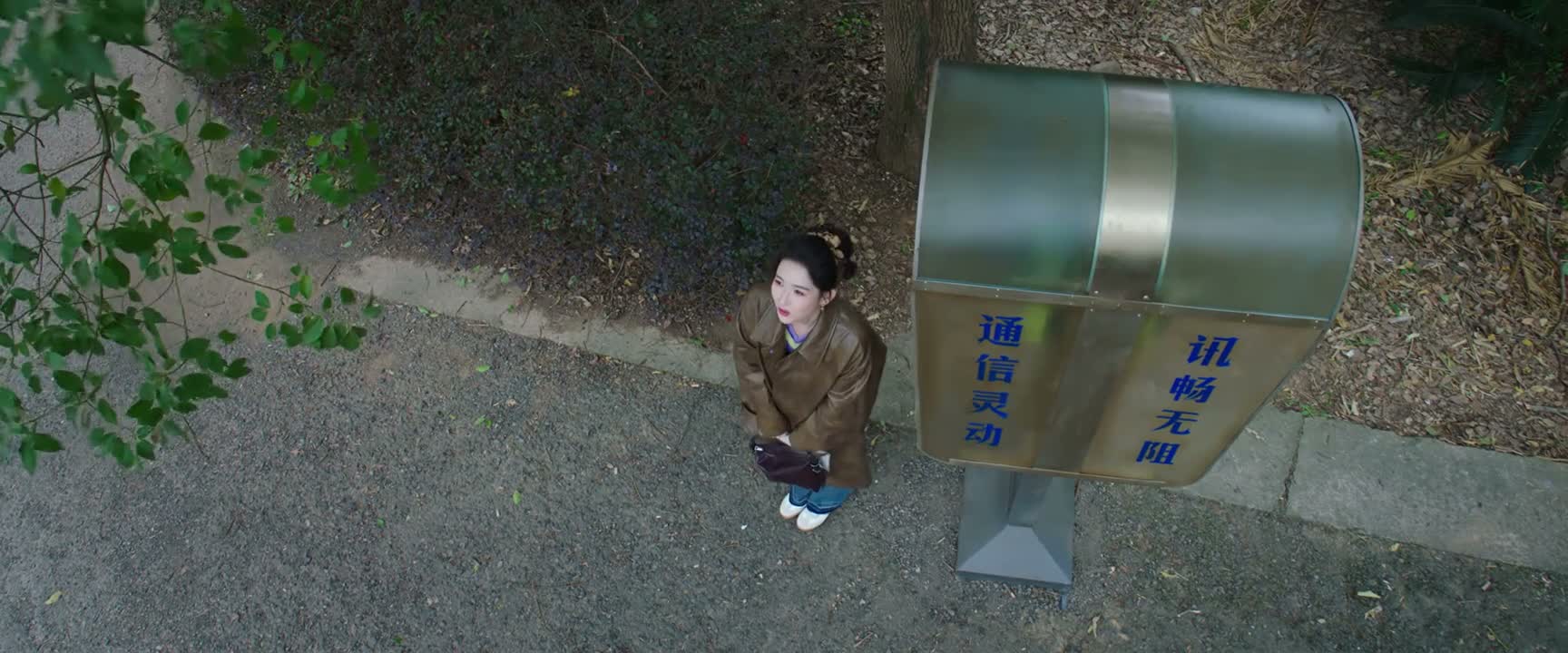
《Dog Man》 S1·E7 (05:03) HSK 7
wǒ bài tuō nǐ kě yǐ bú yào zhè yàng ma ?

我拜托你 可以不要这样吗?

“Please, don't be like this.”

《Dog Man》 S1·E7
TIMECODE: 05:03 · 1080P MASTER AUDIO

THE DIALOGUE REEL

1+1+1 SPOKEN CONTINUITY
[-1] PREVIOUS TURN bú yào zài gēn zhe wǒ wǒ bù xiǎng zài jiàn dào nǐ

不要再跟着我 我不想再见到你

“Leave me alone. I don't want to see you.”

wǒ bài tuō nǐ kě yǐ bú yào zhè yàng ma ? CURRENT FOCUS

我拜托你 可以 不要这样 吗?

“Please, don't be like this.”

[+1] FOLLOW-UP TURN wǒ zhēn de bú shì gù yì de

我真的不是故意的

“I really didn't mean to hurt you.”

Subtitles synced to millisecond timecode Browse Show Clips →
Scene: Crisis & Conflict
Function: PLEADING REFUSAL
Tone: EXASPERATED
Emotion: FRUSTRATION
WHAT THEY REALLY MEAN (PRAGMATIC SUBTEXT)
“Back off and stop harassing me, you are driving me crazy.”
💡 Cultural Insight: Exasperated Softening

Phrasing severe rejection as an emotional plea ('I beg you, could you not...') is a characteristic way Mandarin speakers express peak boundary violation when direct orders have failed.

INTENT TAGS: #boundary_setting #pleading #rejection #exasperation
🧩

LEARNING CHUNKS & PARTICLES

2 CHUNKS · 1 PARTICLES
我拜托你 SPOKEN CHUNK

I beg you; please, for heaven's sake

Used colloquially not as an actual humble request, but as an exasperated exclamation to urge someone to stop doing something annoying.

可以不要…吗 SPOKEN CHUNK

could you please not...

A common rhetorical request frame used to express strong disapproval while outwardly phrased as a polite question.

Modal Particle「吗」 (ma) CHANGE OF STATE

Converts the statement into a rhetorical question, softening the command into an exasperated appeal.

🏮

VOCABULARY & EXPRESSIONS

3 EXPR · 0 GRAMMAR
CROSS-CINEMA CORPUS BOARD · PARALLEL SCENES

Parallel Spoken Cinema Scenes (语义近邻切片)

EXPLORE BY SEMANTIC SIMILARITY
《Dog Man》 S1·E7 (05:03) · Authentic Cinema Dialogue Corpus