MC
MandarinClips Cinema Corpus
《The First Jasmine》 S1·E16 (20:36) HSK 6
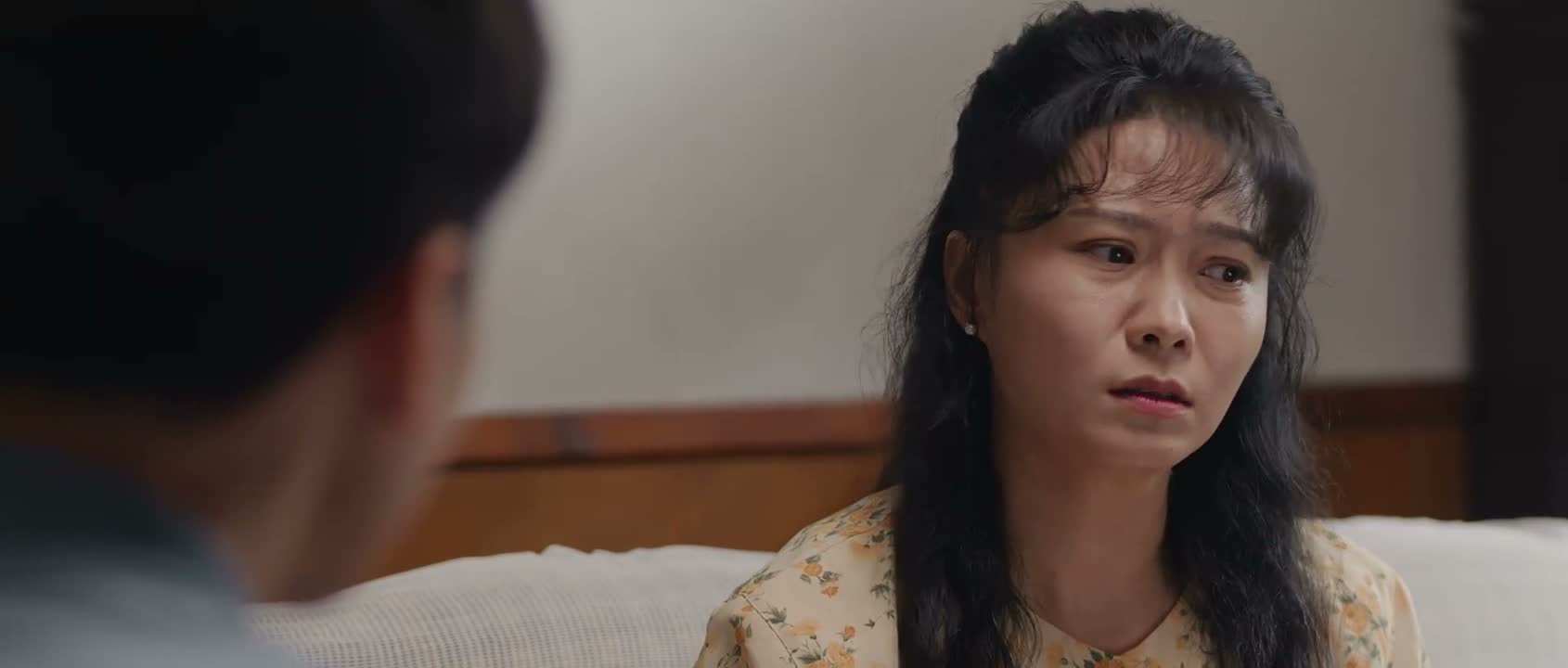
nán dào jiù bù rèn tóng nǐ xiōng dì a

难道就不认同你兄弟啊

“do you really not acknowledge your brother?”

《The First Jasmine》 S1·E16
TIMECODE: 20:36 · 1080P MASTER AUDIO

THE DIALOGUE REEL

1+1+1 SPOKEN CONTINUITY
[-1] PREVIOUS TURN nǐ nà me jìng wèi nǐ ā yé

你那么敬畏你阿爷

“Since you hold your father in awe,”

nán dào jiù bù rèn tóng nǐ xiōng dì a CURRENT FOCUS

难道就不 认同你 兄弟 啊

“do you really not acknowledge your brother?”

[+1] FOLLOW-UP TURN xíng le nǐ gàn bù liǎo yě ràng tā gàn bù liǎo chéng le ba

行了 你干不了 也让他干不了 成了吧

“Fine! If you don't do it, he won't do it either. Happy?”

Subtitles synced to millisecond timecode Browse Show Clips →
Scene: Crisis & Conflict
Function: CHALLENGING LOYALTY
Tone: CONFRONTATIONAL
Emotion: FRUSTRATION
WHAT THEY REALLY MEAN (PRAGMATIC SUBTEXT)
“You respect your father so much, but you can't even stand by your own brother?”
💡 Cultural Insight: Brotherly Obligation (兄弟之义)

In Chinese family ethics, solidarity between brothers is expected to complement filial piety; ignoring a brother while serving a parent is seen as flawed character.

INTENT TAGS: #confrontation #guilt_tripping #challenging #questioning
🧩

LEARNING CHUNKS & PARTICLES

2 CHUNKS · 1 PARTICLES
难道 SPOKEN CHUNK

could it be that...; do you mean to say...

Used at the start of a rhetorical question to express strong disbelief or challenge an assumption.

认同 SPOKEN CHUNK

to recognize; to approve of; to identify with

Formal or semi-formal verb used here to question validation and emotional alignment.

Modal Particle「啊」 (a) CHANGE OF STATE

Intensifies the rhetorical challenge and emotional urgency at the end of the question.
🏮

VOCABULARY & EXPRESSIONS

2 EXPR · 0 GRAMMAR
CROSS-CINEMA CORPUS BOARD · PARALLEL SCENES

Parallel Spoken Cinema Scenes (语义近邻切片)

EXPLORE BY SEMANTIC SIMILARITY
《The First Jasmine》 S1·E16 (20:36) · Authentic Cinema Dialogue Corpus