不想住招待所也行嘛 我伙计在端履门有个楼房
“You don't have to stay at the guesthouse. My buddy has an apartment in Duanlyumen.”
THE DIALOGUE REEL
换个说法嘛
“I'll rephrase that.”
不想 住 招待 所 也行 嘛 我伙计在端履门有个楼房
“You don't have to stay at the guesthouse. My buddy has an apartment in Duanlyumen.”
离这儿近得很 这屋里就有厕所 山里来的 苦惯了
“It's very close to here. It even has an indoor bathroom. Mountain folks are used to hardship.”
Direct spoken expression in this communicative setting.
In traditional urban China, leveraging personal connections (buddies, acquaintances) was a common way to solve basic needs like lodging comfortably without formal hotel arrangements.
LEARNING CHUNKS & PARTICLES
that's also fine / acceptable
Used to show flexibility and ease when agreeing to an alternative preference.
my buddy / my friend
A regional or colloquial spoken term commonly used in northern/northwestern China to refer to close friends or peers.
Softens the agreement and indicates that accommodating the request is not a problem.
VOCABULARY & EXPRESSIONS
Parallel Spoken Cinema Scenes (语义近邻切片)
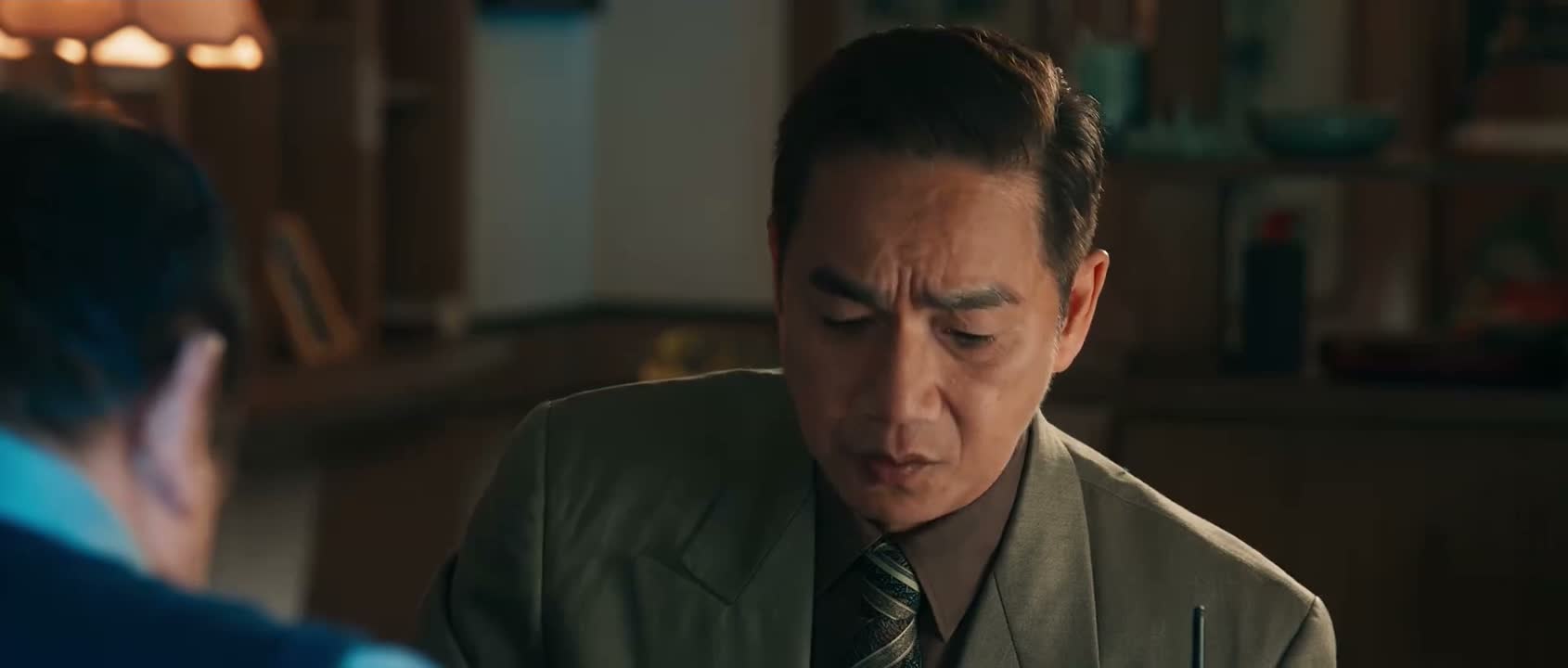
“I'm staying at that... What's it called? A guesthouse.”

“I'm still at the guesthouse. Same room as before.”

“You stay at the guesthouse for a few days.”

“Consider it our way to help the guesthouse solve a problem. But why should we?”

“Didn't we say we'd meet at the guesthouse?”

“Hotels are for short stays.”