你最好有日后
“You'd better hope you have a future.”
THE DIALOGUE REEL
挂到城门口暴尸
“and hang your corpse at the city gate!”
你 最好 有日后
“You'd better hope you have a future.”
不要伤我将军
“Don't hurt our General!”
“You think you have a future? I'm going to kill you before you ever get one.”
In Chinese historical drama conflicts, indirect conditional warnings like 'you'd better survive to see tomorrow' are classic dramatic tropes used to signal lethal intentions without shouting.
LEARNING CHUNKS & PARTICLES
had better; best to
Commonly used to give strong advice, but in hostile contexts it functions as an ominous warning.
in the days to come; in the future
A slightly formal or literary term referring to upcoming time or future occasions.
VOCABULARY & EXPRESSIONS
Parallel Spoken Cinema Scenes (语义近邻切片)

“In the future, if there's anything I can do for you,”
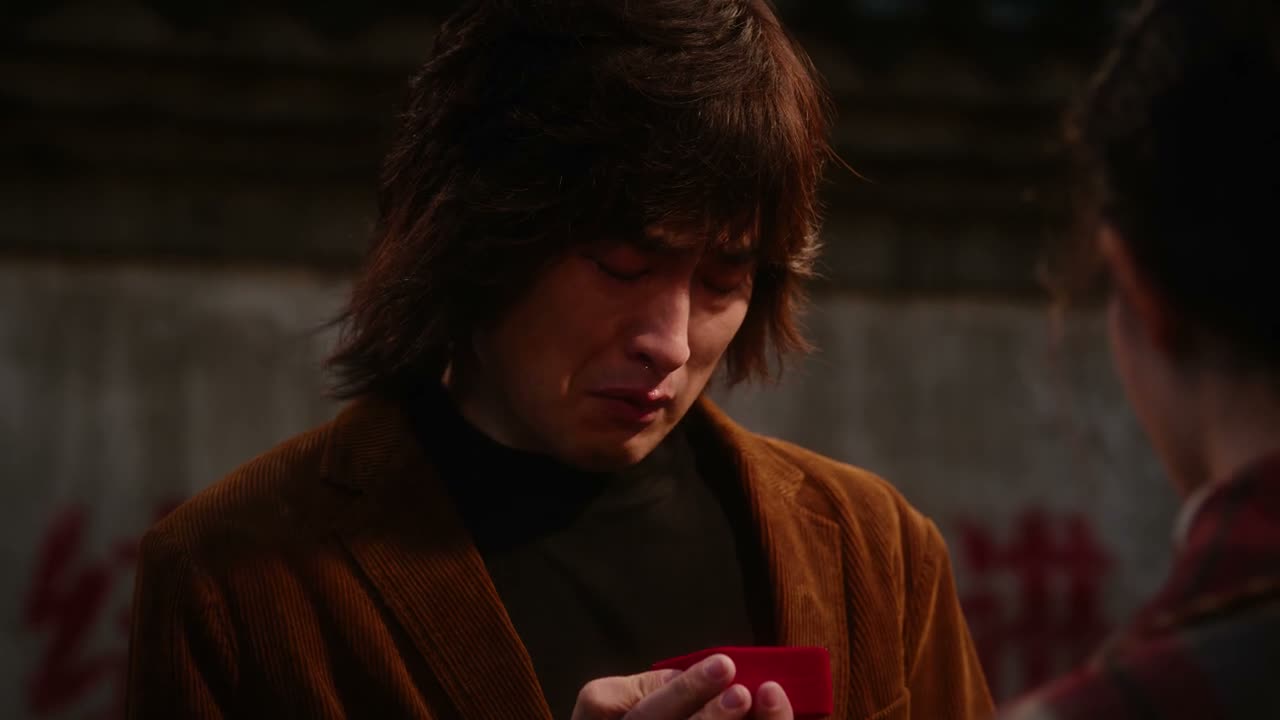
“I'll definitely buy you...”

“your life will be hard.”

“But you can rely on me from now on.”

“I need this from now on.”

“You really have to be careful.”