MC
MandarinClips Cinema Corpus
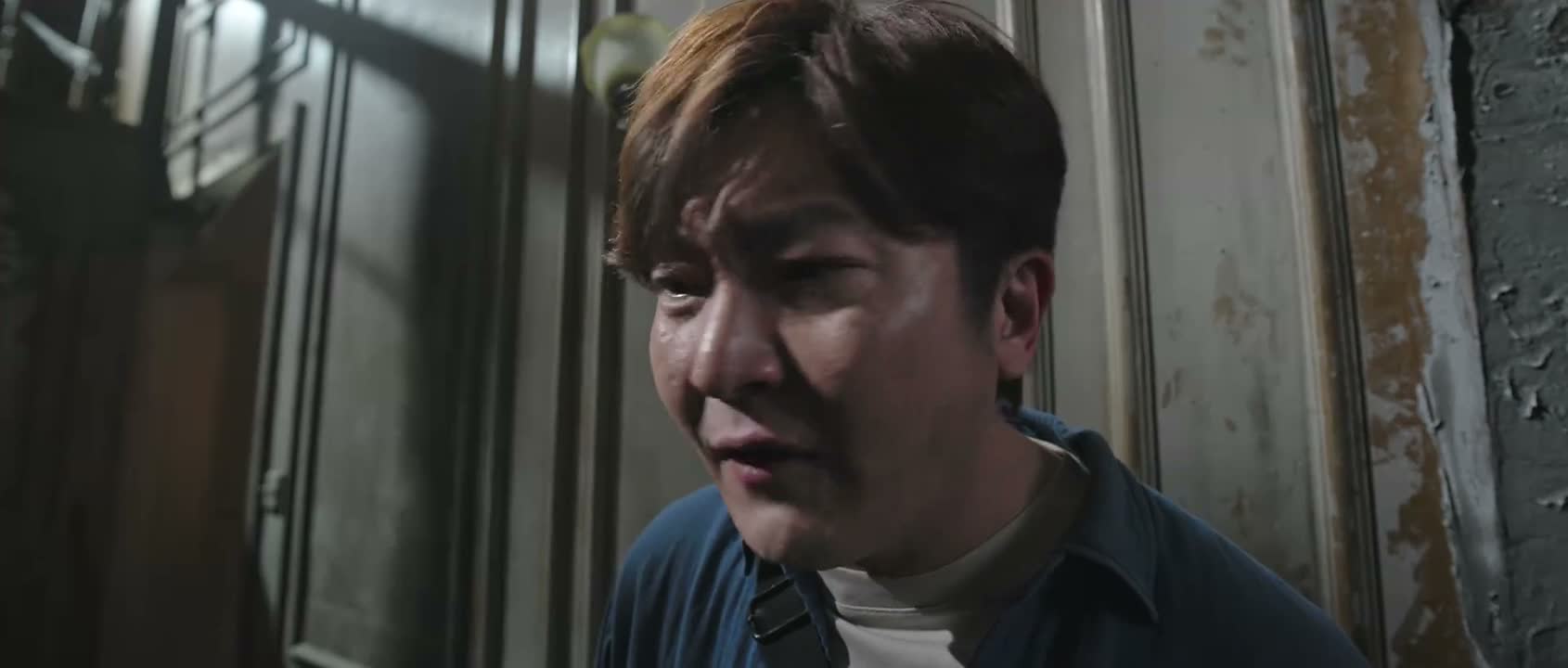
《The Knockout》 S1·E37 (07:54) HSK 6
gū jì shì xián wǒ tài bèn le ba

估计是嫌我太笨了吧

“Maybe he thinks I'm too stupid.”

《The Knockout》 S1·E37
TIMECODE: 07:54 · 1080P MASTER AUDIO

THE DIALOGUE REEL

1+1+1 SPOKEN CONTINUITY
[-1] PREVIOUS TURN dàn shì jù tǐ shén me nèi róng yě méi gēn wǒ jiǎng

但是具体什么内容 也没跟我讲

“But he didn't tell me about the details.”

gū jì shì xián wǒ tài bèn le ba CURRENT FOCUS

估计是 嫌我太笨 了 吧

“Maybe he thinks I'm too stupid.”

[+1] FOLLOW-UP TURN nǐ hái bèn

你还笨

“You're stupid?”

Subtitles synced to millisecond timecode Browse Show Clips →
Scene: Social & Dating
Function: SELF DEPRECATION
Tone: SELF-DEPRECATING
Emotion: AMUSEMENT
WHAT THEY REALLY MEAN (PRAGMATIC SUBTEXT)
“They probably didn't tell me because they think I can't handle it, or maybe they just wanted to protect me.”
💡 Cultural Insight: Modest Self-Deprecation (谦虚自贬)

In Chinese social interaction, humorously calling oneself slow or foolish is a natural face-protecting device that prompts conversational partners to offer immediate denial and compliments.

INTENT TAGS: #self_deprecation #hedging #rapport_building #speculation
🧩

LEARNING CHUNKS & PARTICLES

2 CHUNKS · 2 PARTICLES
估计是 SPOKEN CHUNK

presumably; most likely it is

Use this spoken formula at the start of a sentence when offering an educated guess or plausible hypothesis.

嫌我 SPOKEN CHUNK

dislike me for; find fault with me for

Commonly used when explaining someone's negative judgment or reluctance toward oneself.

Modal Particle「了」 (le) CHANGE OF STATE

Indicates a newly perceived state or consequence resulting from the situation.

Modal Particle「吧」 (ba) CHANGE OF STATE

Softens the assertion, marking the statement as an intuitive guess rather than a verified fact.

🏮

VOCABULARY & EXPRESSIONS

2 EXPR · 1 GRAMMAR
CROSS-CINEMA CORPUS BOARD · PARALLEL SCENES

Parallel Spoken Cinema Scenes (语义近邻切片)

EXPLORE BY SEMANTIC SIMILARITY
《The Knockout》 S1·E37 (07:54) · Authentic Cinema Dialogue Corpus