MC
MandarinClips Cinema Corpus
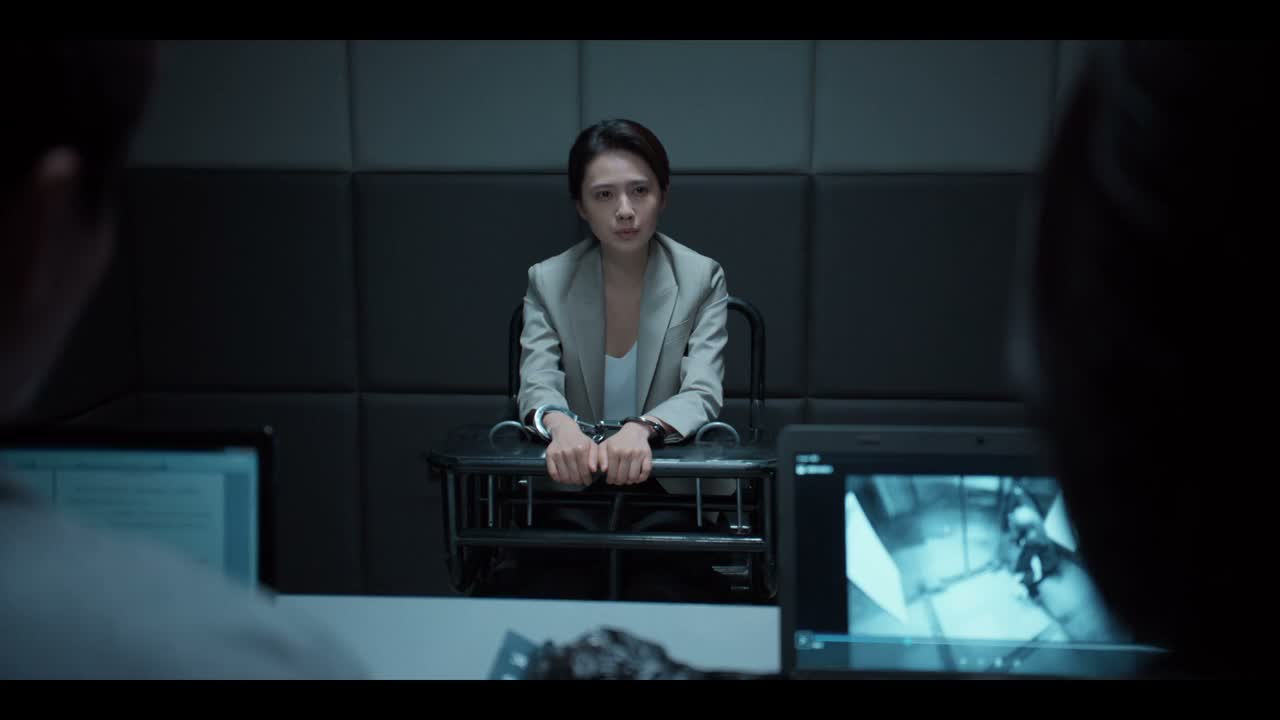
《Light to the Night》 S1·E27 (26:05) HSK 4
xú méng fù nǚ gēn wǒ yǒu shén me guān xì a ?

徐萌父女跟我有什么关系啊?

“Xu Meng and her father? What does that have to do with me?”

《Light to the Night》 S1·E27
TIMECODE: 26:05 · 1080P MASTER AUDIO

THE DIALOGUE REEL

1+1+1 SPOKEN CONTINUITY
[-1] PREVIOUS TURN shì xú méng fù nǚ de shī tǐ

是徐萌父女的尸体

“It was Xu Meng and her father.”

xú méng fù nǚ gēn wǒ yǒu shén me guān xì a ? CURRENT FOCUS

徐萌父女 跟我有什么关系 啊?

“Xu Meng and her father? What does that have to do with me?”

[+1] FOLLOW-UP TURN - tā men bú shì wú shān lóng hài sǐ de ma ? - xiǎo qiáo

“- Weren't they killed by Wu Shanlong? - Qiao,”

Subtitles synced to millisecond timecode Browse Show Clips →
Scene: Legal & Police
Function: DENYING INVOLVEMENT
Tone: DEFENSIVE
Emotion: DEFENSIVENESS
WHAT THEY REALLY MEAN (PRAGMATIC SUBTEXT)
“Leave me out of this, their deaths have nothing to do with me!”
💡 Cultural Insight: Rhetorical Self-Defense (甩锅与撇清)

Phrasing denials as rhetorical questions ('跟我有什么关系') is an emphatic conversational tactic in Chinese to push blame away and shut down suspicion.

INTENT TAGS: #denial #defensiveness #disclaimer #evasion
🧩

LEARNING CHUNKS & PARTICLES

2 CHUNKS · 1 PARTICLES
跟我有什么关系 SPOKEN CHUNK

what does it have to do with me?

A classic rhetorical question used to vehemently deny any involvement, responsibility, or interest in an issue.

父女 SPOKEN CHUNK

father and daughter

A concise compound noun frequently used in formal or narrative contexts to describe a father-daughter pair.

Modal Particle「啊」 (a) CHANGE OF STATE

Adds emotional intensity and defensiveness to the rhetorical question.

🏮

VOCABULARY & EXPRESSIONS

1 EXPR · 0 GRAMMAR
CROSS-CINEMA CORPUS BOARD · PARALLEL SCENES

Parallel Spoken Cinema Scenes (语义近邻切片)

EXPLORE BY SEMANTIC SIMILARITY
《Light to the Night》 S1·E27 (26:05) · Authentic Cinema Dialogue Corpus