- 他们不是吴山龙害死的吗? - 小乔
“- Weren't they killed by Wu Shanlong? - Qiao,”
THE DIALOGUE REEL
“Xu Meng and her father? What does that have to do with me?”
- 他们 不是 吴山龙 害死的 吗 ? - 小乔
“- Weren't they killed by Wu Shanlong? - Qiao,”
别再撒谎了
“stop lying.”
“Stop playing dumb, you know exactly who killed them.”
Calling out someone's name abruptly (such as 'Xiao Qiao') in a tense exchange functions as an urgent verbal brake to stop them from revealing too much or crossing a line.
LEARNING CHUNKS & PARTICLES
killed by / caused the death of
Uses 'hai' (harm/ruin) combined with 'si' (die) to attribute wrongful or murderous culpability.
isn't it the case that...?
A rhetorical question structure used to press a point or question an obvious contradiction.
Forms a rhetorical question that challenges the prior speaker's evasive claim.
VOCABULARY & EXPRESSIONS
Parallel Spoken Cinema Scenes (语义近邻切片)

“The main culprit, Wu Shanlong, is dead.”

“but I was afraid if Wu Shanlong got arrested,”

“Wu Shanlong. Are you taking me for a fool?”
“I killed Xu Zhihong, and I killed Wu Shanlong.”
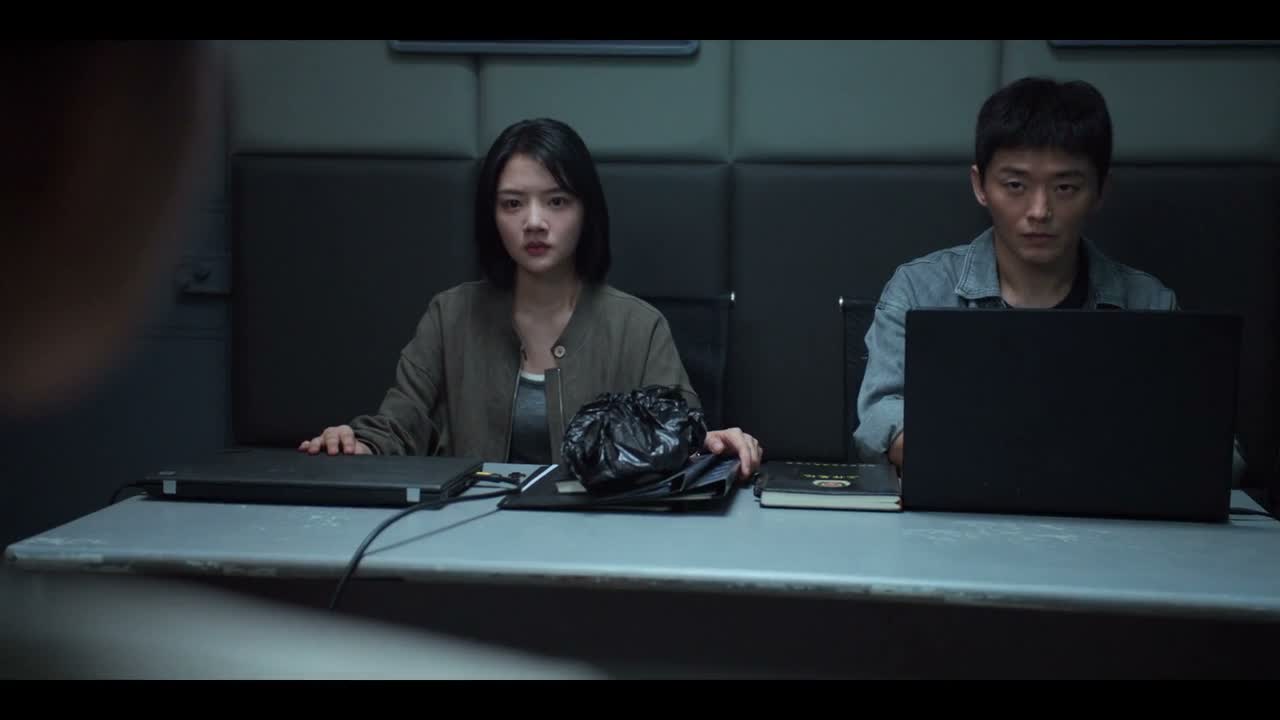
“Wu Shanlong was my accomplice.”
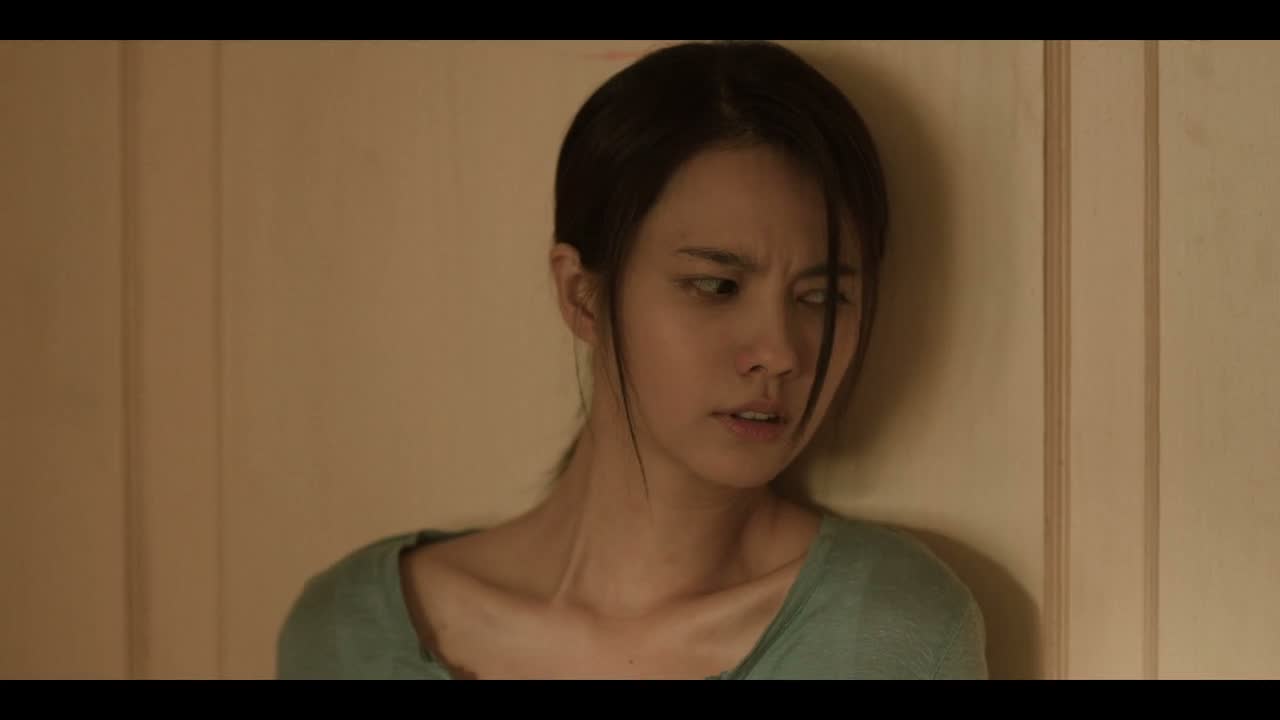
“I knew what kind of man Wu Shanlong was.”