以后我再也不要被抛弃
“I'd never be left behind again,”
THE DIALOGUE REEL
你们离开后我明明决定
“After you left, I swore”
以后我 再也不要 被抛弃
“I'd never be left behind again,”
“and I'd be the one who leaves first.”
“I was deeply hurt by being left behind, so I will hurt you before you can hurt me.”
Expressing an oath to proactively leave rather than be discarded reflects a common dramatic trope of defensive detachment after traumatic loss.
LEARNING CHUNKS & PARTICLES
never again want to
A strong negative construction used when expressing firm determination to avoid repeating a painful experience.
to be abandoned
A passive construction denoting the act of being forsaken or left behind in emotional or familial relationships.
VOCABULARY & EXPRESSIONS
Parallel Spoken Cinema Scenes (语义近邻切片)
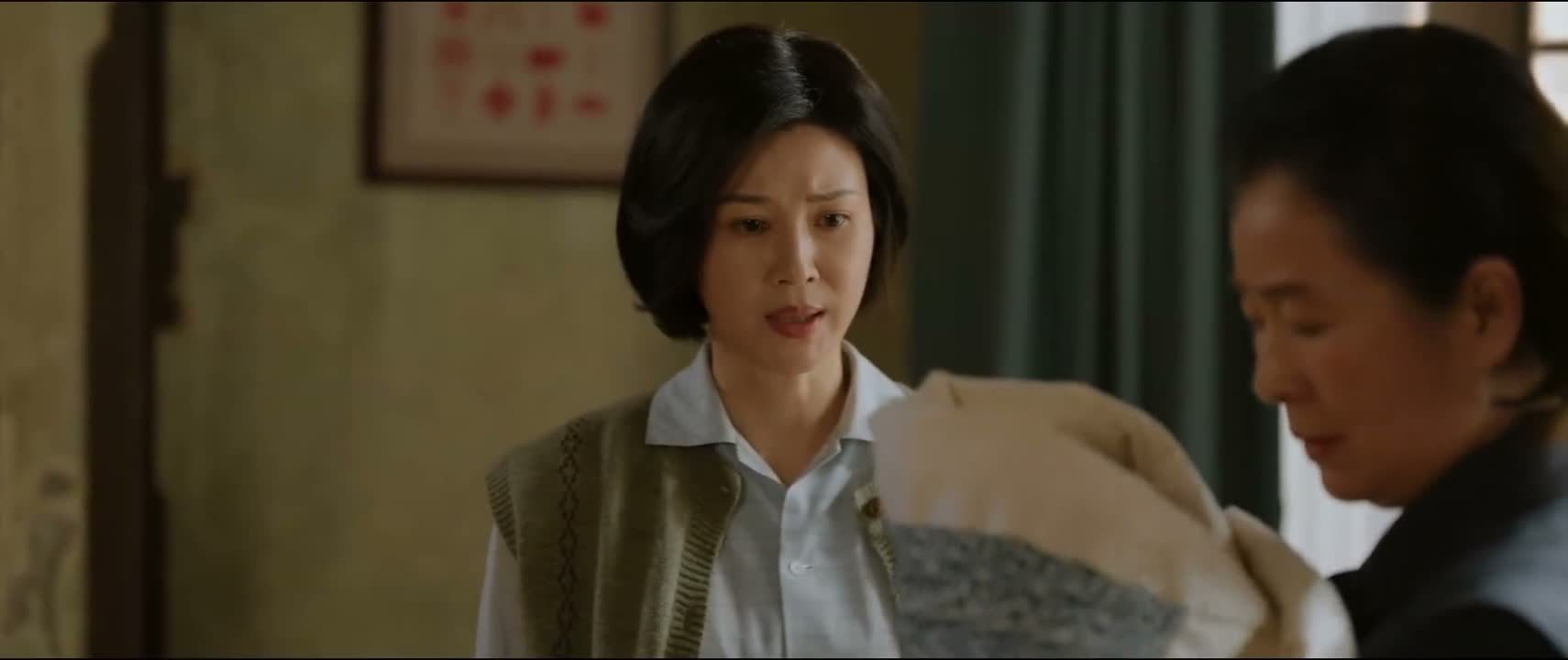
“she was abandoned? Exactly.”

“From now on, I can't put you guys at risk again.”

“Wangyan, don't leave me behind again.”

“♪ Still unhurt, I drink another grief with the moon ♪ From now on, you can't push me away again. ♪ I carve past years' bonds into the scroll of time ♪”