姐姐 你不要再撇下我了
“Wangyan, don't leave me behind again.”
THE DIALOGUE REEL
他会理解我的
“He'll understand me.”
姐姐 你不要 再 撇下我 了
“Wangyan, don't leave me behind again.”
不会了
“I won't.”
Direct spoken expression in this communicative setting.
In Chinese familial culture, older sisters often assume maternal responsibilities, making separation deeply emotional for younger siblings.
LEARNING CHUNKS & PARTICLES
to leave behind; to abandon
Colloquial verb carrying strong emotional weight regarding being deserted or left alone.
do not ... anymore; stop doing
Used to firmly or pleadingly urge someone not to repeat a distressing action.
Functions with '不要再' to indicate the cessation of an ongoing or repeated behavior.
VOCABULARY & EXPRESSIONS
Parallel Spoken Cinema Scenes (语义近邻切片)

“Sister, don't leave me.”
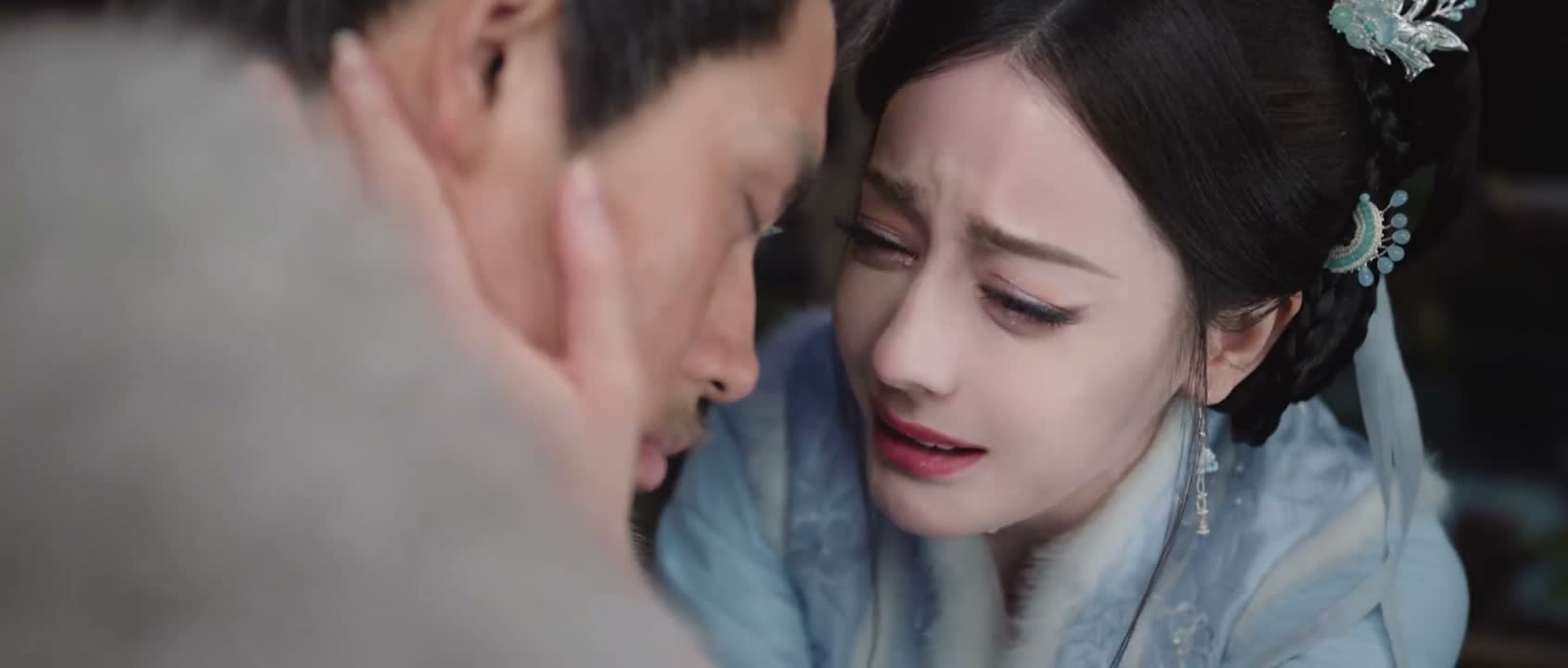
“Please don't leave me behind.”
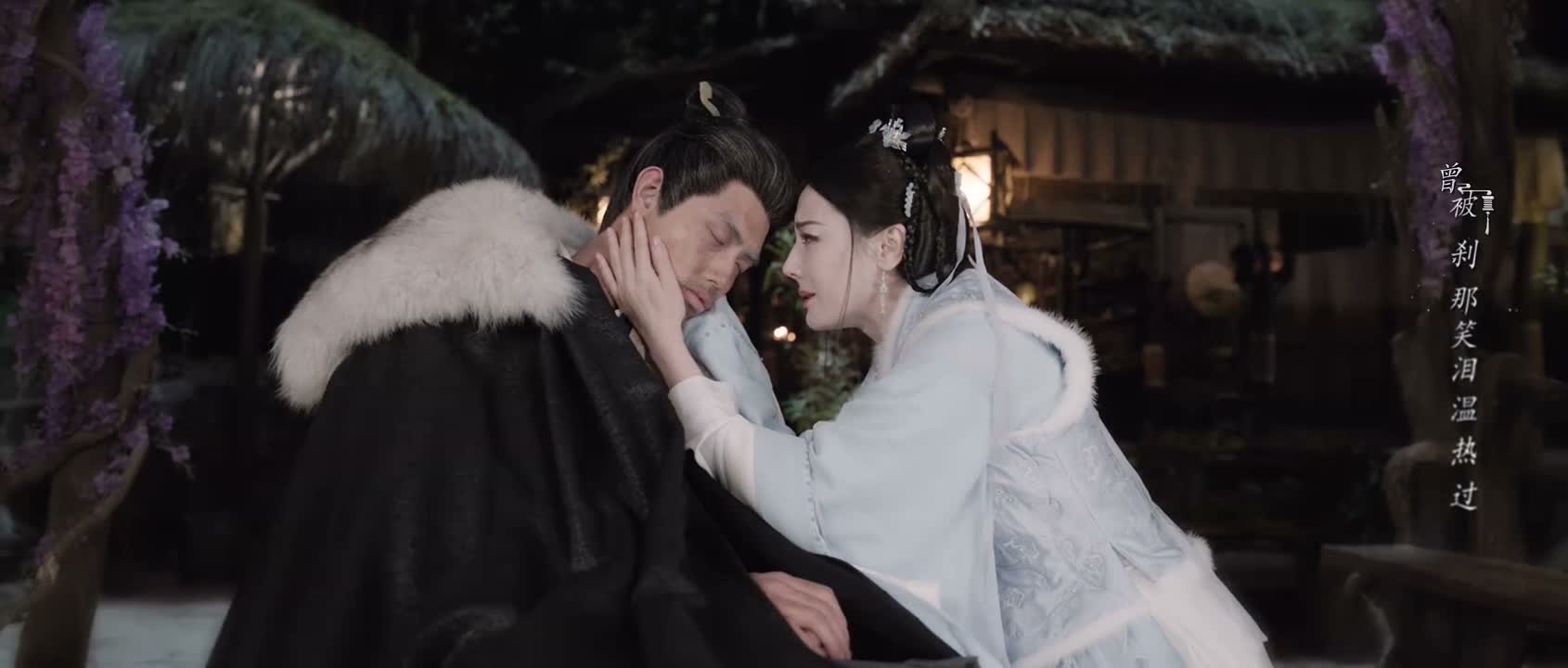
“Stay with me.”

“Don't leave me.”

“I'm not abandoning them, Uncle. Don't call me Uncle.”

“I'd never be left behind again,”