《Go Ahead》 S1·E32 (15:48)
HSK 2
wǒ zhǎng shén me yàng le wǒ dǎ shén me zhāo hū a
我长什么样了 我打什么招呼啊
“she remembers me. I would rather not do it.”
《Go Ahead》
S1·E32
TIMECODE: 15:48
·
1080P MASTER AUDIO
THE DIALOGUE REEL
[-1] PREVIOUS TURN
nà wǒ yě shì zhēn de yǒu máo bìng a tā mā gū jì dōu bú jì dé
“That would be weird. I don't think”
wǒ zhǎng shén me yàng le wǒ dǎ shén me zhāo hū a
CURRENT FOCUS
我 长什么样 了 我 打什么招呼 啊
“she remembers me. I would rather not do it.”
[+1] FOLLOW-UP TURN
yě shì ó
也是哦
“You're right.”
Subtitles synced to millisecond timecode
Browse Show Clips →
Scene:
Social & Dating
Function:
SELF MOCKERY
Tone:
SELF-DEPRECATING AND LIVELY
Emotion:
AMUSEMENT
WHAT THEY REALLY MEAN (PRAGMATIC SUBTEXT)
“There's no way he'd remember me after all these years, so why humiliate myself by trying to say hi?”
💡 Cultural Insight: Self-Deprecating Humor (Zichao)
Using rhetorical questions to laugh at one's own awkwardness or lack of presence is a common Chinese conversational tactic to ease social tension and entertain friends.
INTENT TAGS:
#self_mockery
#rationalization
#rhetorical_question
🧩
1 CHUNKS · 2 PARTICLES
LEARNING CHUNKS & PARTICLES
打什么招呼啊
SPOKEN CHUNK
why bother saying hello / no point in greeting
The rhetorical pattern 'Verb + 什么 + Noun + 啊' expresses dismissal, skepticism, or self-ridicule.
Modal Particle「了」 (le)
CHANGE OF STATE
Marks a completed change of state regarding the speaker's appearance over time.
Modal Particle「啊」 (a)
CHANGE OF STATE
Enhances the rhetorical, exasperated, and self-mocking tone of the question.
🏮
2 EXPR · 0 GRAMMAR
VOCABULARY & EXPRESSIONS
COLLOQUIAL EXPRESSIONS:
CROSS-CINEMA CORPUS BOARD · PARALLEL SCENES
EXPLORE BY SEMANTIC SIMILARITY
Parallel Spoken Cinema Scenes (语义近邻切片)
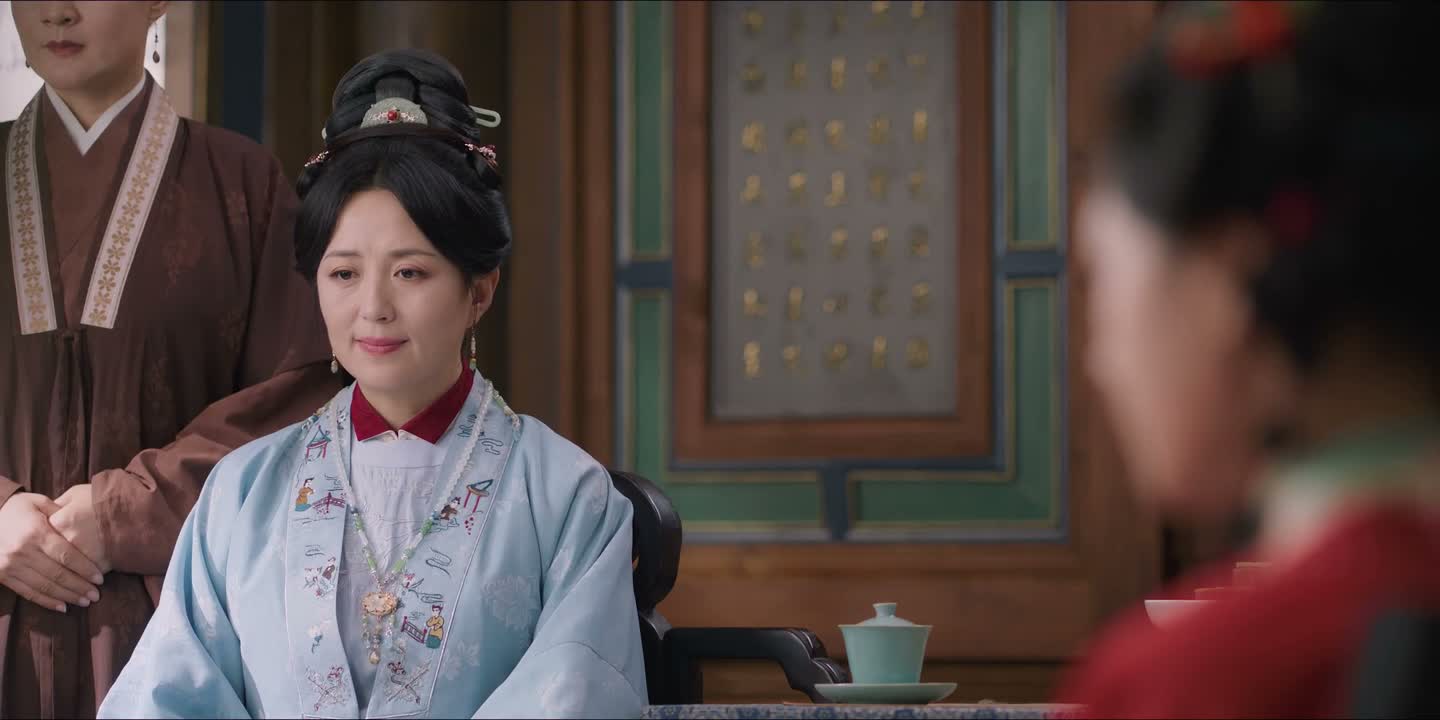
《Go Ahead》 S1·E32 (15:48) · Authentic Cinema Dialogue Corpus