那我也是真的有毛病啊 他妈估计都不记得
“That would be weird. I don't think”
THE DIALOGUE REEL
“so if you see her, don't forget to say hello, OK?”
那我 也是 真的有 毛病啊 他妈 估计 都 不记得
“That would be weird. I don't think”
“she remembers me. I would rather not do it.”
“Why should I embarrass myself greeting someone who doesn't even remember who I am?”
Older Chinese generations often emphasize greeting acquaintances as fundamental politeness ('li'), while younger generations may push back against greeting distant contacts.
LEARNING CHUNKS & PARTICLES
out of one's mind, crazy, or something wrong with someone
A common colloquial expression used to criticize unreasonable behavior or self-deprecatingly admit foolishness.
to greet someone, to say hello
The standard daily term for offering a polite greeting or checking in with an acquaintance.
Heightens the rhetorical, defensive tone of the utterance.
VOCABULARY & EXPRESSIONS
Parallel Spoken Cinema Scenes (语义近邻切片)

“I really did remember it wrong? Your memory's not what it used to be.”
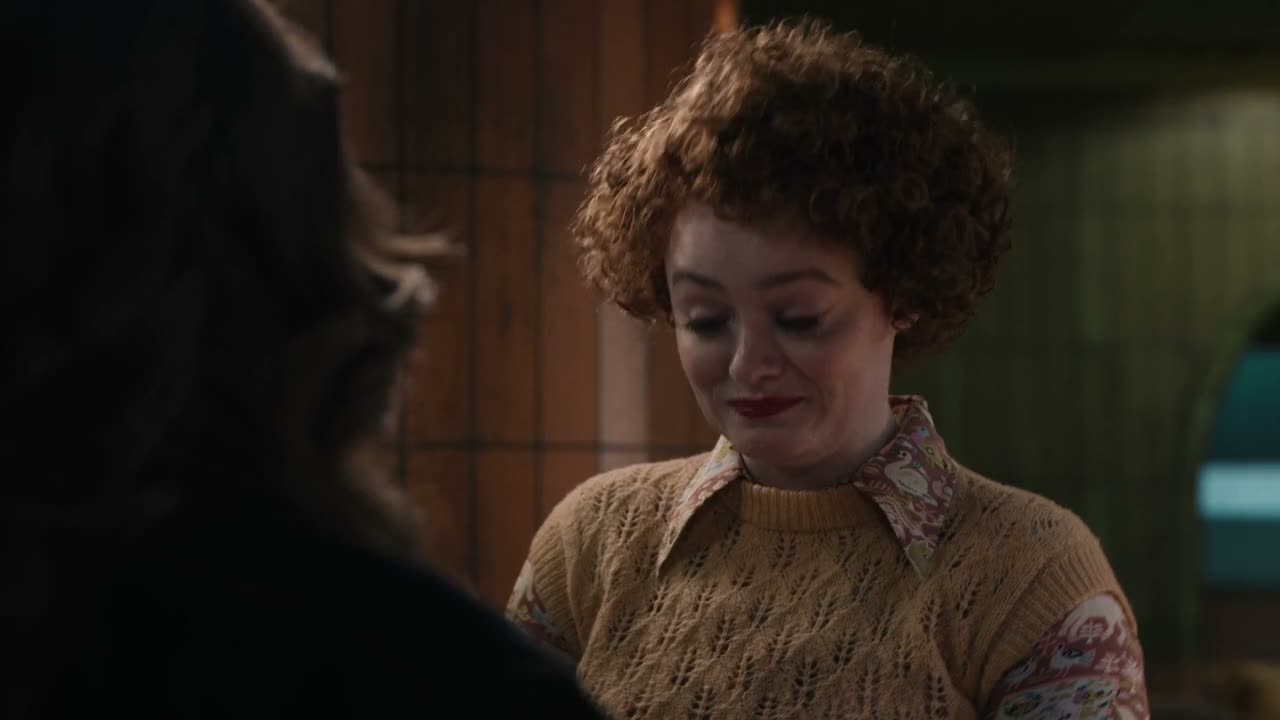
“Me too, which is the problem.”

“I was also careless,”

“My memory grows weaker.”
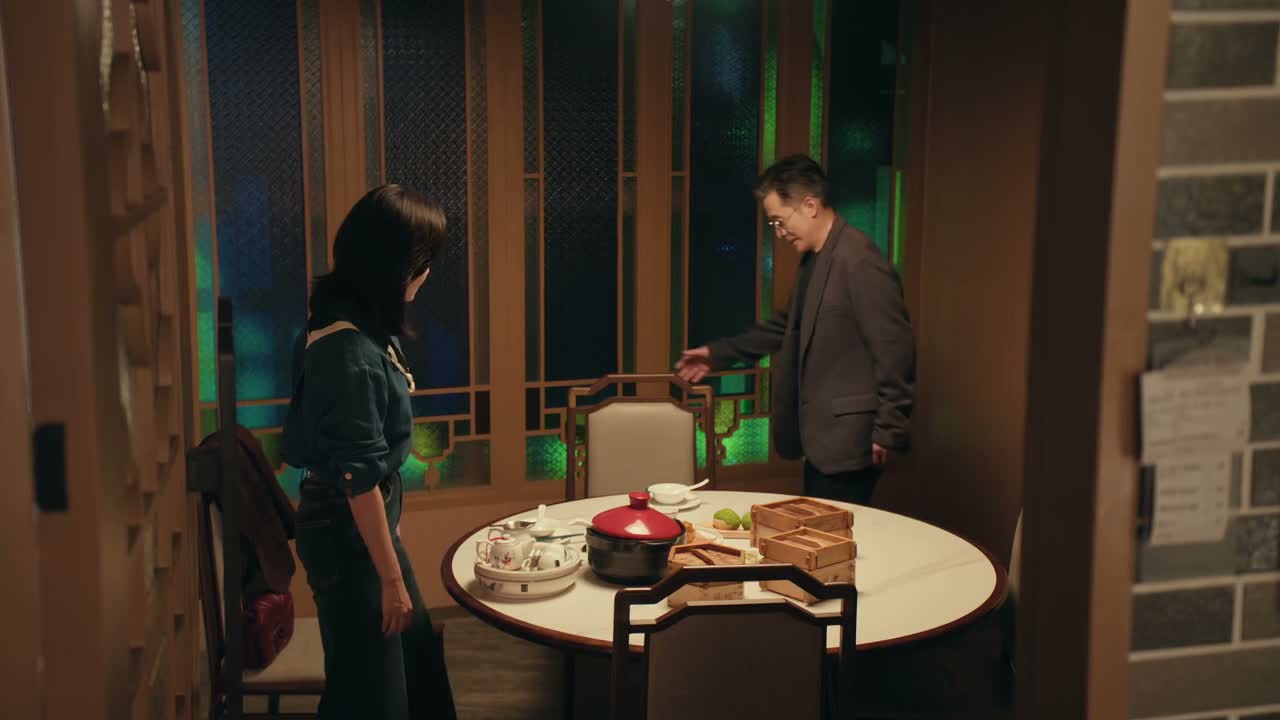
“Didn't you tell me it was an old ailment?”

“I really don't remember. I was already drunk then.”