你不跟我说老毛病吗
“Didn't you tell me it was an old ailment?”
THE DIALOGUE REEL
怎么了
“What's wrong?”
你 不跟 我说 老毛病 吗
“Didn't you tell me it was an old ailment?”
怎么瘦成这样
“How did you get so thin?”
“You lied to me saying it was nothing serious, and it breaks my heart to see how sick you actually are!”
In Chinese families and close relationships, people frequently disguise severe illnesses as minor 'old ailments' to spare their loved ones from anxiety and emotional burden.
LEARNING CHUNKS & PARTICLES
chronic ailment; old health problem; old habit
Commonly used in daily life either to refer to a recurring physical illness (like back pain) or a stubborn bad habit, often used to downplay a symptom.
tell me; say to me
The standard conversational structure for 'tell somebody' in everyday spoken Chinese.
Used in a negative question here to form a rhetorical challenge, expressing shock and disbelief that the previous claim does not match reality.
VOCABULARY & EXPRESSIONS
Parallel Spoken Cinema Scenes (语义近邻切片)
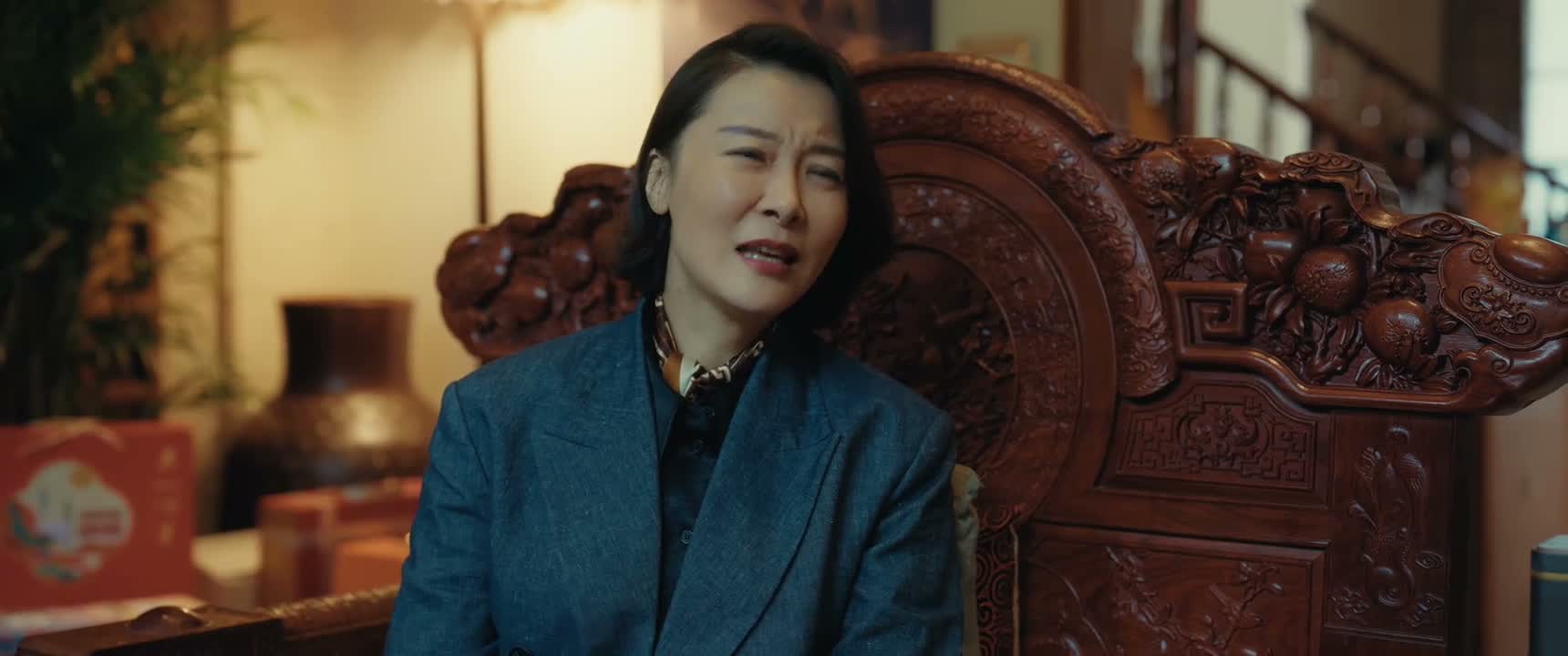
“why can't you break your old habits?”
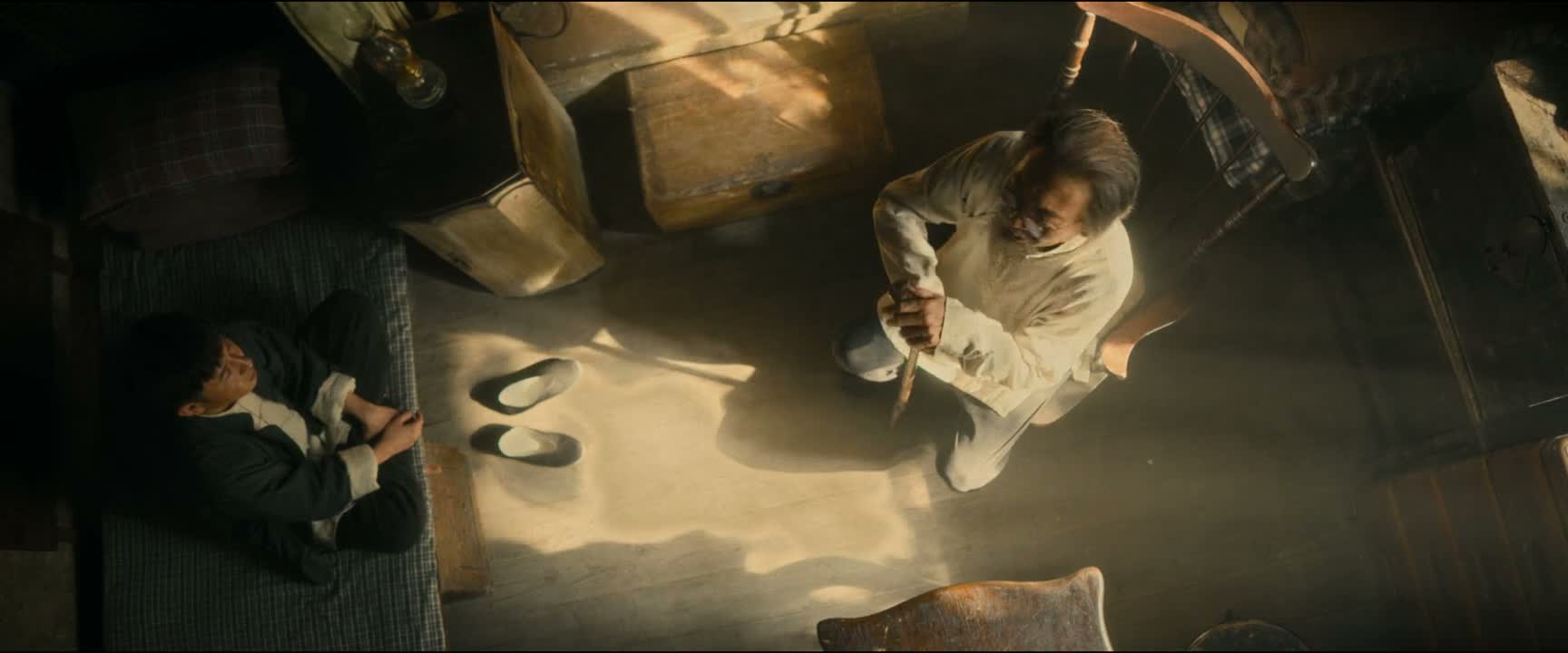
“My old habit flared up again.”

“Old issue, I'm fine.”
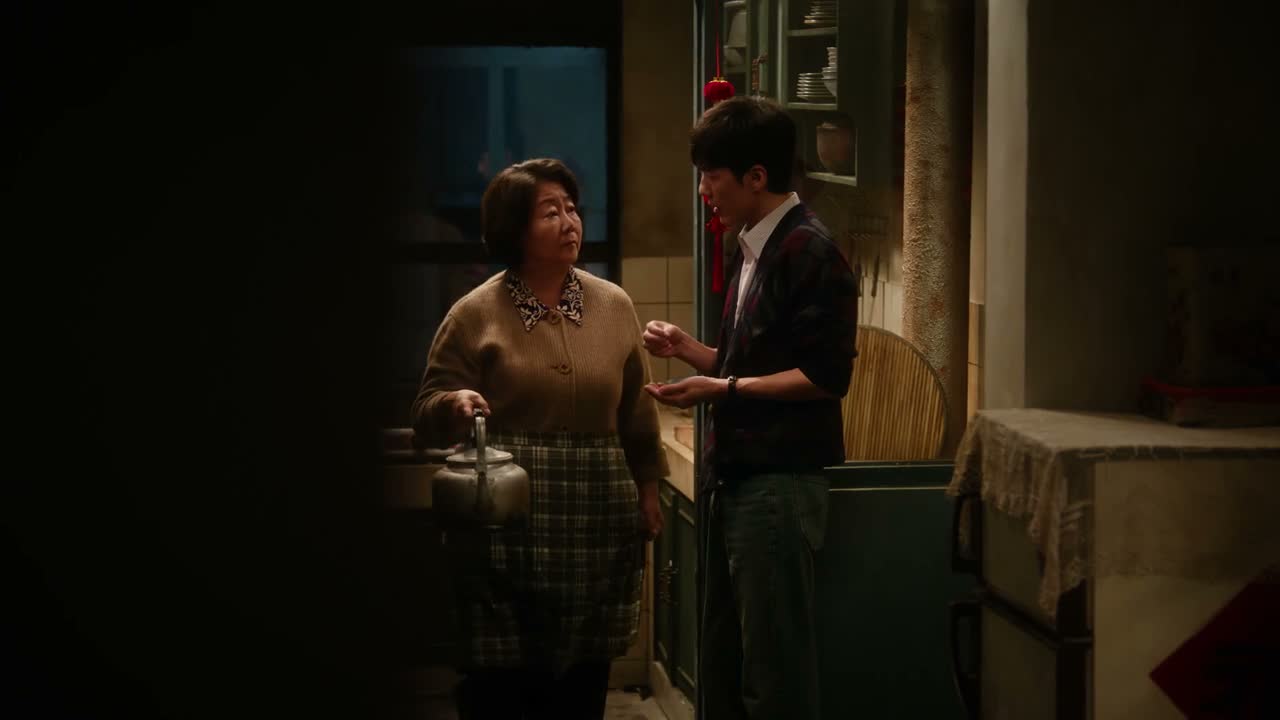
“how is Dad's old condition?”

“Do you think I've got some serious illness?”

“Why do you keep bringing this up?”