《Born to Be Alive》 S1·E11 (34:53)
HSK 1
lǎo máo bìng le méi shì
老毛病了 没事
“Old issue, I'm fine.”
《Born to Be Alive》
S1·E11
TIMECODE: 34:53
·
1080P MASTER AUDIO
THE DIALOGUE REEL
[-1] PREVIOUS TURN
jiù shuō nǐ bù gāi zhè me kuài jìn shān shēn tǐ tài xū le
就说你 不该这么快进山 身体太虚了
“You are too weak to come here so soon.”
lǎo máo bìng le méi shì
CURRENT FOCUS
老毛病 了 没事
“Old issue, I'm fine.”
[+1] FOLLOW-UP TURN
tā men hái yào duō jiǔ
他们还要多久
“How long?”
Subtitles synced to millisecond timecode
Browse Show Clips →
Scene:
Medical & Health
Function:
REASSURANCE
Tone:
DISMISSIVE
Emotion:
CALMNESS
WHAT THEY REALLY MEAN (PRAGMATIC SUBTEXT)
“Do not fuss over me; I am used to this discomfort and can handle it.”
💡 Cultural Insight: Toughing It Out (Chiku)
In Chinese culture, people frequently downplay personal physical suffering to avoid inconveniencing companions or showing perceived weakness.
INTENT TAGS:
#reassurance
#minimizing
#stoicism
#comforting
🧩
2 CHUNKS · 1 PARTICLES
LEARNING CHUNKS & PARTICLES
老毛病
SPOKEN CHUNK
chronic problem / old ailment / recurring issue
Used to describe recurring health troubles or persistent bad habits in informal conversation.
没事
SPOKEN CHUNK
it is nothing / I am fine / no problem
A ubiquitous everyday phrase used to reassure others or waive away concern.
Modal Particle「了」 (le)
CHANGE OF STATE
Indicates a persistent state that has already formed and is familiar to the speaker.
🏮
2 EXPR · 0 GRAMMAR
VOCABULARY & EXPRESSIONS
COLLOQUIAL EXPRESSIONS:
CROSS-CINEMA CORPUS BOARD · PARALLEL SCENES
EXPLORE BY SEMANTIC SIMILARITY
Parallel Spoken Cinema Scenes (语义近邻切片)
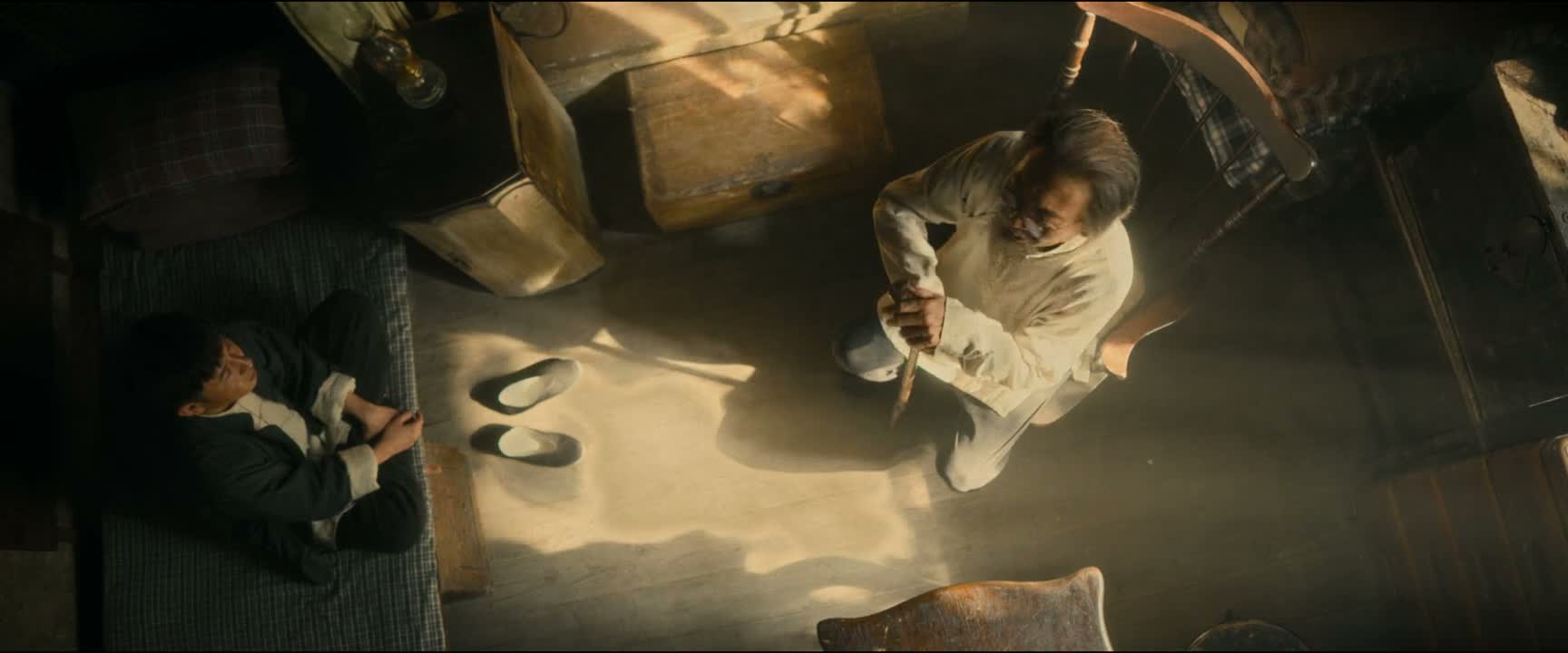
《Born to Be Alive》 S1·E11 (34:53) · Authentic Cinema Dialogue Corpus