MC
MandarinClips Cinema Corpus
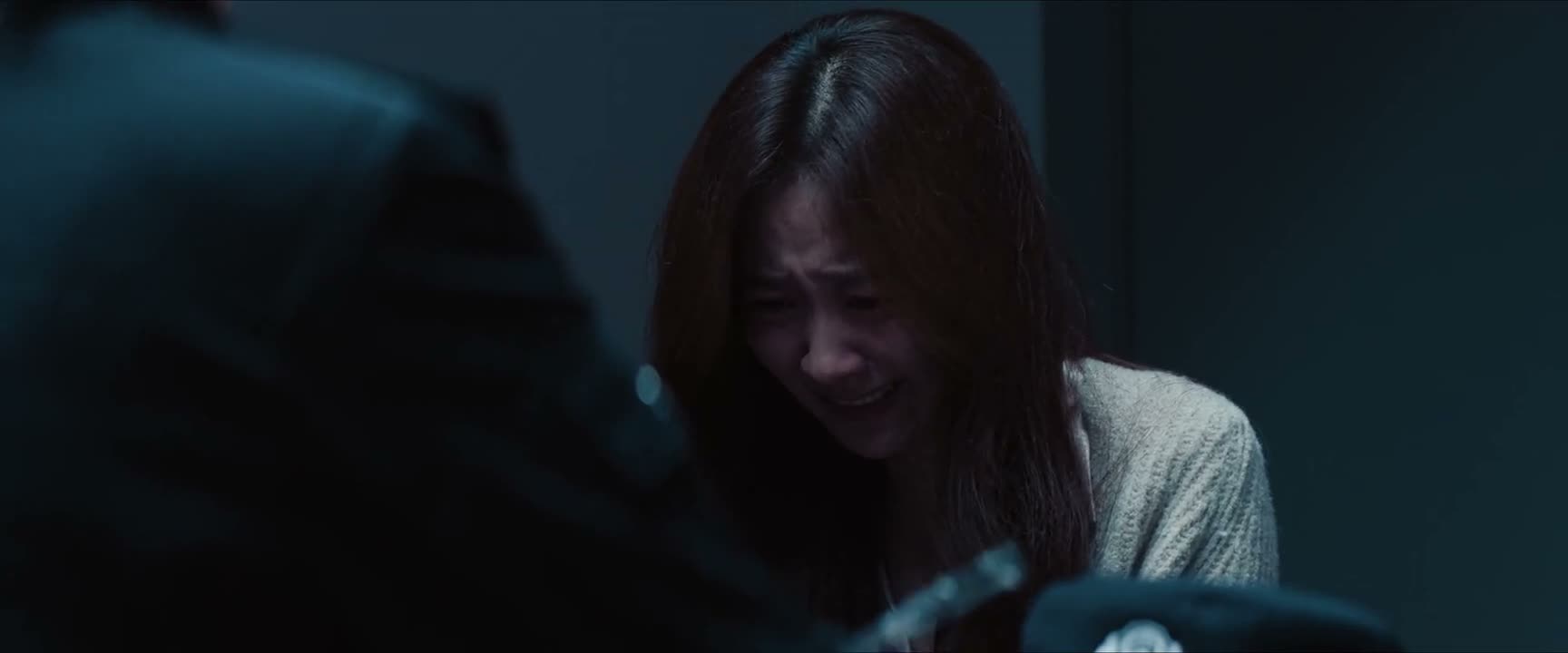
《The Truth》 S1·E7 (05:17) HSK 4
zhè zhè zhè wǒ zhēn zhēn bú jì dé le wǒ dāng shí yǐ jīng hē duō le

这这这 我真 真不记得了 我当时已经喝多了

“I really don't remember. I was already drunk then.”

《The Truth》 S1·E7
TIMECODE: 05:17 · 1080P MASTER AUDIO

THE DIALOGUE REEL

1+1+1 SPOKEN CONTINUITY
[-1] PREVIOUS TURN nà ge shí hòu dà gài jǐ diǎn

那个时候大概几点

“What time was that approximately?”

zhè zhè zhè wǒ zhēn zhēn bú jì dé le wǒ dāng shí yǐ jīng hē duō le CURRENT FOCUS

这这这 我真 真 不记得了 我当时 已经 喝多了

“I really don't remember. I was already drunk then.”

[+1] FOLLOW-UP TURN nà zài nǎ ér hē de jiǔ a shén me wèi zhì

那在哪儿喝的酒啊 什么位置

“Where exactly were you drinking? The specific spot?”

Subtitles synced to millisecond timecode Browse Show Clips →
Scene: Legal & Police
Function: PLEADING IGNORANCE
Tone: FLUSTERED
Emotion: ANXIETY
WHAT THEY REALLY MEAN (PRAGMATIC SUBTEXT)
“Stop pressing me; I am using drunkenness as my excuse not to answer.”
💡 Cultural Insight: Alcohol as an Excuse

In Chinese social and legal dynamics, 'being drunk' is frequently invoked as a catch-all excuse to deflect responsibility or account for lapses in memory.

INTENT TAGS: #evasion #defensiveness #excuse #stammering
🧩

LEARNING CHUNKS & PARTICLES

2 CHUNKS · 1 PARTICLES
喝多了 SPOKEN CHUNK

drank too much / drunk

A standard colloquial expression to admit intoxication or to excuse poor memory/behavior after drinking.

真不记得了 SPOKEN CHUNK

really do not remember

A frequent defensive phrase used to emphasize sincere or feigned forgetfulness.

Modal Particle「了」 (le) CHANGE OF STATE

Indicates a change of state regarding remembering and intoxication.
🏮

VOCABULARY & EXPRESSIONS

3 EXPR · 0 GRAMMAR
CROSS-CINEMA CORPUS BOARD · PARALLEL SCENES

Parallel Spoken Cinema Scenes (语义近邻切片)

EXPLORE BY SEMANTIC SIMILARITY
《The Truth》 S1·E7 (05:17) · Authentic Cinema Dialogue Corpus