谁说我想学攀岩了?
“[scoffs] Who said I wanted to learn how to climb?”
THE DIALOGUE REEL
那是绝佳的攀岩入门地
“That's a great wee crag to get you started climbing.”
谁说我 想学 攀岩 了?
“[scoffs] Who said I wanted to learn how to climb?”
- 你穿好衣服了 - 对 我得走了
“- You're dressed. - [sternly] Yeah, I have to go.”
“You're assuming things about me that simply aren't true.”
Mandarin speakers often rely on rhetorical questions starting with '谁说' (Who said) to bluntly reject presumed consent or inaccurate personal statements.
LEARNING CHUNKS & PARTICLES
Who said that...? / Who says...?
A rhetorical pattern used to refute a false premise or correct someone's faulty assumption.
to learn rock climbing
A natural verb-object collocation used when discussing outdoor sports and recreational activities.
Marks the rhetorical frame '谁说……了', completing the clause and emphasizing disbelief or refutation.
VOCABULARY & EXPRESSIONS
Parallel Spoken Cinema Scenes (语义近邻切片)

“Aren't you asking too much too fast?”

“Then I have to go hiking. I have to use it. You better train well.”

“she kept dreaming about college and trying to climb higher.”
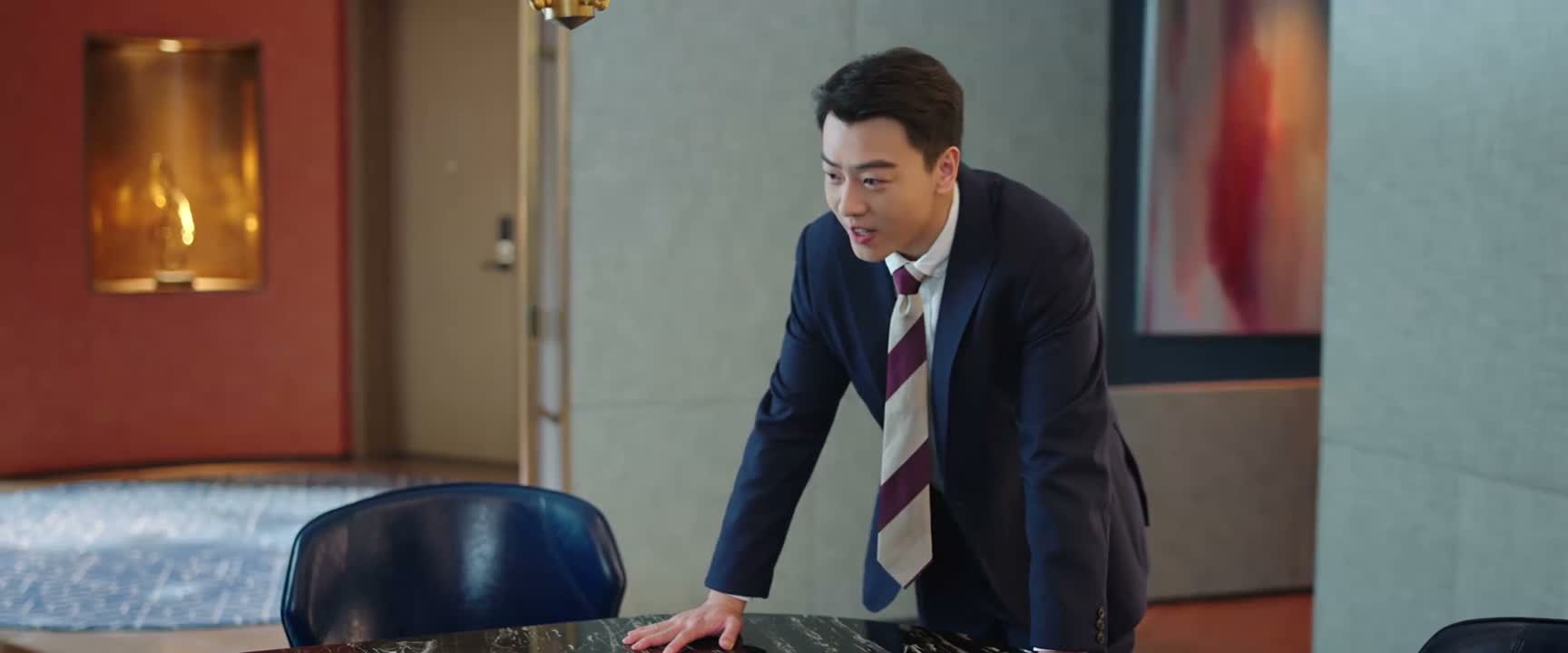
“Turns out you found someone better.”
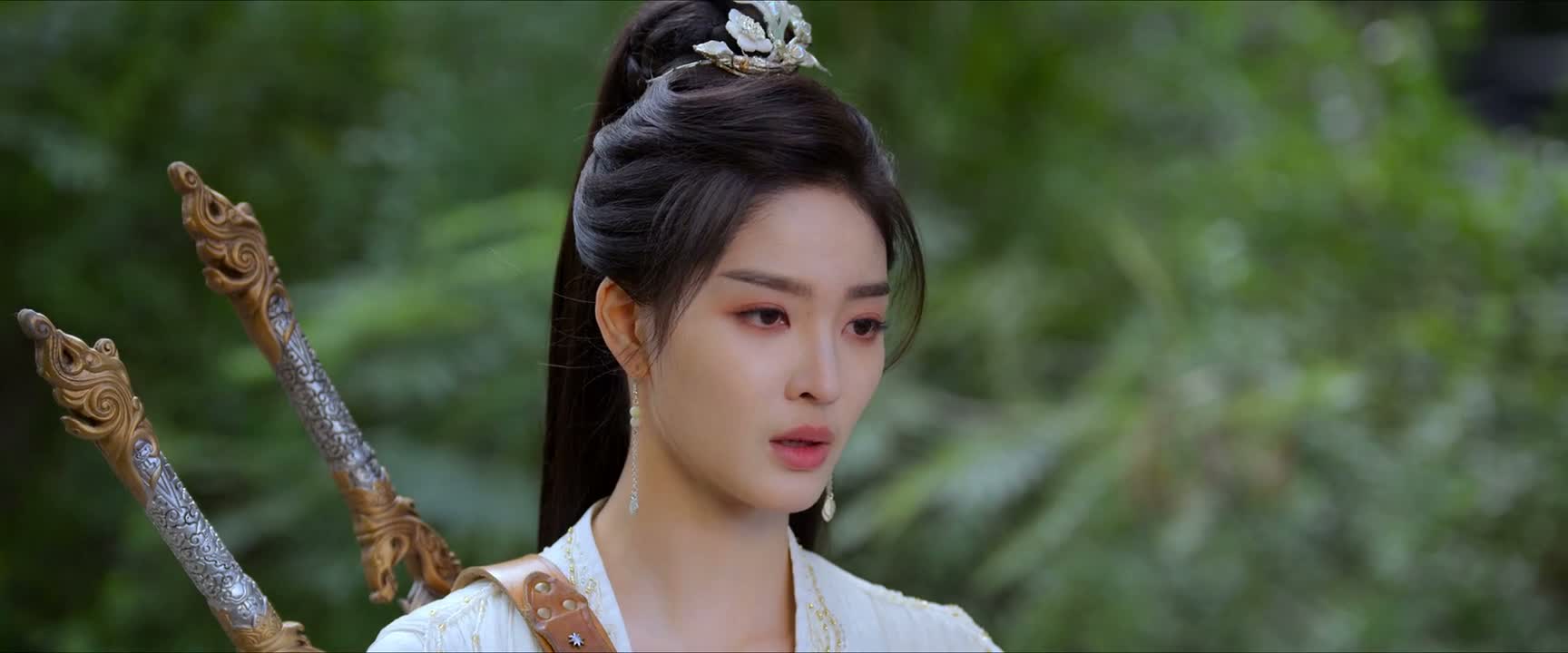
“once you saw me, you wouldn't want to go up the mountain anymore?”
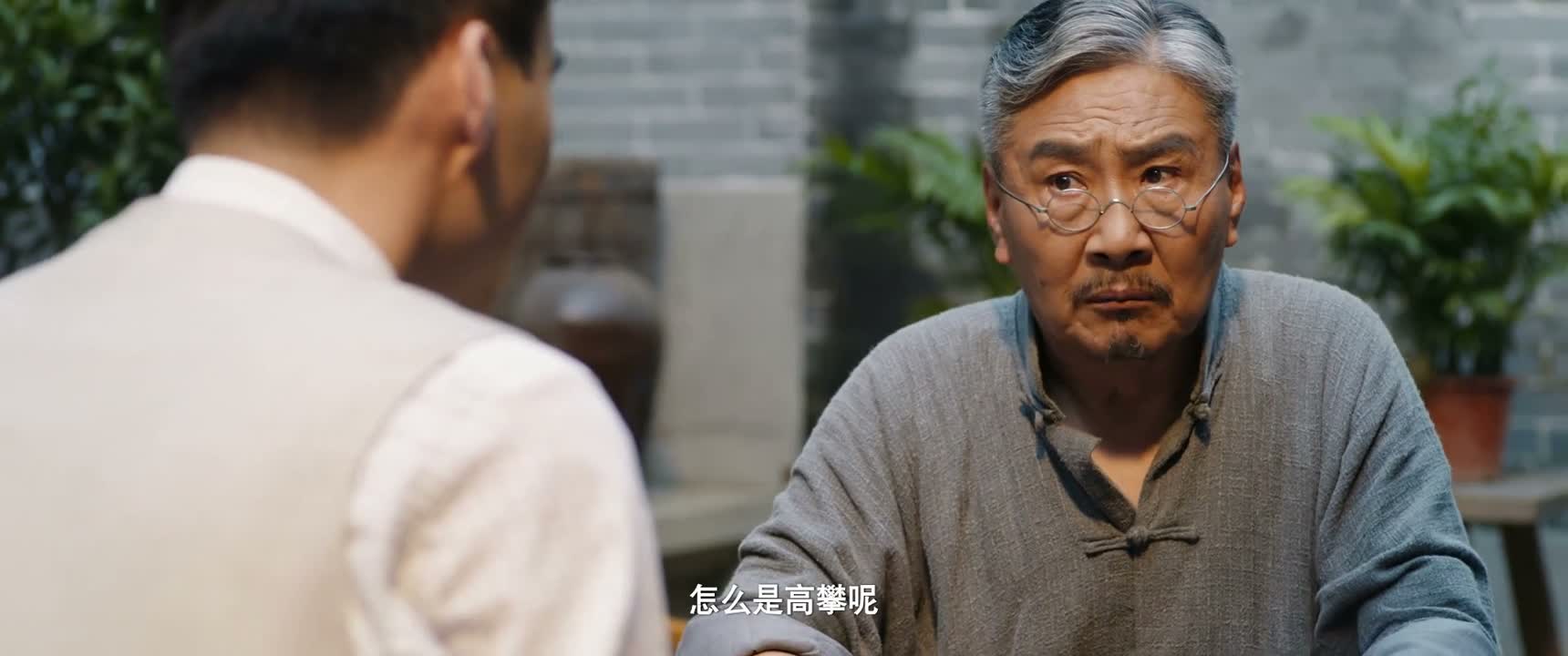
“How is it not worthy?”