有点重蹈覆辙之意呢
“I see signs of you repeating the same mistake.”
THE DIALOGUE REEL
怎么这几天的所作所为
“Yet in what you've been doing these past few days,”
有点 重蹈覆辙 之意呢
“I see signs of you repeating the same mistake.”
这珊依
“Shanyi...”
“She seems to be making the exact same foolish blunder all over again.”
Chinese speakers often rely on classical four-character idioms (chengyu) like '重蹈覆辙' to deliver evaluative critiques with literary weight and indirect grace.
LEARNING CHUNKS & PARTICLES
to repeat the same mistake; to follow the tracks of an overturned cart
A formal idiom used to describe falling back into a known, disastrous failure.
intention of; sign/sense of
A literary suffix used after a verb or idiom to imply an apparent trend or implicit purpose.
Softens the rhetorical tone and prompts the listener to reflect and confirm the observation.
VOCABULARY & EXPRESSIONS
Parallel Spoken Cinema Scenes (语义近邻切片)

“are we doomed to repeat the same mistake?”

“I will repeat my past mistakes,”
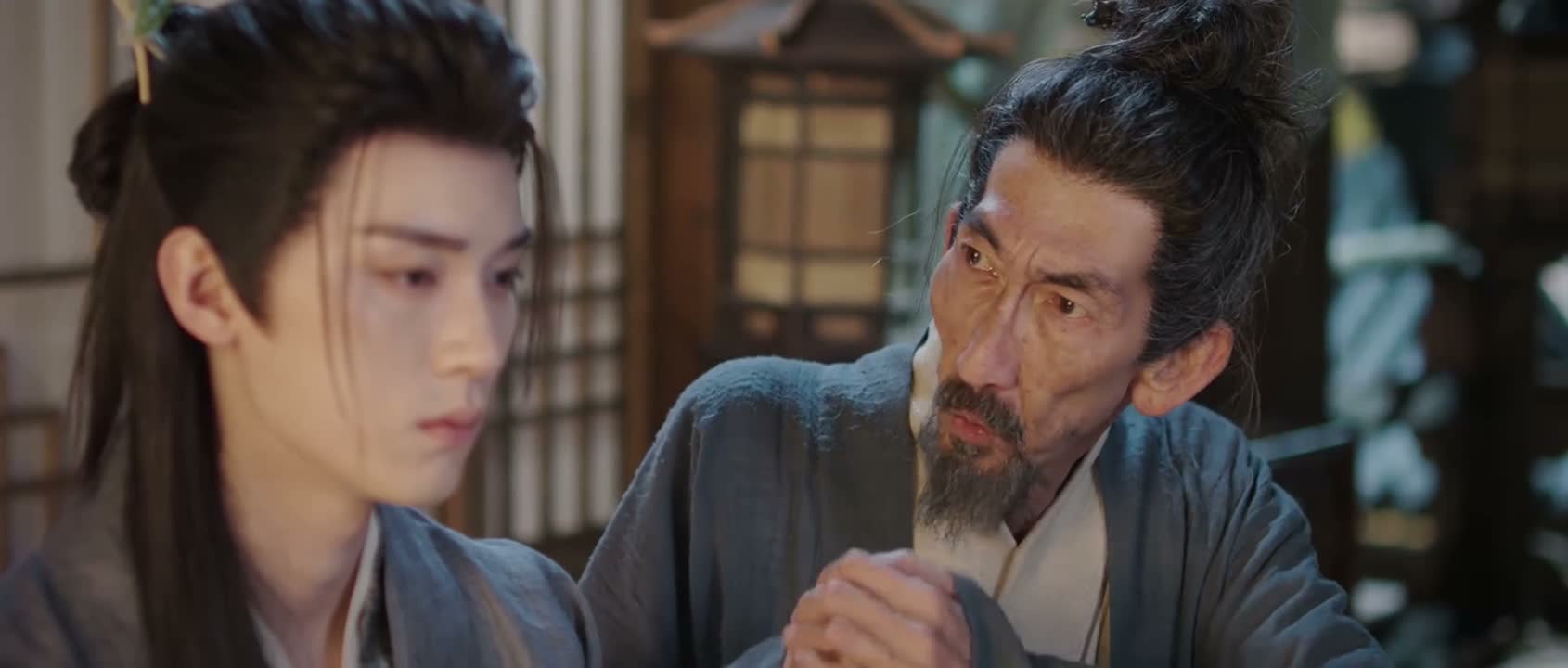
“don't repeat the same mistake.”
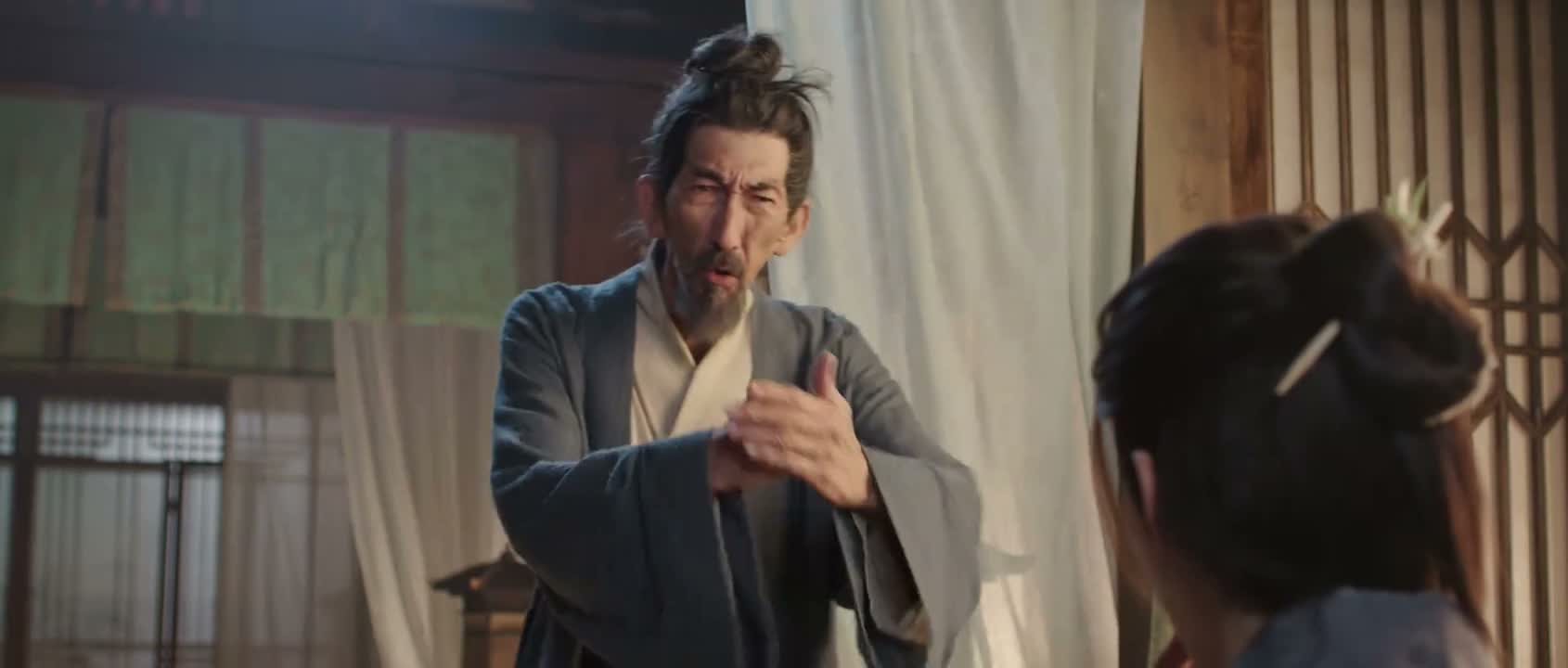
“Why must you repeat the same mistake?”

“Don't make the same mistake again.”

“so they don't want you to go through the same thing.”