不要再犯同样的错误了
“Don't make the same mistake again.”
THE DIALOGUE REEL
不要再犯 同样的错误 了
“Don't make the same mistake again.”
你也好好的
“You take care too.”
“Learn from the past and don't hurt someone like you did before; cherish what you have now.”
A colloquial Chinese expression wishing someone peace, smooth sailing, a happy life, or harmonious relationships, commonly used during farewells or to convey heartfelt care.
LEARNING CHUNKS & PARTICLES
to make the same mistake again; to repeat past mistakes
Commonly used when admonishing or advising others, or during self-reflection; often preceded by 'bu yao' / 'bie' (do not) or 'zong' (always).
Placed at the end of a sentence to indicate dissuasion or a change of state; here it reinforces the prohibitive tone of 'do not continue or repeat'.
VOCABULARY & EXPRESSIONS
Parallel Spoken Cinema Scenes (语义近邻切片)

“of never making the same mistake again.”
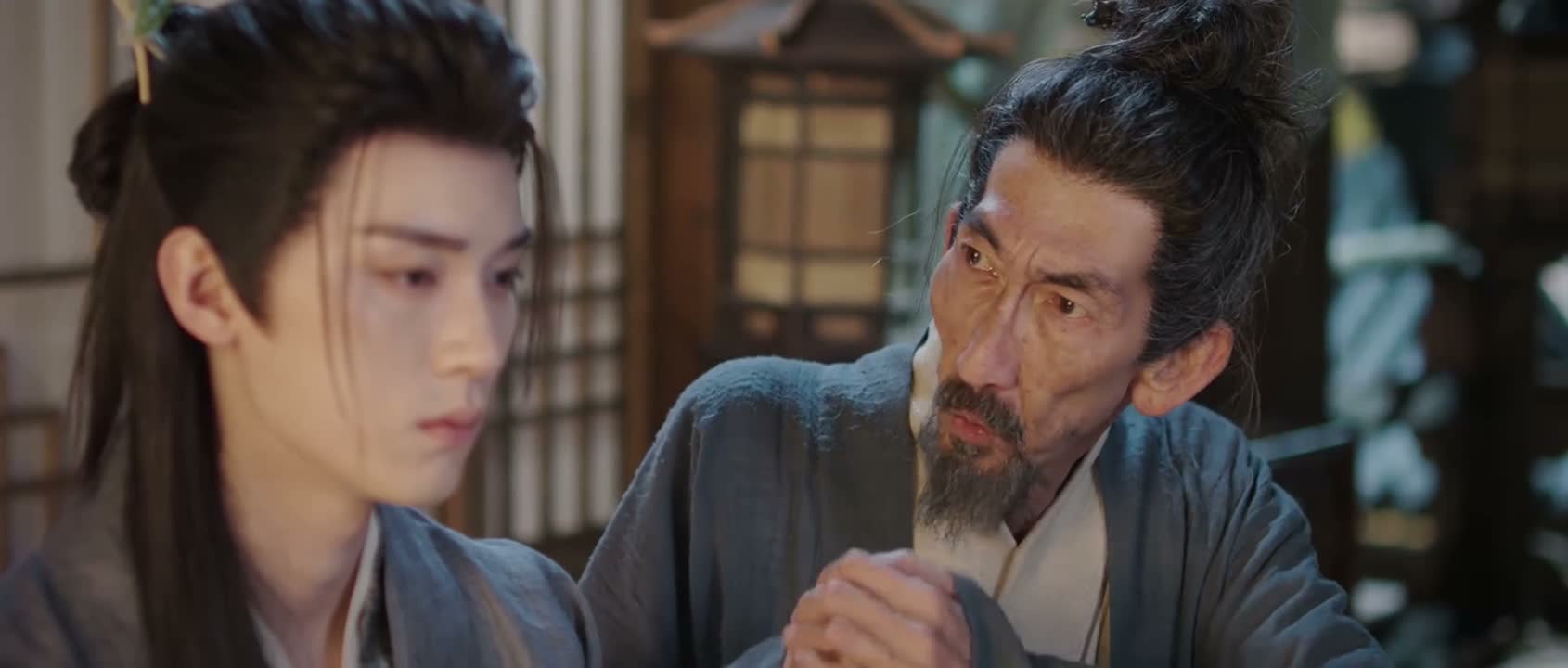
“don't repeat the same mistake.”

“Just don't make the same mistake the next time.”
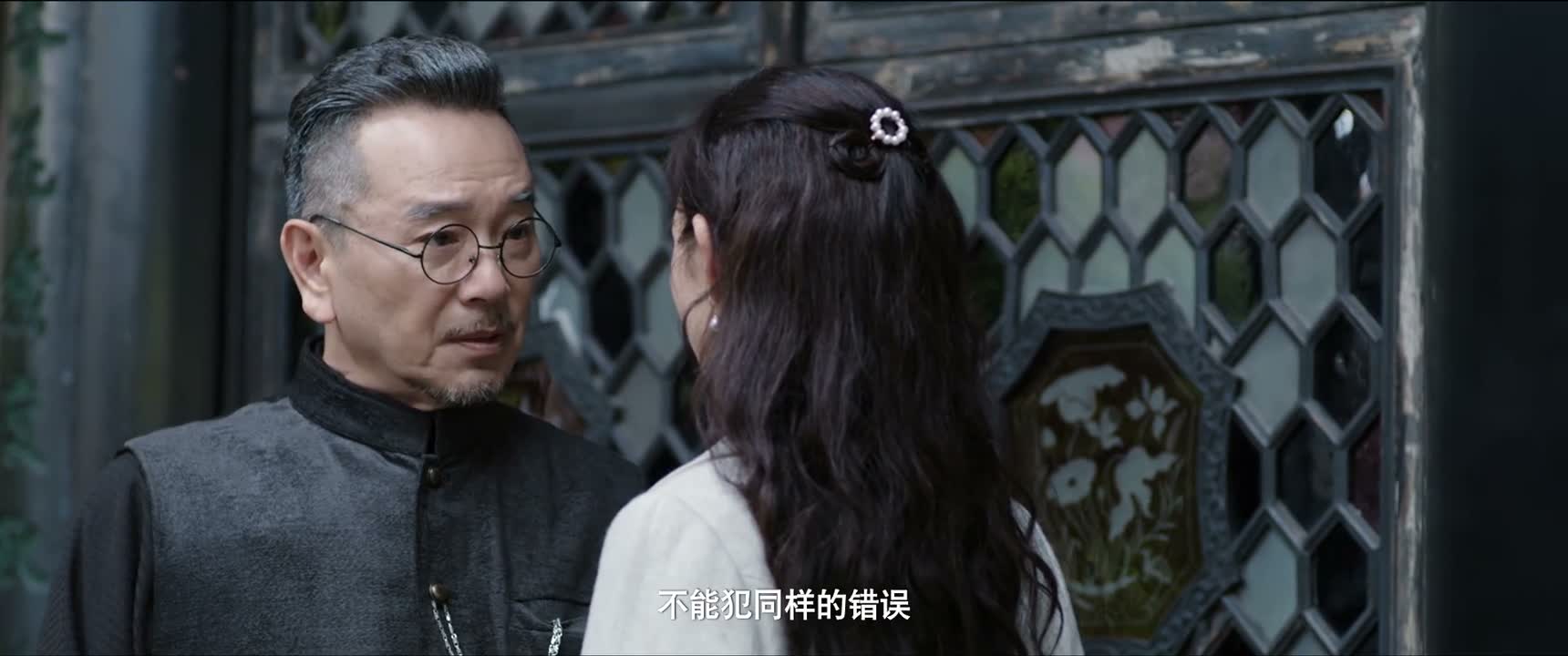
“you cannot make the same mistake again”

“Don't fall back into your old habit.”

“But don't keep going down the wrong path.”

“Don't make any more mistakes.”
“We can't make the same mistake twice.”
“He tells me to take this as a warning.”