MC
MandarinClips Cinema Corpus
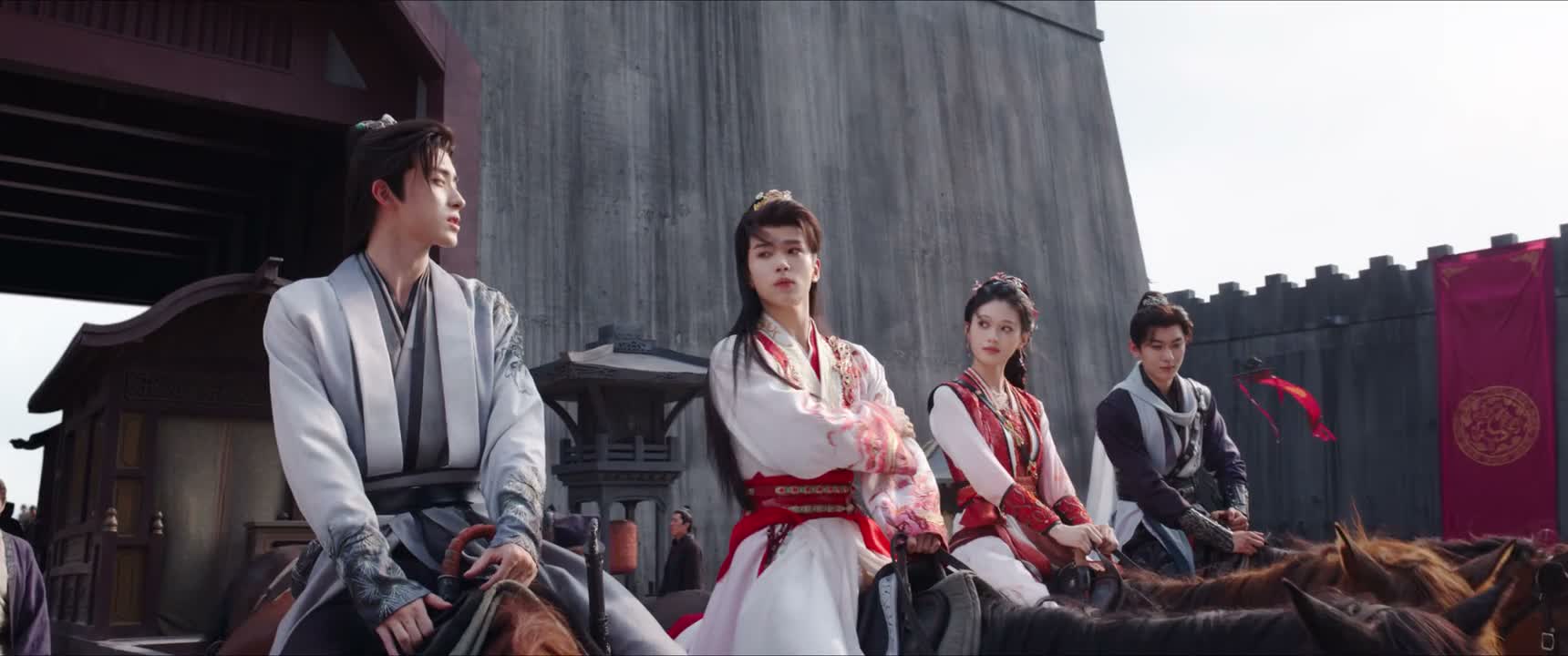
《The Heir》 S1·E29 (16:11) HSK 7
nǎ yǒu shí jiān chī hē wán lè ya zài shuō nán jīng nà me dà

哪有时间吃喝玩乐呀 再说南京那么大

“I won't have time to have fun. Besides, Nanjing is huge,”

《The Heir》 S1·E29
TIMECODE: 16:11 · 1080P MASTER AUDIO

THE DIALOGUE REEL

1+1+1 SPOKEN CONTINUITY
[-1] PREVIOUS TURN wǒ qù nán jīng shì yào bàn zhèng jīng shì de jìng xuǎn shēng chén mò

“I'm going to Nanjing for something serious— the birthday inkstick competition.”

nǎ yǒu shí jiān chī hē wán lè ya zài shuō nán jīng nà me dà CURRENT FOCUS

哪有时间 吃喝玩乐 呀 再说 南京那么大

“I won't have time to have fun. Besides, Nanjing is huge,”

[+1] FOLLOW-UP TURN wǒ cóng lái dōu méi yǒu qù guò lù wǒ dōu rèn bù quán ne

“and I've never been there before. I don't even know the roads,”

Subtitles synced to millisecond timecode Browse Show Clips →
Scene: Daily Life
Function: DEFENDING ONE'S INTENTIONS
Tone: DEFENSIVE
Emotion: FRUSTRATION
WHAT THEY REALLY MEAN (PRAGMATIC SUBTEXT)
“Don't accuse me of having fun—I'm going there under huge pressure and have no intention to goof off.”
💡 Cultural Insight: Prioritizing Duty over Pleasure

Emphasizing serious business (正经事) over self-indulgence (吃喝玩乐) is crucial in Chinese social morality to demonstrate responsibility and diligence.

INTENT TAGS: #defending #rebuttal #reassurance #justification
🧩

LEARNING CHUNKS & PARTICLES

2 CHUNKS · 1 PARTICLES
吃喝玩乐 SPOKEN CHUNK

eating, drinking, and having fun; indulging in pleasure

A common four-character idiom describing leisurely indulgence or frivolous entertainment.

哪有时间 SPOKEN CHUNK

how could there be any time

A rhetorical question pattern used to firmly deny having spare time for something.

Modal Particle「呀」 (ya) CHANGE OF STATE

Adds emotional intensity and emphasis to the rhetorical question.
🏮

VOCABULARY & EXPRESSIONS

3 EXPR · 0 GRAMMAR
CROSS-CINEMA CORPUS BOARD · PARALLEL SCENES

Parallel Spoken Cinema Scenes (语义近邻切片)

EXPLORE BY SEMANTIC SIMILARITY
《The Heir》 S1·E29 (16:11) · Authentic Cinema Dialogue Corpus