你别叹气了 你
“Stop sighing. You...”
THE DIALOGUE REEL
我不知道
“I don't know.”
你 别叹气了 你
“Stop sighing. You...”
他怎么想的 我们不清楚 也不必费神去琢磨
“We don't know what he thinks, and we don't need to bother figuring it out.”
“Your sighing is not solving anything; let it go and pull yourself together.”
In Chinese folk belief and interpersonal dynamics, frequent sighing is seen as dispelling one's vitality and bringing bad luck, making people prone to tell loved ones to stop.
LEARNING CHUNKS & PARTICLES
to sigh; to heave a sigh
Standard spoken verb for expressing frustration or melancholy through sighing.
stop doing...
A common colloquial pattern used to urge someone to cease an ongoing action.
Marks the cessation of an ongoing action when paired with negative imperatives like 'bie'.
VOCABULARY & EXPRESSIONS
Parallel Spoken Cinema Scenes (语义近邻切片)

“If you keep sighing like this,”

“Don't be mad at me.”
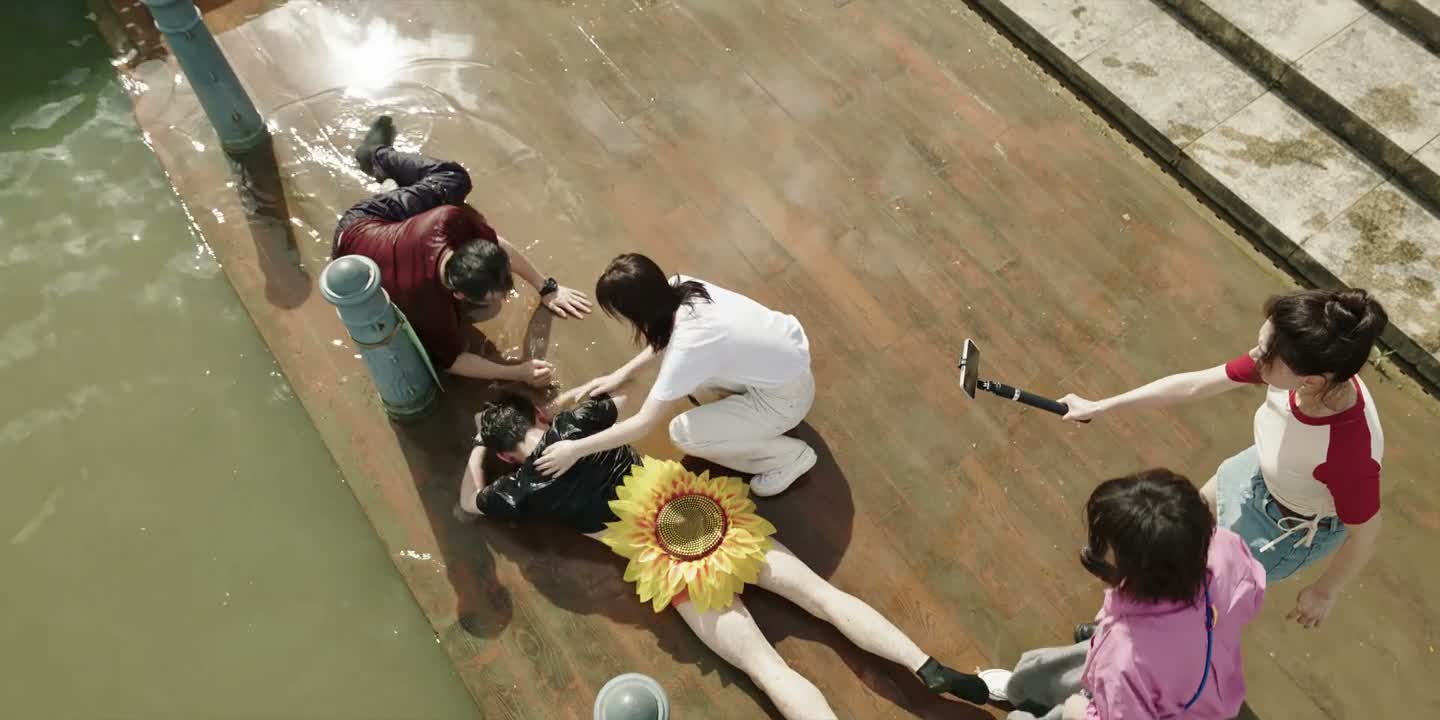
“Don't do this, I can't breathe.”

“Please don't be angry anymore! Be careful not to ruin your health! Don't be angry anymore!”

“Don't be mad.”

“Can you stop being angry? Fine, I admit it.”