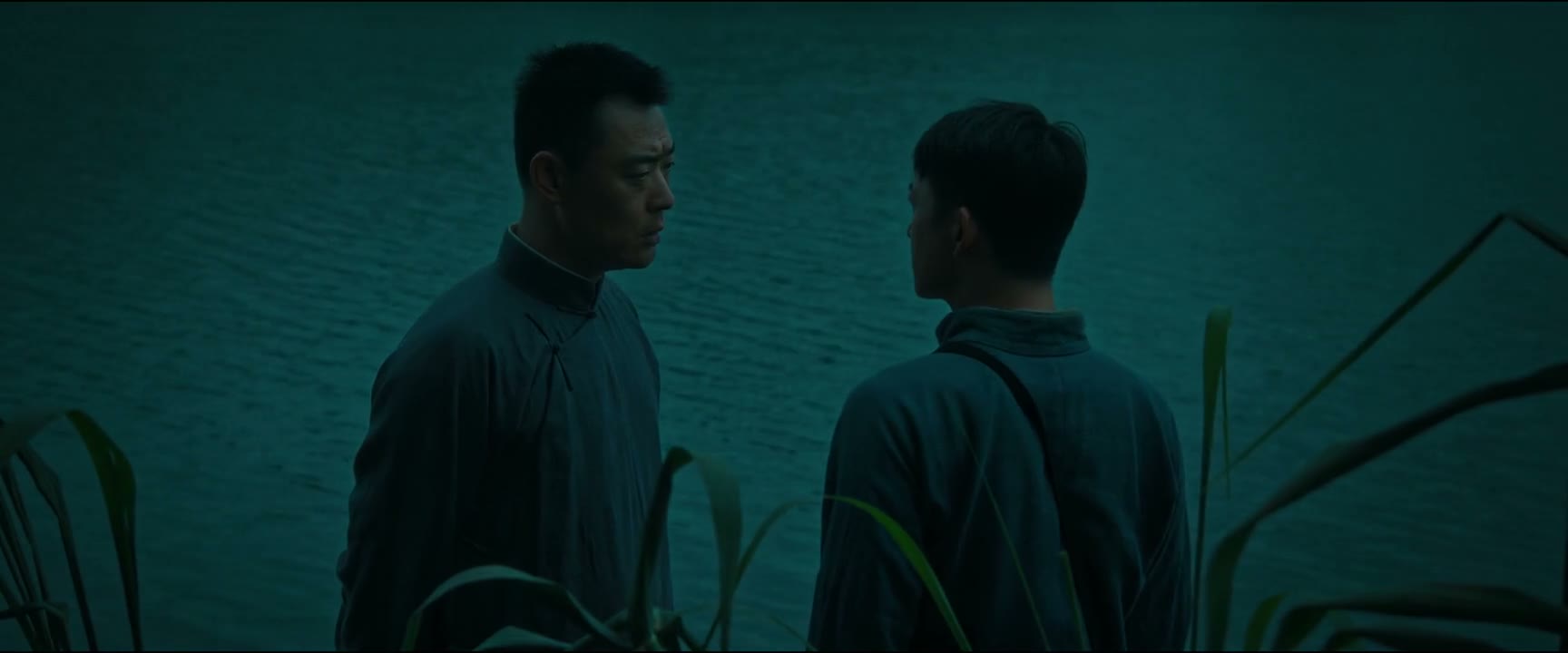
《Love Has Fireworks》 S1·E8 (12:13)
HSK 5
rēng le yě guài kě xī de wǒ xiǎng zhe jiù
扔了也怪可惜的 我想着就
“It seemed like a waste to throw it out.”
《Love Has Fireworks》
S1·E8
TIMECODE: 12:13
·
1080P MASTER AUDIO
THE DIALOGUE REEL
[-1] PREVIOUS TURN
mǎi dōng xī rén jiā sòng de
买东西人家送的
“The store gave it away for free.”
rēng le yě guài kě xī de wǒ xiǎng zhe jiù
CURRENT FOCUS
扔了也 怪可惜的 我 想着 就
“It seemed like a waste to throw it out.”
[+1] FOLLOW-UP TURN
nǐ bú shì lǎo zuò nà chǎo jiā tiáo kàn nǐ wǎng lǐ fàng zhè ge ma
你不是老做那炒茄条 看你往里放这个吗
“I figured you always put this in your stir-fried eggplant.”
Subtitles synced to millisecond timecode
Browse Show Clips →
Scene:
Family & Home
Function:
JUSTIFYING BEHAVIOR
Tone:
CONCILIATORY
Emotion:
THOUGHTFULNESS
WHAT THEY REALLY MEAN (PRAGMATIC SUBTEXT)
“I hate wasting perfectly good free things, so make use of it.”
💡 Cultural Insight: Frugality and Thrift (Qin Jian)
Avoiding waste (kexi) is a core domestic value across Chinese households, where free gifts or leftovers are repurposed rather than discarded.
INTENT TAGS:
#frugality
#justification
#pragmatism
#domesticity
🧩
2 CHUNKS · 0 PARTICLES
LEARNING CHUNKS & PARTICLES
怪可惜的
SPOKEN CHUNK
quite a waste / quite a pity
Used in spoken Mandarin to express reluctance to discard or waste useful resources.
想着
SPOKEN CHUNK
was thinking / figured
Prefaces personal reasoning or tentative intentions in conversational contexts.
🏮
2 EXPR · 0 GRAMMAR
VOCABULARY & EXPRESSIONS
COLLOQUIAL EXPRESSIONS:
CROSS-CINEMA CORPUS BOARD · PARALLEL SCENES
EXPLORE BY SEMANTIC SIMILARITY
Parallel Spoken Cinema Scenes (语义近邻切片)
《Love Has Fireworks》 S1·E8 (12:13) · Authentic Cinema Dialogue Corpus