谁说我没事了 你给我时间说事了吗
“Who said I had nothing to say? Did you even give me a chance?”
THE DIALOGUE REEL
“I'm busy. If there's nothing else, I'm going.”
谁说我没事了 你 给我 时间 说事 了吗
“Who said I had nothing to say? Did you even give me a chance?”
行 行 行 亦非啊
“Fine, go on. Yifei,”
“Don't try to dismiss me so quickly; you haven't even let me finish talking!”
Using stacked rhetorical questions is a prevalent spoken technique in Chinese to reclaim conversational floor space when feeling dismissed or devalued.
LEARNING CHUNKS & PARTICLES
who said...
A common rhetorical framing used to forcefully refute an assumption made by the interlocutor.
talk business / discuss the matter
A natural, colloquial northern Chinese collocation referring to discussing serious or specific matters.
Emphasizes the change of state and reinforces the rhetorical refutation.
Forms a rhetorical question with an accusatory or aggrieved undertone.
VOCABULARY & EXPRESSIONS
Parallel Spoken Cinema Scenes (语义近邻切片)

“No-nothing.”
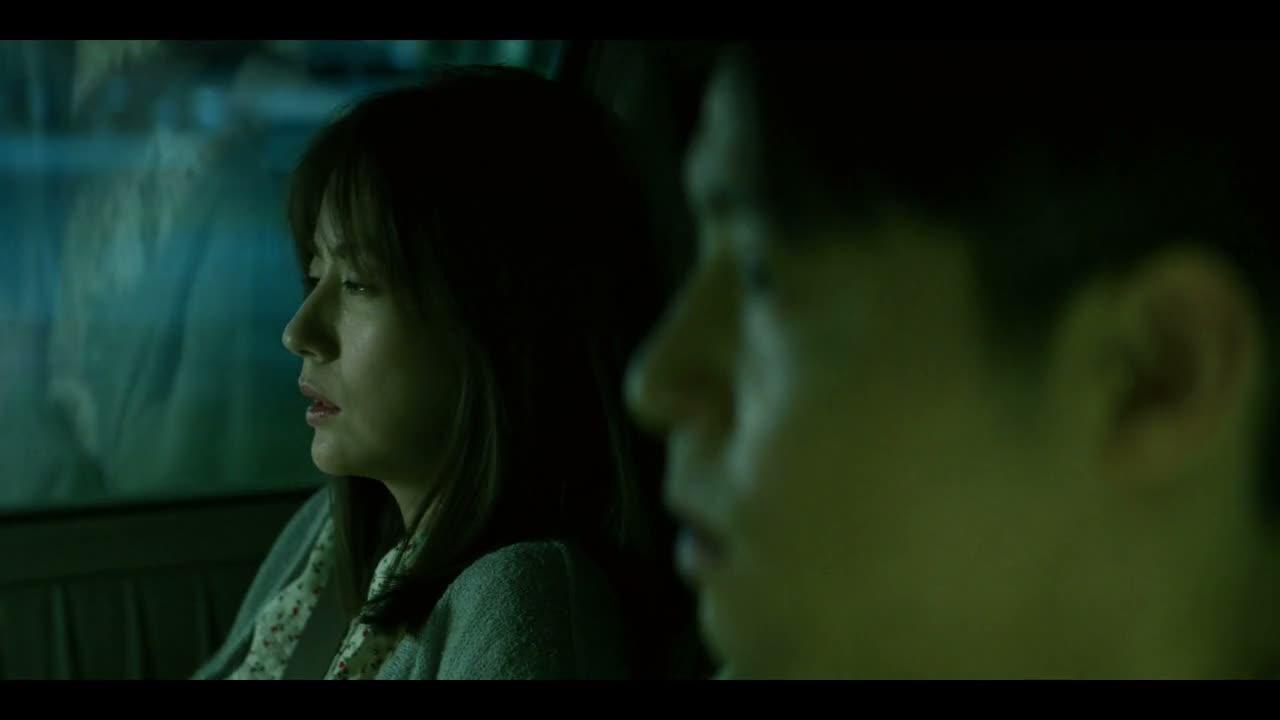
“I'm fine. I'll be fine.”

“I'm fine. I'm fine.”

“She's fine. What do you want? Then I'm relieved.”

“I'm here. I'm fine. I... I'm okay.”

“I'm fine, I'm fine.”