《Echoes of a Thousand Moons》 S1·E30 (28:21)
HSK 4
nà shuí zhī dào tā dào dǐ shì yào yǎn nǎ yī chū a
那谁知道他到底是要演哪一出啊
“Who knows what he's playing at?”
《Echoes of a Thousand Moons》
S1·E30
TIMECODE: 28:21
·
1080P MASTER AUDIO
THE DIALOGUE REEL
[-1] PREVIOUS TURN
nà shuí zhī dào tā dào dǐ shì zhēn shòu shāng hái shì jiǎ shòu shāng a
“Who knows if he's really injured or faking it?”
nà shuí zhī dào tā dào dǐ shì yào yǎn nǎ yī chū a
CURRENT FOCUS
那谁 知道 他 到底是 要 演哪一出 啊
“Who knows what he's playing at?”
[+1] FOLLOW-UP TURN
hái yǒu
还有
“Also,”
Subtitles synced to millisecond timecode
Browse Show Clips →
Scene:
Crisis & Conflict
Function:
EXPRESSING SUSPICION
Tone:
SKEPTICAL
Emotion:
DISTRUST
WHAT THEY REALLY MEAN (PRAGMATIC SUBTEXT)
“He is definitely scheming and putting on a fake show.”
💡 Cultural Insight: Theatrical Metaphors for Deception
Chinese culture frequently uses opera and theatrical metaphors like '演戏' or '演哪一出' to describe interpersonal manipulation and false pretense.
INTENT TAGS:
#distrust
#speculation
#skepticism
#dismissal
🧩
2 CHUNKS · 1 PARTICLES
LEARNING CHUNKS & PARTICLES
那谁知道
SPOKEN CHUNK
well, who knows? / nobody can tell
A colloquial rhetorical phrase used to express skepticism or lack of certainty.
演哪一出
SPOKEN CHUNK
what kind of game someone is playing / what act someone is putting on
A theatrical metaphor commonly used to criticize someone's dramatic or disingenuous behavior.
Modal Particle「啊」 (a)
CHANGE OF STATE
Softens the rhetorical question while adding an undertone of exasperated resignation.
🏮
4 EXPR · 0 GRAMMAR
VOCABULARY & EXPRESSIONS
COLLOQUIAL EXPRESSIONS:
CROSS-CINEMA CORPUS BOARD · PARALLEL SCENES
EXPLORE BY SEMANTIC SIMILARITY
Parallel Spoken Cinema Scenes (语义近邻切片)

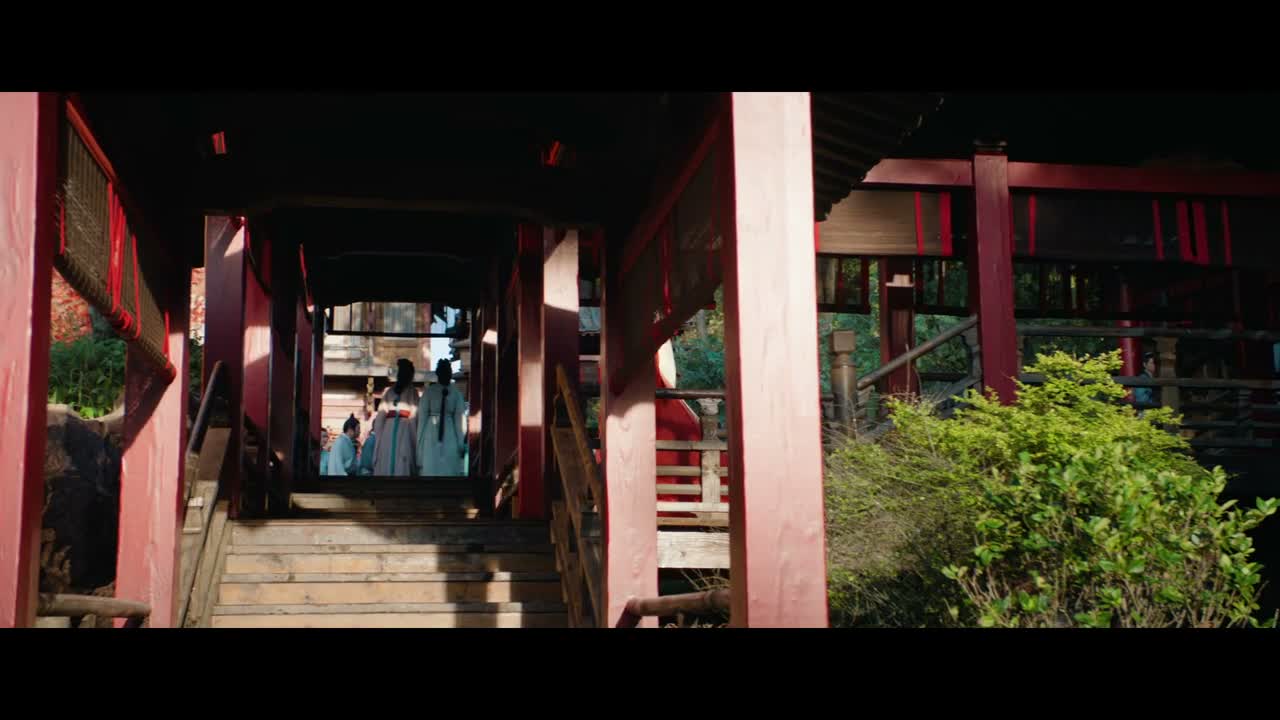
《Echoes of a Thousand Moons》 S1·E30 (28:21) · Authentic Cinema Dialogue Corpus