我们来时已晚 她已气绝多时了
“When we arrived, it was too late, and she had been dead for a while.”
THE DIALOGUE REEL
她
“She...”
我们来时已晚 她已 气绝多时 了
“When we arrived, it was too late, and she had been dead for a while.”
殿下
“Your Highness,”
Direct spoken expression in this communicative setting.
Historical Chinese relies on formal, somatic euphemisms like 'breath ending' rather than crude terms when reporting fatalities to superiors.
LEARNING CHUNKS & PARTICLES
to breathe one's last; to pass away
A formal, historical literary term used to announce death, particularly in investigative or tragic historical contexts.
for a long time
A slightly formal, written or period-drama phrase synonymous with 很长时间.
Marks the completed transition into death and the finality of the situation.
VOCABULARY & EXPRESSIONS
Parallel Spoken Cinema Scenes (语义近邻切片)

“I'm late. -Please. -Thank you for waiting.”

“What brings you here so late at night?”

“You came at the right time. We'll be leaving the city soon.”

“We're already here.”
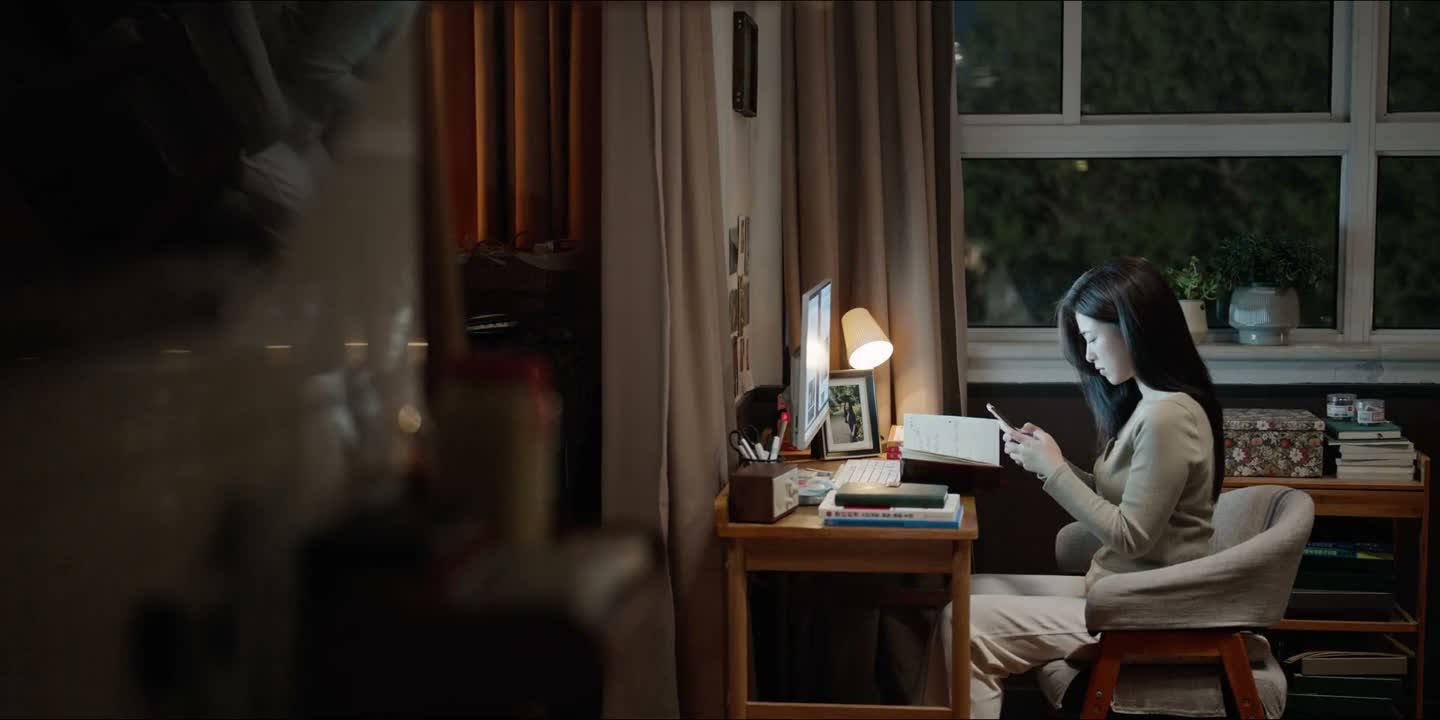
“[It's too late. Let's do it another day.] [Xu Miyu]”
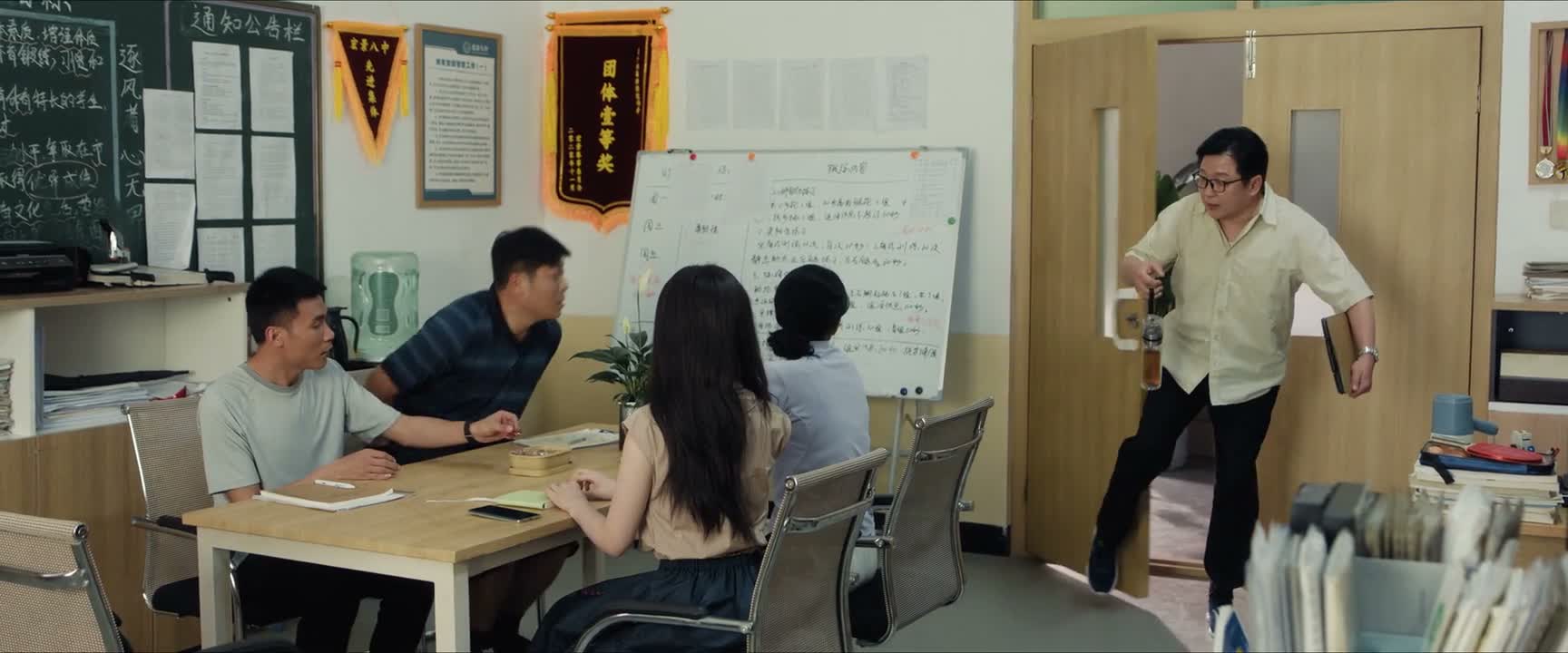
“I'm late. The principal called me over”