MC
MandarinClips Cinema Corpus
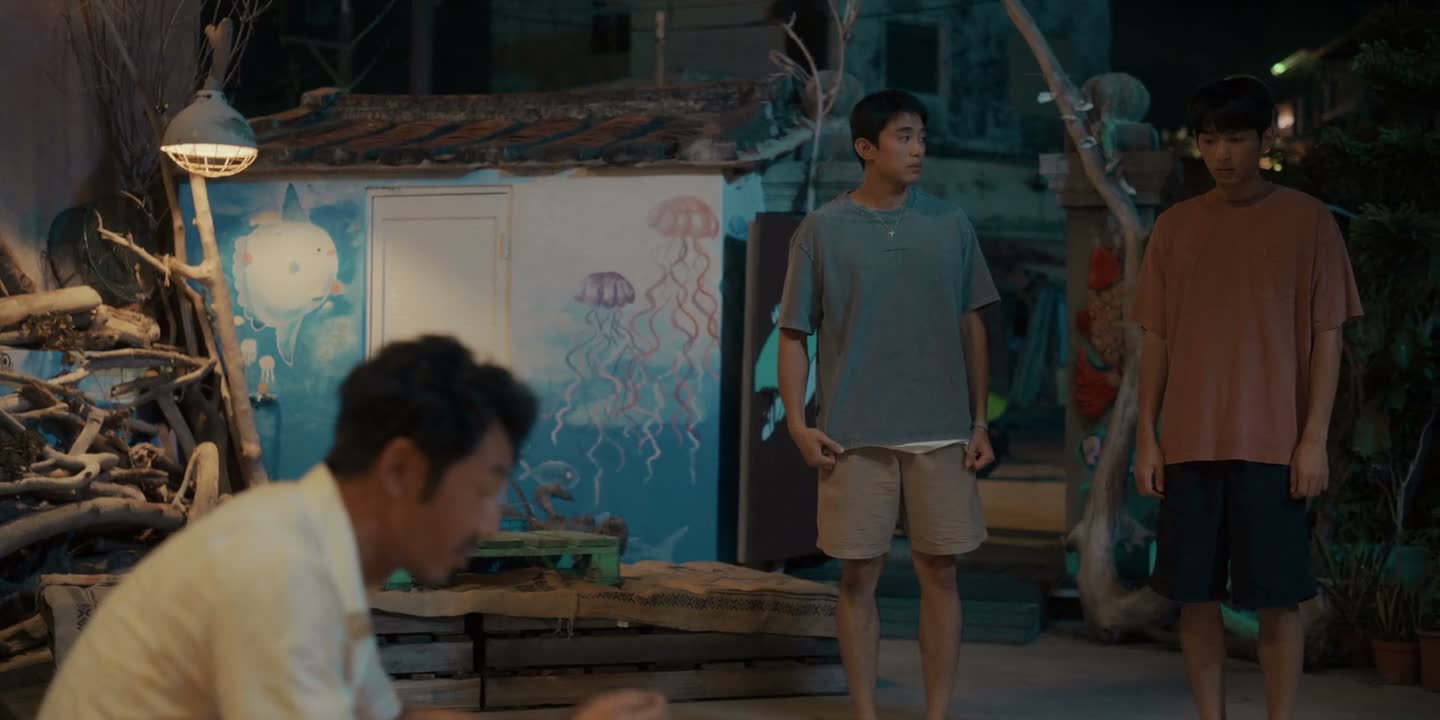
《Born with Luck》 S1·E22 (12:16) HSK 4
nà ge shǒu jī dào dǐ zhǎo dào méi yǒu ma

那个手机到底找到没有吗

“if he found the phone or not?”

《Born with Luck》 S1·E22
TIMECODE: 12:16 · 1080P MASTER AUDIO

THE DIALOGUE REEL

1+1+1 SPOKEN CONTINUITY
[-1] PREVIOUS TURN zán men jiù bù néng zhǔ dòng wèn wèn

咱们就不能主动问问

“can't we just ask him”

nà ge shǒu jī dào dǐ zhǎo dào méi yǒu ma CURRENT FOCUS

那个 手机 到底 找到 没有 吗

“if he found the phone or not?”

[+1] FOLLOW-UP TURN zěn me gǎn jué nǐ shì wǒ gē a

怎么感觉你是我哥啊

“Why do I feel like you are my boss?”

Subtitles synced to millisecond timecode Browse Show Clips →
Scene: Daily Life
Function: PRESSING FOR CLARIFICATION
Tone: INQUISITIVE
Emotion: IMPATIENCE
WHAT THEY REALLY MEAN (PRAGMATIC SUBTEXT)
“Stop beating around the bush and tell me straight: did you find it or not?”
💡 Cultural Insight: Familial Hierarchy in Informal Address

The subsequent reaction ('you sound like my older brother') reflects how Chinese speakers view bossy or nagging inquiries as typical of elder family members asserting authority.

INTENT TAGS: #urgency #inquiry #confrontation #impatience
🧩

LEARNING CHUNKS & PARTICLES

2 CHUNKS · 1 PARTICLES
到底 SPOKEN CHUNK

on earth; after all; in the end

Used in interrogative sentences to emphasize urgency, impatience, or demand for a definitive answer.

找到没有 SPOKEN CHUNK

found it or not

A common spoken affirmative-negative question pattern to confirm completion of a search.

Modal Particle「吗」 (ma) CHANGE OF STATE

Functions as a colloquial sentence-final question marker, combined here with an affirmative-negative structure to intensify the demand for closure.
🏮

VOCABULARY & EXPRESSIONS

3 EXPR · 0 GRAMMAR
CROSS-CINEMA CORPUS BOARD · PARALLEL SCENES

Parallel Spoken Cinema Scenes (语义近邻切片)

EXPLORE BY SEMANTIC SIMILARITY
《Born with Luck》 S1·E22 (12:16) · Authentic Cinema Dialogue Corpus