MC
MandarinClips Cinema Corpus
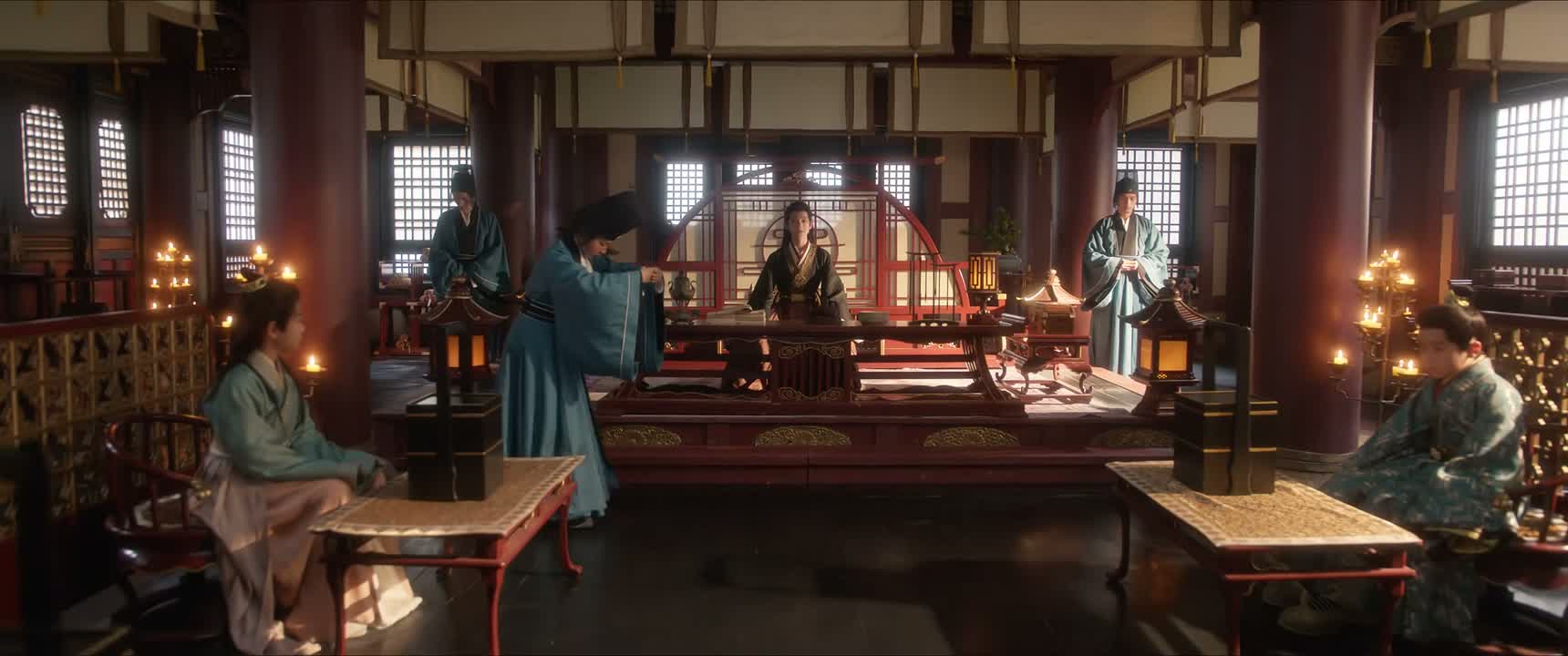
《Vanished Name》 S1·E22 (17:01) HSK 4
wǒ xīn lǐ nán shòu bù xíng nǐ bǎ wǒ dāng shén me rén le

我心里难受 不行 你把我当什么人了

“It upsets me. What kind of person do you think I am?”

《Vanished Name》 S1·E22
TIMECODE: 17:01 · 1080P MASTER AUDIO

THE DIALOGUE REEL

1+1+1 SPOKEN CONTINUITY
[-1] PREVIOUS TURN nǐ qǐng wǒ chī fàn qǐng wǒ dǎ chē jié guǒ nǐ zì jǐ zhù zhè zhòng dì fāng

你请我吃饭请我打车 结果你自己住这种地方

“You paid for dinner and a taxi, but you live here.”

wǒ xīn lǐ nán shòu bù xíng nǐ bǎ wǒ dāng shén me rén le CURRENT FOCUS

我 心里难受 不行 你把我当 什么人 了

“It upsets me. What kind of person do you think I am?”

[+1] FOLLOW-UP TURN zhè dōu shì zàn shí de děng wǒ zhǎo dào gōng zuò zhēng zhe qián le

这都是暂时的 等我找到工作挣着钱了

“This is temporary. Once I get a job and earn money, I'll move, all right?”

Subtitles synced to millisecond timecode Browse Show Clips →
Scene: Social & Dating
Function: GUILT EXPRESSION PROTEST
Tone: ASSERTIVE
Emotion: GUILT
WHAT THEY REALLY MEAN (PRAGMATIC SUBTEXT)
“Stop treating me like an outsider who needs spoiling while you suffer alone.”
💡 Cultural Insight: Over-politeness as Distance (Jian-wai)

In close relationships, excessively treating the other person while suffering in secret violates true solidarity and can make the receiver feel guilty or alienated.

INTENT TAGS: #reproach #guilt #protest #care_expression
🧩

LEARNING CHUNKS & PARTICLES

2 CHUNKS · 1 PARTICLES
心里难受 SPOKEN CHUNK

feeling bad; emotionally distressed

Used to describe inner moral ache, guilt, or heartbreak.

把...当什么人了 SPOKEN CHUNK

what kind of person do you take me for?

A standard rhetorical expression used when someone treats you with unfair distance, distrust, or excessive politeness.

Modal Particle「了」 (le) CHANGE OF STATE

Adds emotional emphasis to the rhetorical accusation.
🏮

VOCABULARY & EXPRESSIONS

3 EXPR · 0 GRAMMAR
CROSS-CINEMA CORPUS BOARD · PARALLEL SCENES

Parallel Spoken Cinema Scenes (语义近邻切片)

EXPLORE BY SEMANTIC SIMILARITY
《Vanished Name》 S1·E22 (17:01) · Authentic Cinema Dialogue Corpus