《The Tang Mist》 S1·E25 (20:30)
HSK 7
wú gū de lí mín bǎi xìng
无辜的黎民百姓
“(to suffer and endure) (the torment.)”
《The Tang Mist》
S1·E25
TIMECODE: 20:30
·
1080P MASTER AUDIO
THE DIALOGUE REEL
[-1] PREVIOUS TURN
zhōng jiū shì nà xiē
终究是那些
“(to suffer and endure)”
wú gū de lí mín bǎi xìng
CURRENT FOCUS
无辜的 黎民百姓
“(to suffer and endure) (the torment.)”
[+1] FOLLOW-UP TURN
wàng shèng shàng
望圣上
“(A bright and...) (I beg Your Majesty)”
Subtitles synced to millisecond timecode
Browse Show Clips →
Scene:
Historical & Court
Function:
APPEALING FOR COMPASSION
Tone:
SOLEMN AND EARNEST
Emotion:
GRIEF
WHAT THEY REALLY MEAN (PRAGMATIC SUBTEXT)
Direct spoken expression in this communicative setting.
💡 Cultural Insight: Benevolent Governance (Minben Thought)
In traditional Confucian statecraft, officials frequently invoke the suffering of commoners to morally constrain imperial decisions and appeal to the ruler's virtue.
INTENT TAGS:
#advocacy
#compassion
#petitioning
#moral_appeal
🧩
2 CHUNKS · 0 PARTICLES
LEARNING CHUNKS & PARTICLES
黎民百姓
SPOKEN CHUNK
the common people; ordinary folk
A classical, literary four-character expression commonly heard in historical dramas when discussing public welfare.
无辜的
SPOKEN CHUNK
innocent
Used to describe victims who bear no fault or guilt in a situation.
🏮
2 EXPR · 1 GRAMMAR
VOCABULARY & EXPRESSIONS
COLLOQUIAL EXPRESSIONS:
GRAMMAR BLUEPRINTS:
CROSS-CINEMA CORPUS BOARD · PARALLEL SCENES
EXPLORE BY SEMANTIC SIMILARITY
Parallel Spoken Cinema Scenes (语义近邻切片)
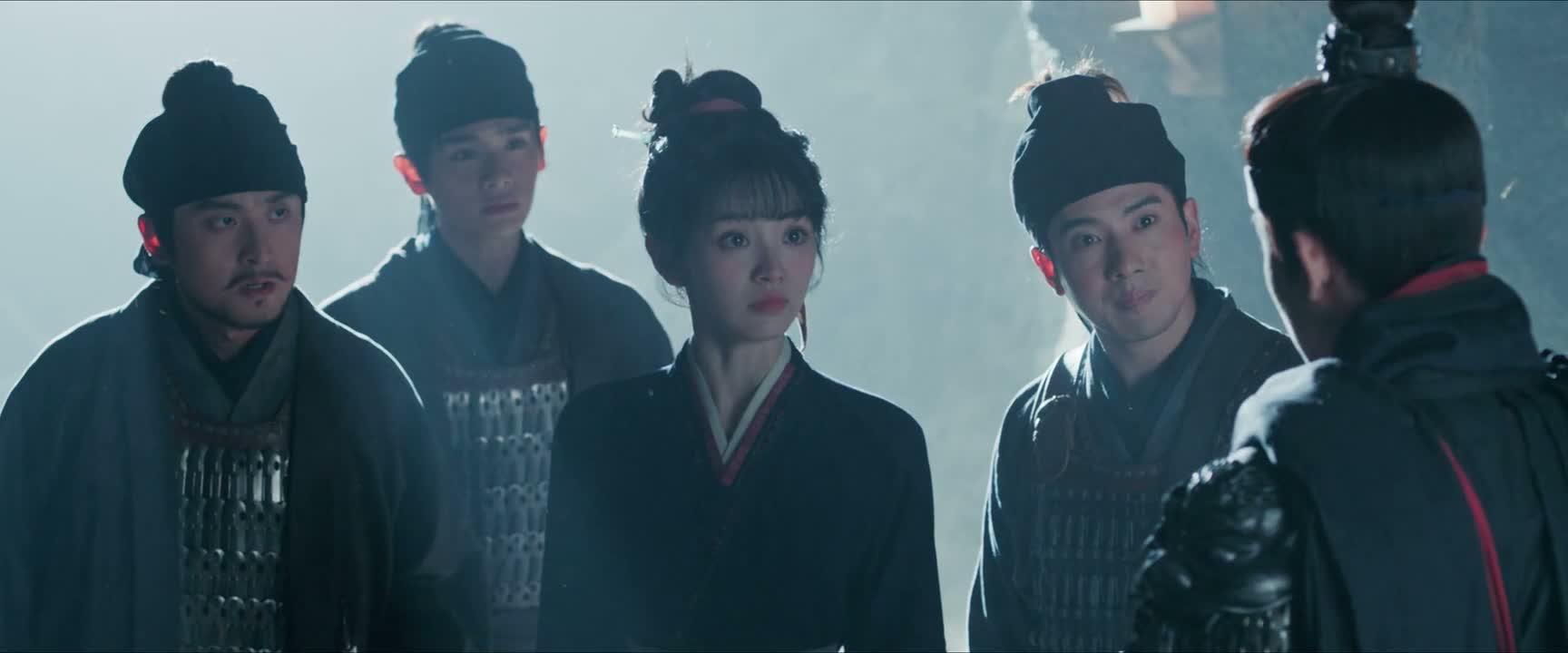
《The Tang Mist》 S1·E25 (20:30) · Authentic Cinema Dialogue Corpus