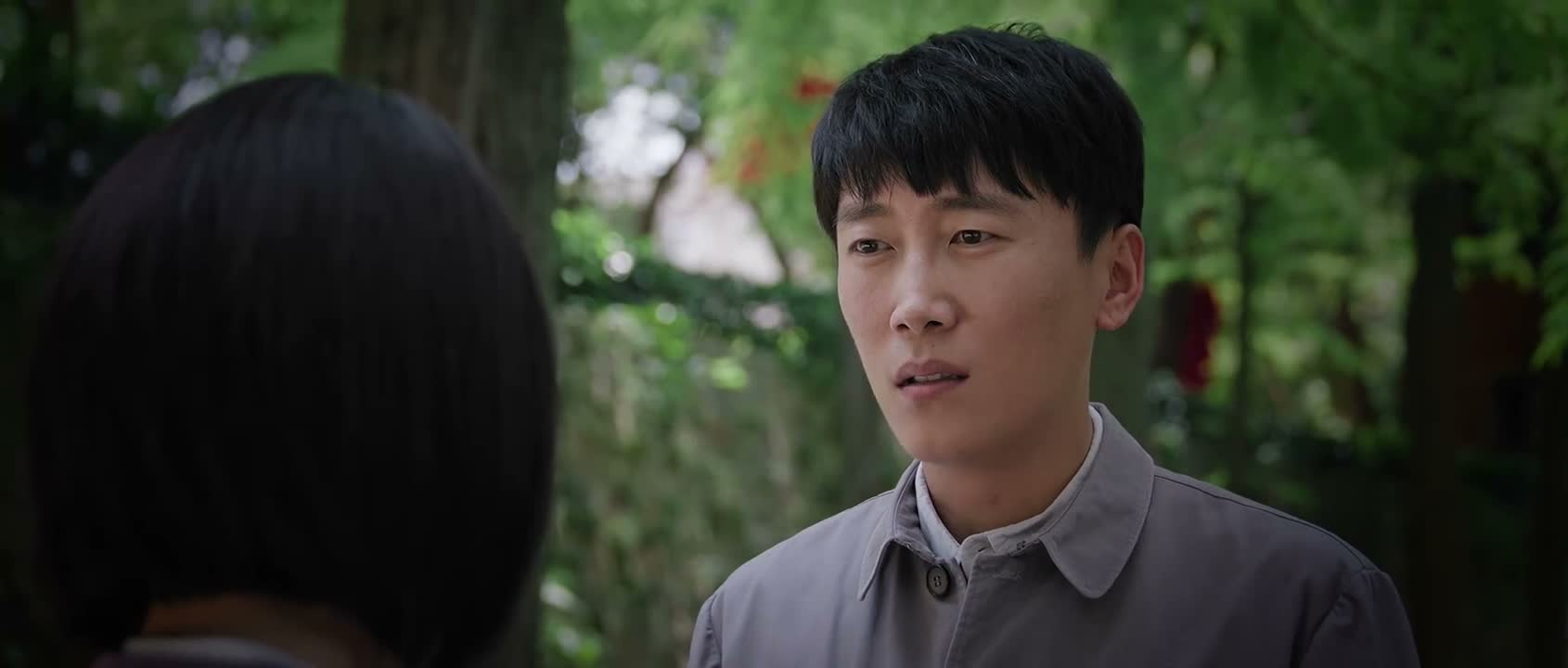
成分不同的人 怎么可以产生爱情呢
“How can people from different backgrounds fall in love?”
THE DIALOGUE REEL
“Maybe we were never meant to be.”
成分不同 的人 怎么可以 产生爱情 呢
“How can people from different backgrounds fall in love?”
“(Did you accept my proposal because you love me?)”
“You don't truly love me; there is a social gulf between us that makes authentic love impossible.”
In mid-20th-century China, one's family class origin (阶级成分) strictly dictated social status, marriage eligibility, and political security, making cross-class romance deeply fraught.
LEARNING CHUNKS & PARTICLES
different class or political backgrounds
A historically loaded term referring to social class origin (阶级成分) during China's planned-economy era.
develop romantic love, give rise to love
A somewhat literary or formal phrasing used when discussing romance conceptually.
Softens the rhetorical question while inviting introspection and highlighting disbelief.
VOCABULARY & EXPRESSIONS
Parallel Spoken Cinema Scenes (语义近邻切片)

“Unlike in romance novels,”

“Dating really changes a person.”
“fall in love?”

“fall in love?”