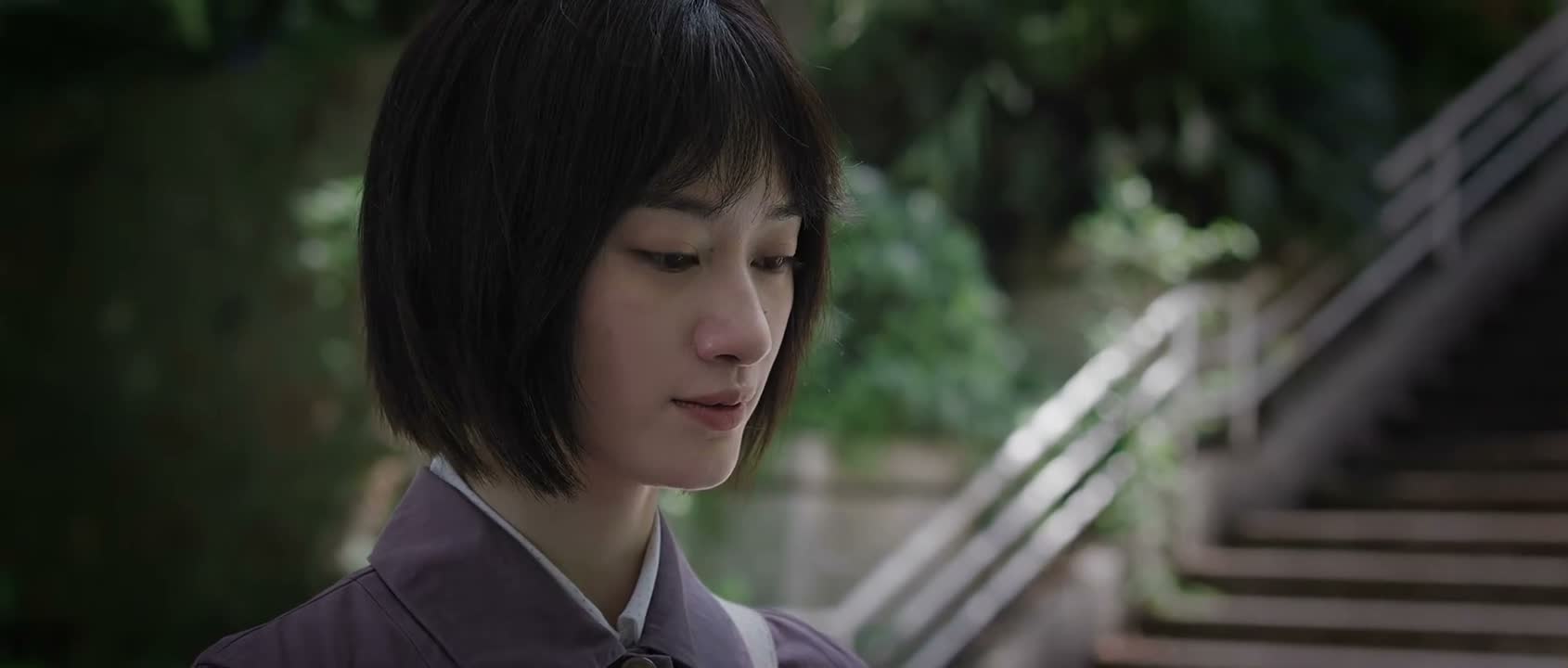
《Love Story in the 1970s》 S1·E16 (12:49)
HSK 4
zěn me kě yǐ chǎn shēng ài qíng ne
怎么可以产生爱情呢
“fall in love?”
《Love Story in the 1970s》
S1·E16
TIMECODE: 12:49
·
1080P MASTER AUDIO
THE DIALOGUE REEL
[-1] PREVIOUS TURN
chéng fèn bù tóng de rén
成分不同的人
“How can people of different backgrounds”
zěn me kě yǐ chǎn shēng ài qíng ne
CURRENT FOCUS
怎么可以 产生爱情 呢
“fall in love?”
[+1] FOLLOW-UP TURN
shì a
是啊
“Yeah.”
Subtitles synced to millisecond timecode
Browse Show Clips →
Scene:
Historical & Court
Function:
SEEKING VALIDATION
Tone:
INCREDULOUS
Emotion:
SKEPTICISM
WHAT THEY REALLY MEAN (PRAGMATIC SUBTEXT)
“Surely you agree that someone of that background can't possibly fall in love with them?”
💡 Cultural Insight: Ideological Conformity in Relationships
Political compatibility was historically treated as a prerequisite for romance, where personal passion was subordinated to collective values.
INTENT TAGS:
#consensus_seeking
#incredulity
#ideological_bias
#prompting
🧩
2 CHUNKS · 1 PARTICLES
LEARNING CHUNKS & PARTICLES
怎么可以
SPOKEN CHUNK
how can it be permissible; how could it happen
Standard rhetorical opener challenging the legitimacy of an action.
产生爱情
SPOKEN CHUNK
spark love; develop romantic feelings
Used in formal discourse or reflective discussions about romantic attraction.
Modal Particle「呢」 (ne)
CHANGE OF STATE
Softens the rhetorical question while prompting the listener to reflect and confirm the speaker's viewpoint.
🏮
2 EXPR · 0 GRAMMAR
VOCABULARY & EXPRESSIONS
COLLOQUIAL EXPRESSIONS:
CROSS-CINEMA CORPUS BOARD · PARALLEL SCENES
EXPLORE BY SEMANTIC SIMILARITY
Parallel Spoken Cinema Scenes (语义近邻切片)

《Love Story in the 1970s》 S1·E16 (12:49) · Authentic Cinema Dialogue Corpus