MC
MandarinClips Cinema Corpus
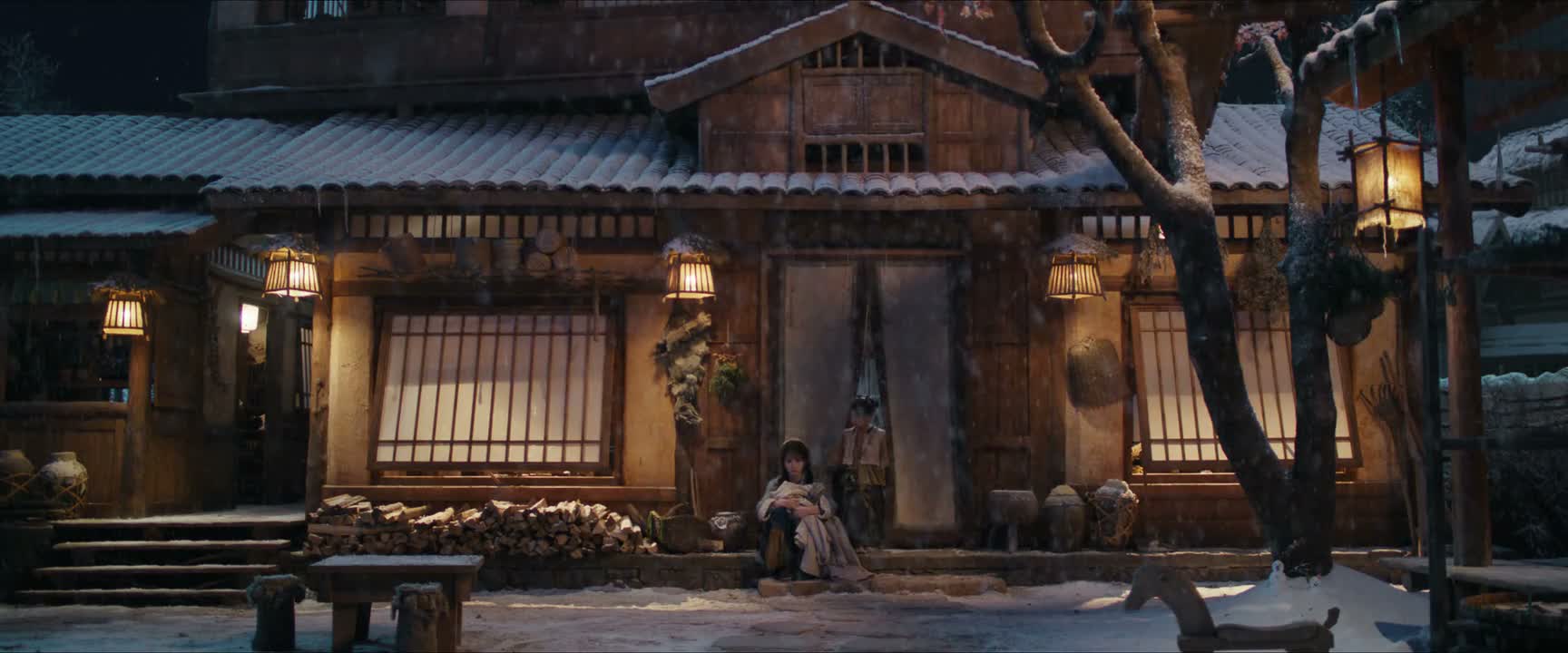
《Love Story in the 1970s》 S1·E12 (05:41) HSK 6
guǎn shuí jiè de yī fú ya nǐ kàn nǐ zhè xiù zi zhè me duǎn

管谁借的衣服呀 你看你这袖子这么短

“Who did you borrow those clothes from? Look, the sleeves are short.”

《Love Story in the 1970s》 S1·E12
TIMECODE: 05:41 · 1080P MASTER AUDIO

THE DIALOGUE REEL

1+1+1 SPOKEN CONTINUITY
[-1] PREVIOUS TURN wǒ chī fàn qù le

我吃饭去了

“I'm off to eat.”

guǎn shuí jiè de yī fú ya nǐ kàn nǐ zhè xiù zi zhè me duǎn CURRENT FOCUS

管谁借的 衣服呀 你看你这 袖子这么短

“Who did you borrow those clothes from? Look, the sleeves are short.”

[+1] FOLLOW-UP TURN zěn me bào shè yǒu huó dòng

怎么报社有活动

“Is there any newspaper event?”

Subtitles synced to millisecond timecode Browse Show Clips →
Scene: Daily Life
Function: CRITIQUING APPEARANCE
Tone: TEASING
Emotion: AMUSEMENT
WHAT THEY REALLY MEAN (PRAGMATIC SUBTEXT)
“Whose ridiculous jacket are you wearing? It obviously doesn't fit you at all.”
💡 Cultural Insight: Borrowing Clothes for Formal Occasions

During periods of material scarcity in China, people frequently borrowed formal jackets or suits from friends or neighbors when attending important events like newspaper functions or photo shoots.

INTENT TAGS: #teasing #critique #observing #banter
🧩

LEARNING CHUNKS & PARTICLES

2 CHUNKS · 1 PARTICLES
管谁借 SPOKEN CHUNK

borrow from whom

A classic northern Mandarin spoken pattern where '管' functions like '向' or '跟' to indicate borrowing from someone.

你看你 SPOKEN CHUNK

look at you

A spoken phrase used to draw attention to someone's funny, messy, or inappropriate state before criticizing them.

Modal Particle「呀」 (ya) CHANGE OF STATE

Softens the interrogative question, giving it a lively and gossipy tone.
🏮

VOCABULARY & EXPRESSIONS

3 EXPR · 0 GRAMMAR
CROSS-CINEMA CORPUS BOARD · PARALLEL SCENES

Parallel Spoken Cinema Scenes (语义近邻切片)

EXPLORE BY SEMANTIC SIMILARITY
《Love Story in the 1970s》 S1·E12 (05:41) · Authentic Cinema Dialogue Corpus