MC
MandarinClips Cinema Corpus
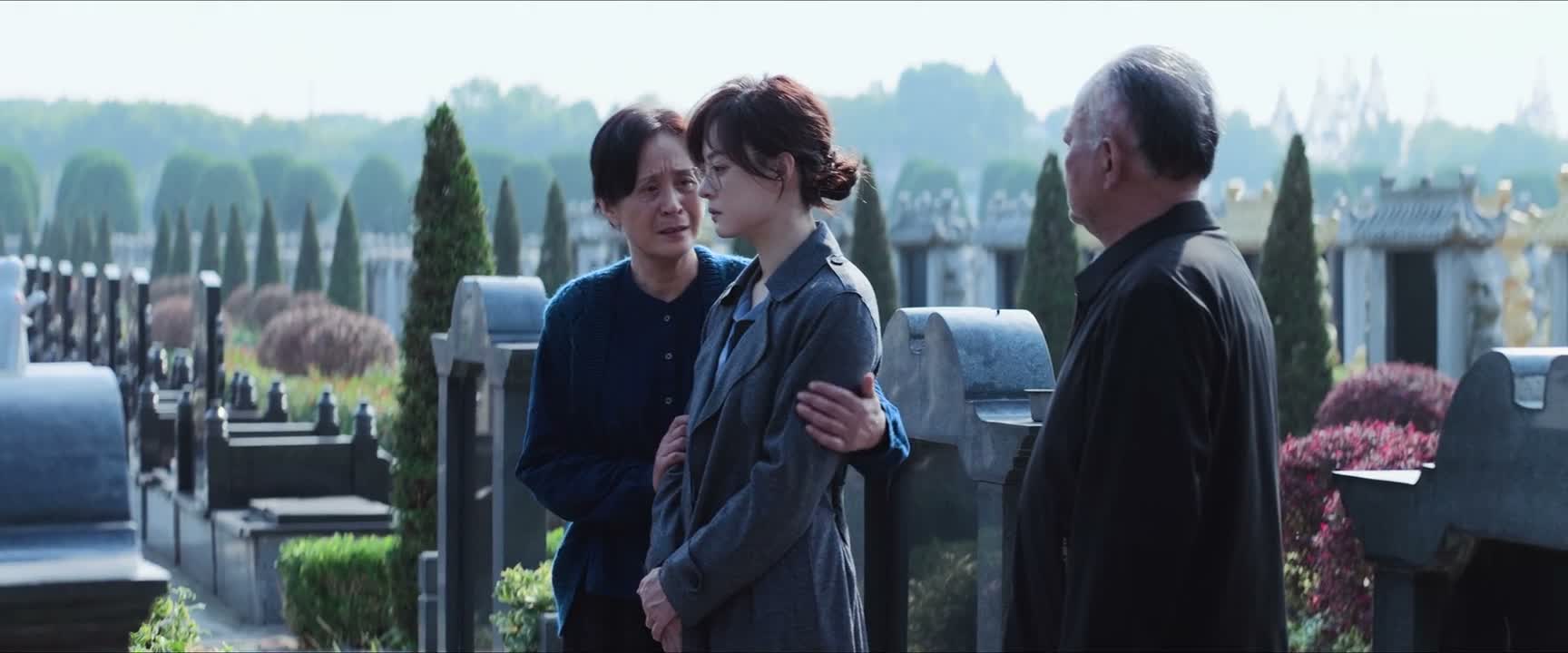
《Love Story in the 1970s》 S1·E12 (39:20) HSK 4
nǐ kě bié zhè me shuō wǒ kě méi guǎn nǐ yào a

你可别这么说 我可没管你要啊

“Don't say it like that. I didn't ask you for one.”

《Love Story in the 1970s》 S1·E12
TIMECODE: 39:20 · 1080P MASTER AUDIO

THE DIALOGUE REEL

1+1+1 SPOKEN CONTINUITY
[-1] PREVIOUS TURN yě gěi nǐ nòng zhāng diàn shì jī piào

“to get you a television coupon.”

nǐ kě bié zhè me shuō wǒ kě méi guǎn nǐ yào a CURRENT FOCUS

你可别这么说 我 可没 管你 要啊

“Don't say it like that. I didn't ask you for one.”

[+1] FOLLOW-UP TURN dāng rán le

当然了

“Of course not.”

Subtitles synced to millisecond timecode Browse Show Clips →
Scene: Daily Life
Function: PREEMPTIVE DENIAL
Tone: ASSERTIVE
Emotion: DEFENSIVENESS
WHAT THEY REALLY MEAN (PRAGMATIC SUBTEXT)
“Make sure nobody thinks I pressured you for this favor, but I'll happily take it.”
💡 Cultural Insight: Face and Rationed Goods Favor-Trading

In historical China where luxury commodities like televisions required scarce quota tickets, receiving one was a massive favor requiring delicate face-saving to avoid appearing opportunistic.

INTENT TAGS: #face_saving #deflection #denial #polite_hedging
🧩

LEARNING CHUNKS & PARTICLES

2 CHUNKS · 1 PARTICLES
你可别这么说 SPOKEN CHUNK

don't say that / please don't frame it like that

Used to urgently decline improper credit, deflect a complement, or fend off an accusation of improper behavior.

管你要 SPOKEN CHUNK

ask you for (something)

A northern Mandarin spoken colloquial pattern used to indicate requesting or soliciting goods or favors from someone.

Modal Particle「啊」 (a) CHANGE OF STATE

Emphasizes the speaker's defensive assertion and softens the potential sharpness of the rebuttal.
🏮

VOCABULARY & EXPRESSIONS

3 EXPR · 0 GRAMMAR
CROSS-CINEMA CORPUS BOARD · PARALLEL SCENES

Parallel Spoken Cinema Scenes (语义近邻切片)

EXPLORE BY SEMANTIC SIMILARITY
《Love Story in the 1970s》 S1·E12 (39:20) · Authentic Cinema Dialogue Corpus