MC
MandarinClips Cinema Corpus
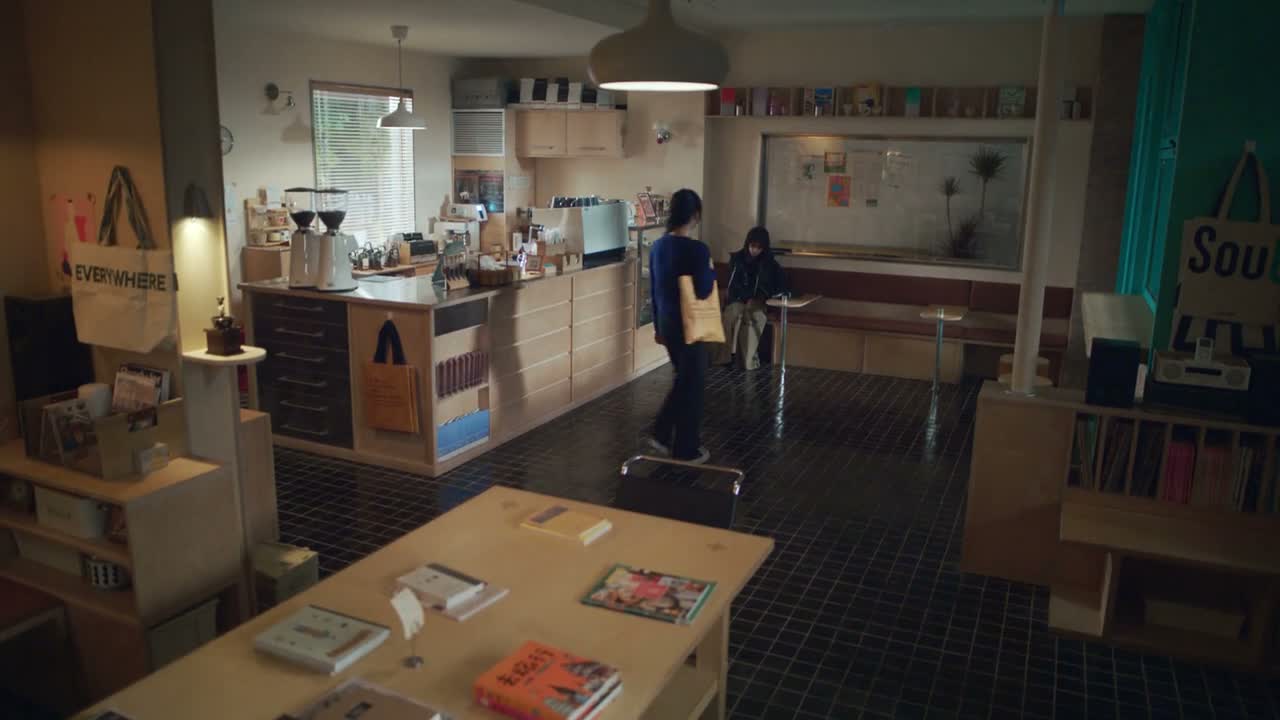
《Love Story in the 1970s》 S1·E12 (36:26) HSK 4
xiè xiè jiě nà wǒ xiān zǒu le hái yào qù gǎn huǒ chē ń

谢谢姐 那我先走了 还要去赶火车 嗯

“Thank you, Mujing. I should go now. We need to catch the train. Sure.”

《Love Story in the 1970s》 S1·E12
TIMECODE: 36:26 · 1080P MASTER AUDIO

THE DIALOGUE REEL

1+1+1 SPOKEN CONTINUITY
[-1] PREVIOUS TURN qián cún hǎo

钱存好

“keep the money.”

xiè xiè jiě nà wǒ xiān zǒu le hái yào qù gǎn huǒ chē ń CURRENT FOCUS

谢谢 姐 那我先走了 还要 去 赶火车 嗯

“Thank you, Mujing. I should go now. We need to catch the train. Sure.”

[+1] FOLLOW-UP TURN yǒu shén me shì jiāng nán zhǎo wǒ jiě fū

“If anything comes up, come to Jiangnan to find me. OK, Hua.”

Subtitles synced to millisecond timecode Browse Show Clips →
Scene: Travel & Transit
Function: TAKING LEAVE
Tone: POLITE
Emotion: GRATITUDE
WHAT THEY REALLY MEAN (PRAGMATIC SUBTEXT)

Direct spoken expression in this communicative setting.

💡 Cultural Insight: Kinship Terms for Familiar Acquaintances

Addressing an older female as 'jie' signals warmth, respect, and close community or familial ties.

INTENT TAGS: #taking_leave #gratitude #departure #hurrying
🧩

LEARNING CHUNKS & PARTICLES

2 CHUNKS · 1 PARTICLES
那我先走了 SPOKEN CHUNK

well then I'll be leaving first

A very standard and natural formula for taking leave among acquaintances or family.

赶火车 SPOKEN CHUNK

rush to catch a train

Used when hurrying to make a train before departure.

Modal Particle「嗯」 (en) CHANGE OF STATE

Functions as a soft vocalization confirming acknowledgment or closing a farewell.
🏮

VOCABULARY & EXPRESSIONS

4 EXPR · 0 GRAMMAR
CROSS-CINEMA CORPUS BOARD · PARALLEL SCENES

Parallel Spoken Cinema Scenes (语义近邻切片)

EXPLORE BY SEMANTIC SIMILARITY
《Love Story in the 1970s》 S1·E12 (36:26) · Authentic Cinema Dialogue Corpus