MC
MandarinClips Cinema Corpus
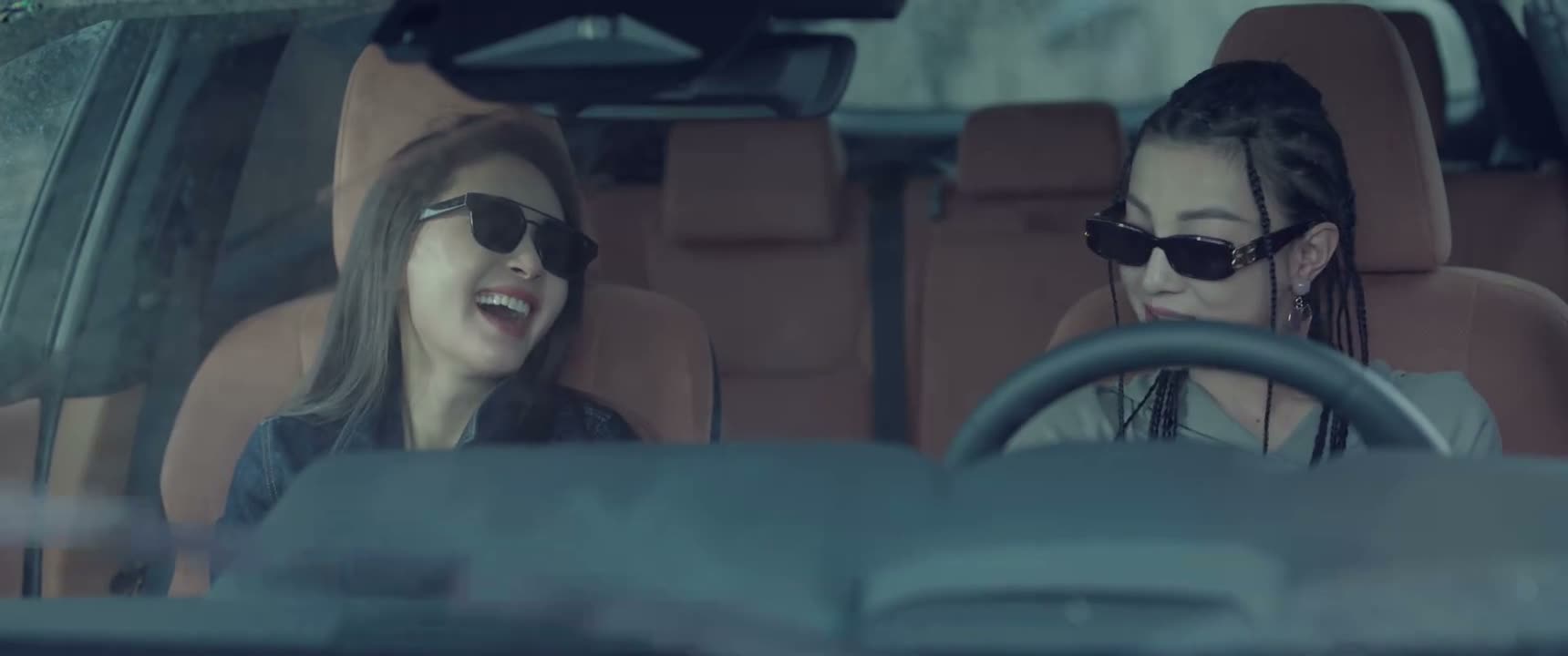
《Love Between Lines》 S1·E23 (12:12) HSK 4
nǐ bié dé yì a nǐ hái hái xiào bù gǎn le bù gǎn le

你别得意啊 你还 还笑 不敢了不敢了

“Stop being so smug. Y-You're still smiling? I'll stop, I'll stop.”

《Love Between Lines》 S1·E23
TIMECODE: 12:12 · 1080P MASTER AUDIO

THE DIALOGUE REEL

1+1+1 SPOKEN CONTINUITY
[-1] PREVIOUS TURN nǐ shǎo zì liàn le a

你少自恋了啊

“Don't flatter yourself.”

nǐ bié dé yì a nǐ hái hái xiào bù gǎn le bù gǎn le CURRENT FOCUS

你别得意 啊 你还 还笑 不敢了 不敢了

“Stop being so smug. Y-You're still smiling? I'll stop, I'll stop.”

[+1] FOLLOW-UP TURN duì le

对了

“Oh, right.”

Subtitles synced to millisecond timecode Browse Show Clips →
Scene: Social & Dating
Function: PLAYFUL SURRENDER
Tone: TEASING
Emotion: JOY
WHAT THEY REALLY MEAN (PRAGMATIC SUBTEXT)
“Stop gloating, you're embarrassing me, but I find you adorable.”
💡 Cultural Insight: Flirtatious Bickering (打情骂俏)

In Chinese social and romantic interactions, mock scolding and dramatic surrender are standard conventions to display warmth and intimacy without explicit declarations.

INTENT TAGS: #banter #teasing #mock_surrender #flirting
🧩

LEARNING CHUNKS & PARTICLES

2 CHUNKS · 2 PARTICLES
别得意 SPOKEN CHUNK

don't get smug; don't flatter yourself

A common colloquial phrase used playfully or critically when someone acts overly pleased with themselves.

不敢了 SPOKEN CHUNK

I won't dare anymore; I surrender

Frequently doubled as '不敢了不敢了' in banter to show mock defeat or comedic surrender.

Modal Particle「啊」 (a) CHANGE OF STATE

Softens the imperative '别得意', making the warning playful rather than aggressive.

Modal Particle「了」 (le) CHANGE OF STATE

Marks a change of state, indicating a shift into immediate surrender.
🏮

VOCABULARY & EXPRESSIONS

2 EXPR · 0 GRAMMAR
CROSS-CINEMA CORPUS BOARD · PARALLEL SCENES

Parallel Spoken Cinema Scenes (语义近邻切片)

EXPLORE BY SEMANTIC SIMILARITY
《Love Between Lines》 S1·E23 (12:12) · Authentic Cinema Dialogue Corpus