MC
MandarinClips Cinema Corpus
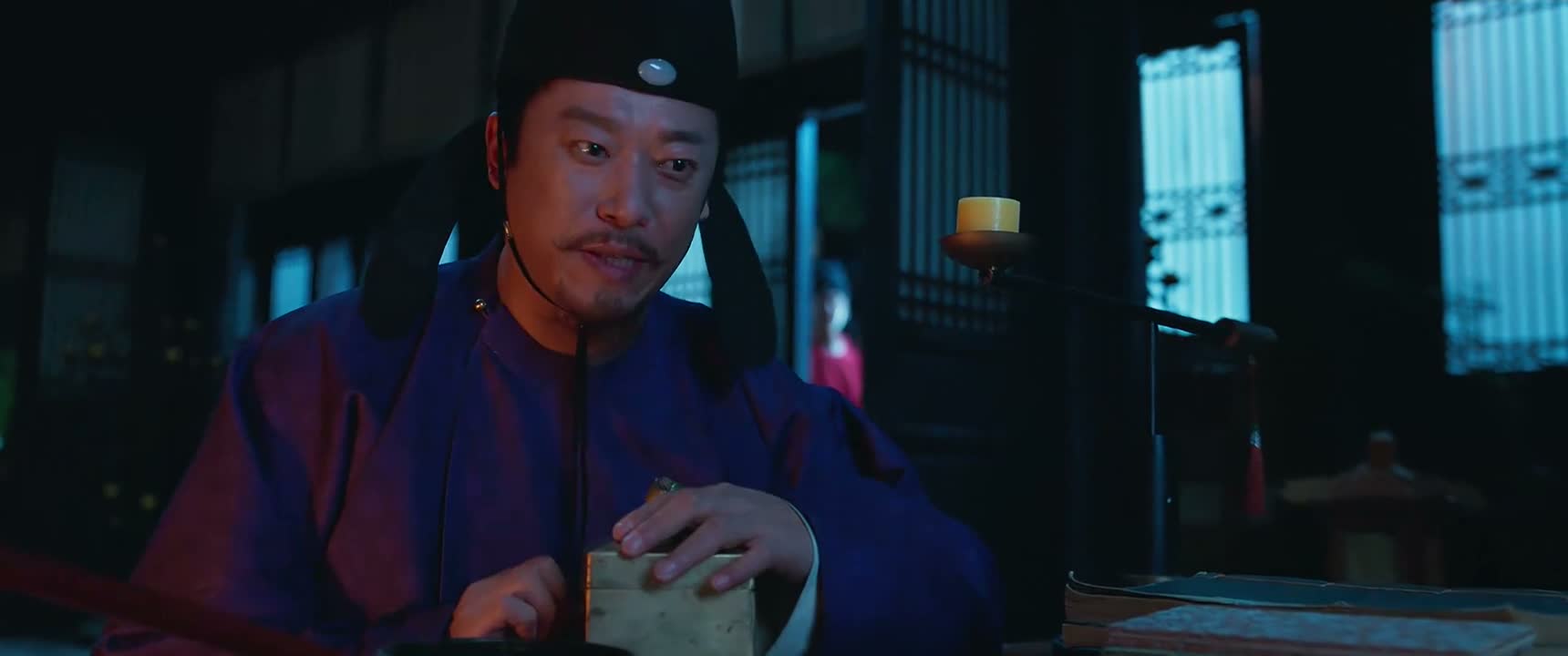
《Love Story in the 1970s》 S1·E13 (06:41) HSK 4
duì duì duì nǐ kàn kàn zǒu tài jí yào shi wàng dài le

对对对 你看看 走太急钥匙忘带了

“Yes. See? I left in such a rush that I forgot the key.”

《Love Story in the 1970s》 S1·E13
TIMECODE: 06:41 · 1080P MASTER AUDIO

THE DIALOGUE REEL

1+1+1 SPOKEN CONTINUITY
[-1] PREVIOUS TURN yào shi a nǐ shuō zhè

钥匙啊 你说这

“- The key. - I mean...”

duì duì duì nǐ kàn kàn zǒu tài jí yào shi wàng dài le CURRENT FOCUS

对对对 你看看 走太急 钥匙忘带了

“Yes. See? I left in such a rush that I forgot the key.”

[+1] FOLLOW-UP TURN zài zhè ér ràng féng lín tóng zhì děng zhe a nǐ kàn zài zhè ne

“You kept Feng Lin waiting. Here it is, right here.”

Subtitles synced to millisecond timecode Browse Show Clips →
Scene: Daily Life
Function: EXCUSE MAKING
Tone: APOLOGETIC
Emotion: EMBARRASSMENT
WHAT THEY REALLY MEAN (PRAGMATIC SUBTEXT)

Direct spoken expression in this communicative setting.

💡 Cultural Insight: Saving Face through Blaming Haste (急中生失)

Attributing an embarrassing mistake to rushing or busyness rather than carelessness is a common conversational tactic to preserve competence.

INTENT TAGS: #excuse #admitting_mistake #explanation
🧩

LEARNING CHUNKS & PARTICLES

2 CHUNKS · 1 PARTICLES
走太急 SPOKEN CHUNK

left in too much of a rush

A very common spoken explanation or polite excuse when someone forgets an item or makes a minor logistical error.

忘带了 SPOKEN CHUNK

forgot to bring

Standard spoken collocation for leaving an essential object behind.

Modal Particle「了」 (le) CHANGE OF STATE

Indicates a realized action or unexpected change of state resulting in an omission.
🏮

VOCABULARY & EXPRESSIONS

4 EXPR · 1 GRAMMAR
CROSS-CINEMA CORPUS BOARD · PARALLEL SCENES

Parallel Spoken Cinema Scenes (语义近邻切片)

EXPLORE BY SEMANTIC SIMILARITY
《Love Story in the 1970s》 S1·E13 (06:41) · Authentic Cinema Dialogue Corpus