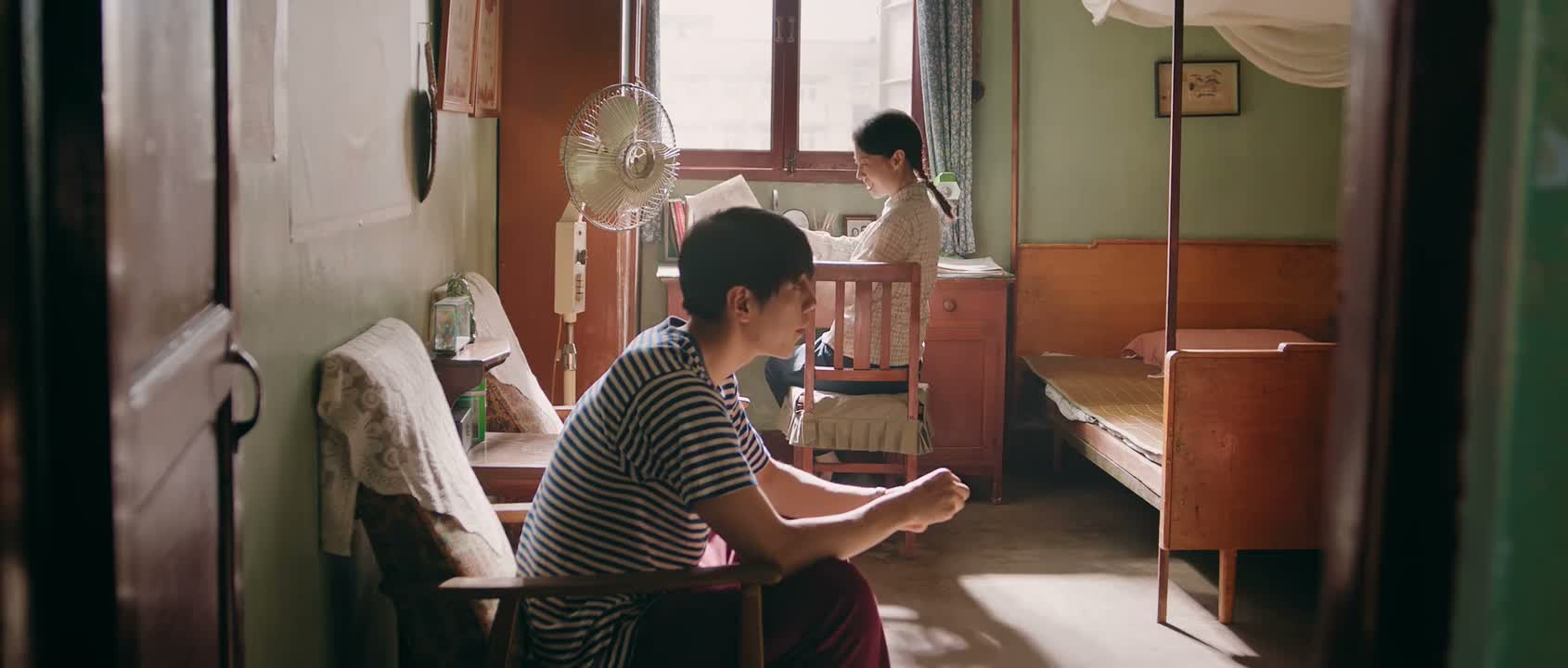
《Love Story in the 1970s》 S1·E13 (37:58)
HSK 6
nǐ yǐ hòu duō xiàng rén jiā líng yī xué xí xué xí
你以后多向人家凌漪学习学习
“you should learn a thing or two from Ling Yi.”
《Love Story in the 1970s》
S1·E13
TIMECODE: 37:58
·
1080P MASTER AUDIO
THE DIALOGUE REEL
[-1] PREVIOUS TURN
yè fēng a
叶峰啊
“Ye Feng,”
nǐ yǐ hòu duō xiàng rén jiā líng yī xué xí xué xí
CURRENT FOCUS
你以后多 向 人家 凌漪 学习学习
“you should learn a thing or two from Ling Yi.”
[+1] FOLLOW-UP TURN
líng yī a
凌漪啊
“Ling Yi,”
Subtitles synced to millisecond timecode
Browse Show Clips →
Scene:
Daily Life
Function:
ADVISING
Tone:
INSTRUCTIVE
Emotion:
DISAPPOINTMENT
WHAT THEY REALLY MEAN (PRAGMATIC SUBTEXT)
“You are not doing well enough; look at how much better she is doing.”
💡 Cultural Insight: The Exemplar Complex / 'Other People's Child' (别人家的孩子)
A deep-seated Chinese social habit where mentors or parents motivate individuals by comparing them directly to commendable peers, often intending encouragement but eliciting pressure.
INTENT TAGS:
#exhortation
#comparison
#critique
#role_modeling
🧩
2 CHUNKS · 0 PARTICLES
LEARNING CHUNKS & PARTICLES
向...学习
SPOKEN CHUNK
learn from...
A classic pattern for holding someone up as an exemplar or model to follow.
人家
SPOKEN CHUNK
that person; other people (referring to a third party with esteem)
Used colloquially to refer to a respected or idealized third party when drawing comparisons.
🏮
2 EXPR · 1 GRAMMAR
VOCABULARY & EXPRESSIONS
COLLOQUIAL EXPRESSIONS:
GRAMMAR BLUEPRINTS:
CROSS-CINEMA CORPUS BOARD · PARALLEL SCENES
EXPLORE BY SEMANTIC SIMILARITY
Parallel Spoken Cinema Scenes (语义近邻切片)
《Love Story in the 1970s》 S1·E13 (37:58) · Authentic Cinema Dialogue Corpus