当年我把队长丢了
“I lost the Captain back then.”
THE DIALOGUE REEL
在你需要我的时候
“when you need me.”
当年我 把队长丢了
“I lost the Captain back then.”
“Now, I can't lose my brother too.”
“I failed before, and the guilt haunts me; I refuse to let history repeat itself with you.”
In Chinese culture, elder siblings or comrades carry immense moral responsibility for their group, and past failures often fuel intense, protective loyalty later in life.
LEARNING CHUNKS & PARTICLES
back in those years; at that time
Commonly used in spoken Chinese to introduce personal reminiscence or historical context.
lost; let go of
Colloquially applied here not just to lost objects, but tragically to failing to protect or losing track of a person.
Marks the completion of a permanent, irreversible past event with heavy emotional finality.
VOCABULARY & EXPRESSIONS
Parallel Spoken Cinema Scenes (语义近邻切片)
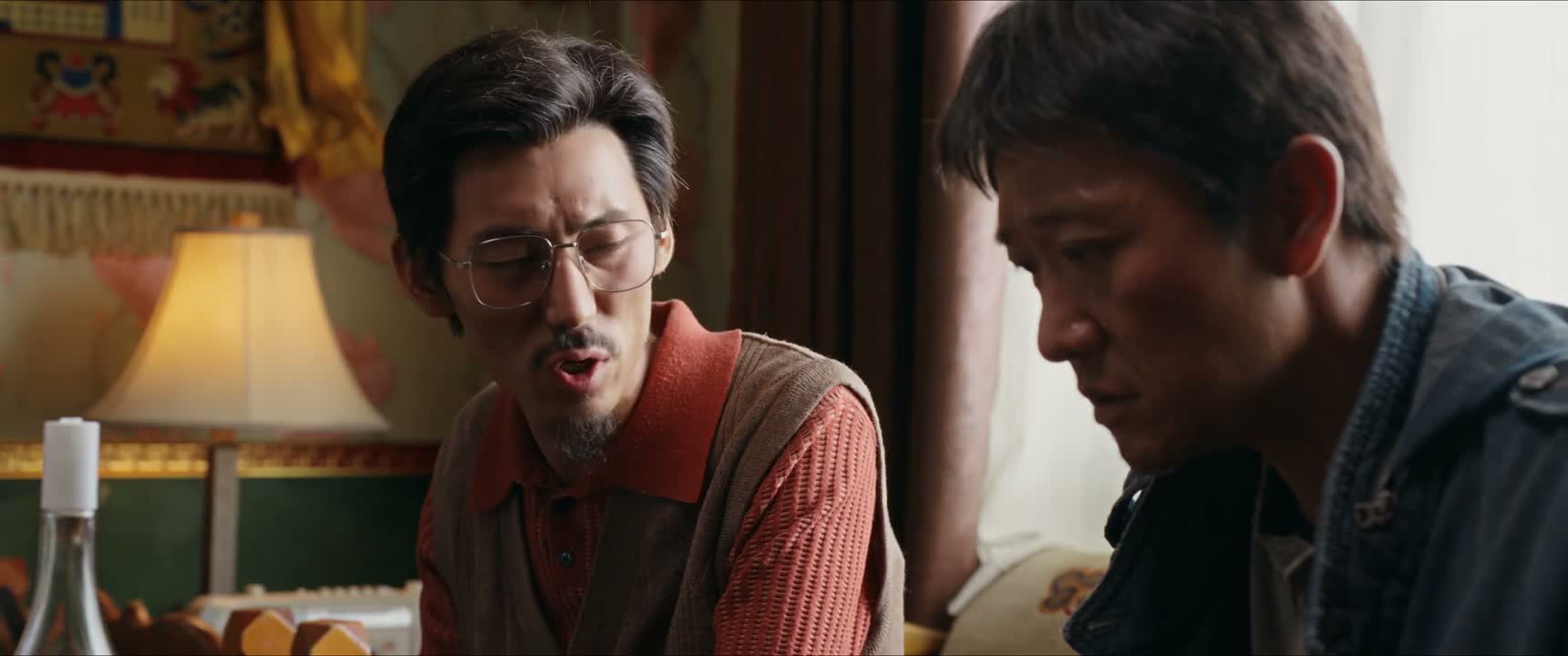
“He has been missing for 17 years.”

“But the information they provided had nothing to do with Captain's disappearance.”

“I finally found the Captain. I feel like I can finally find some closure.”

“Every captain wants to protect his member.”

“I am not a good captain.”

“Captain of Narcotics Control. Thank you”