楚将军何罪之有啊?
“So how can General Chu be blamed?”
THE DIALOGUE REEL
按《大楚律》 如遇敌情不明 可先斩后奏
“According to our laws, when a threat is imminent and unclear, one may act first and report thereafter.”
楚将军 何罪之有 啊?
“So how can General Chu be blamed?”
“Your Majesty, General Chu is advanced in years.”
“He did nothing wrong, so drop the charges.”
In classical literary Chinese, placing '之' before the verb '有' forms a rhetorical inversion meaning 'there is no such thing', widely preserved in formal modern speech and period dramas.
LEARNING CHUNKS & PARTICLES
what crime has been committed; completely innocent
A classical four-character rhetorical construction used to assert someone's absolute blamelessness.
Softens the rhetorical question while adding an emotive, persuasive edge to the inquiry.
VOCABULARY & EXPRESSIONS
Parallel Spoken Cinema Scenes (语义近邻切片)

“Besides, I've admired General Chu.”

“- You took General Chu's life! - Die!”

“Mr. Chu, where are you heading in such a rush?”
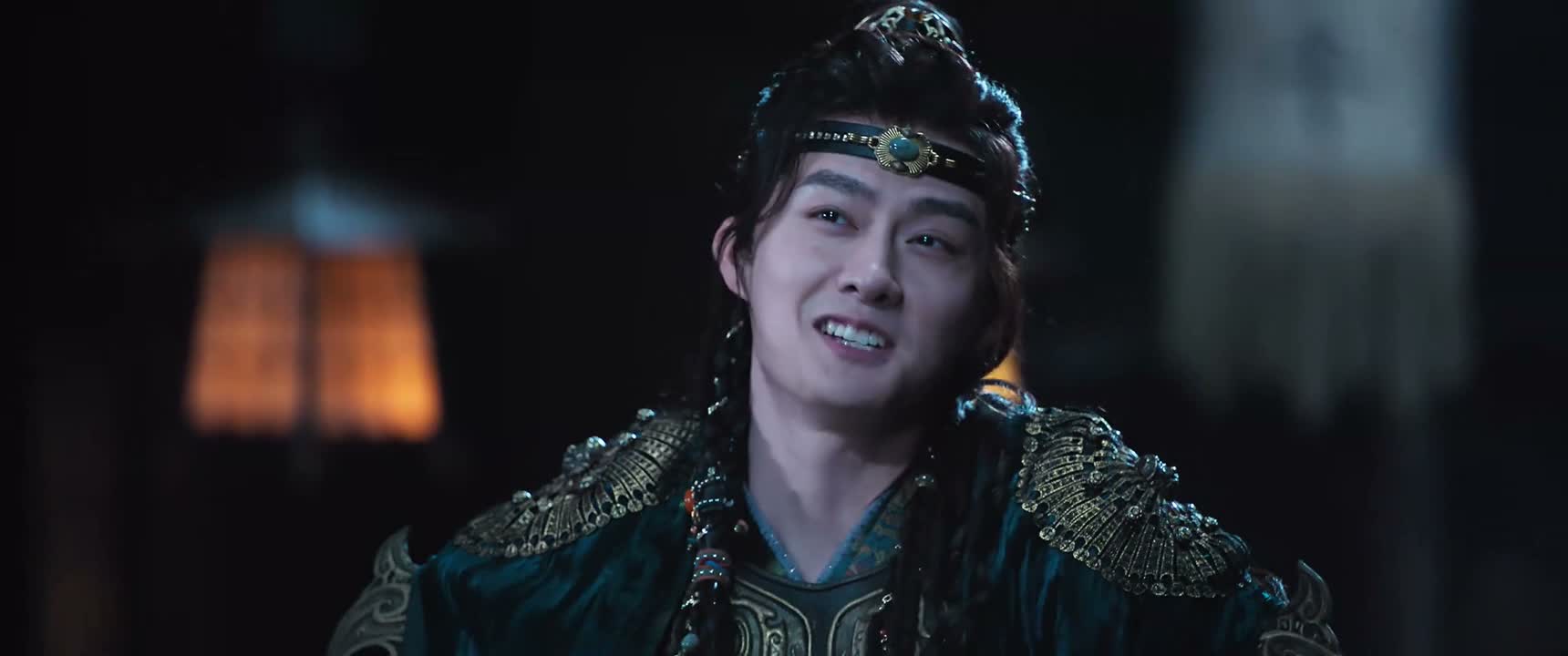
“General Xiao, why put on such airs?”

“and yet Chu Zhao never moved against him.”
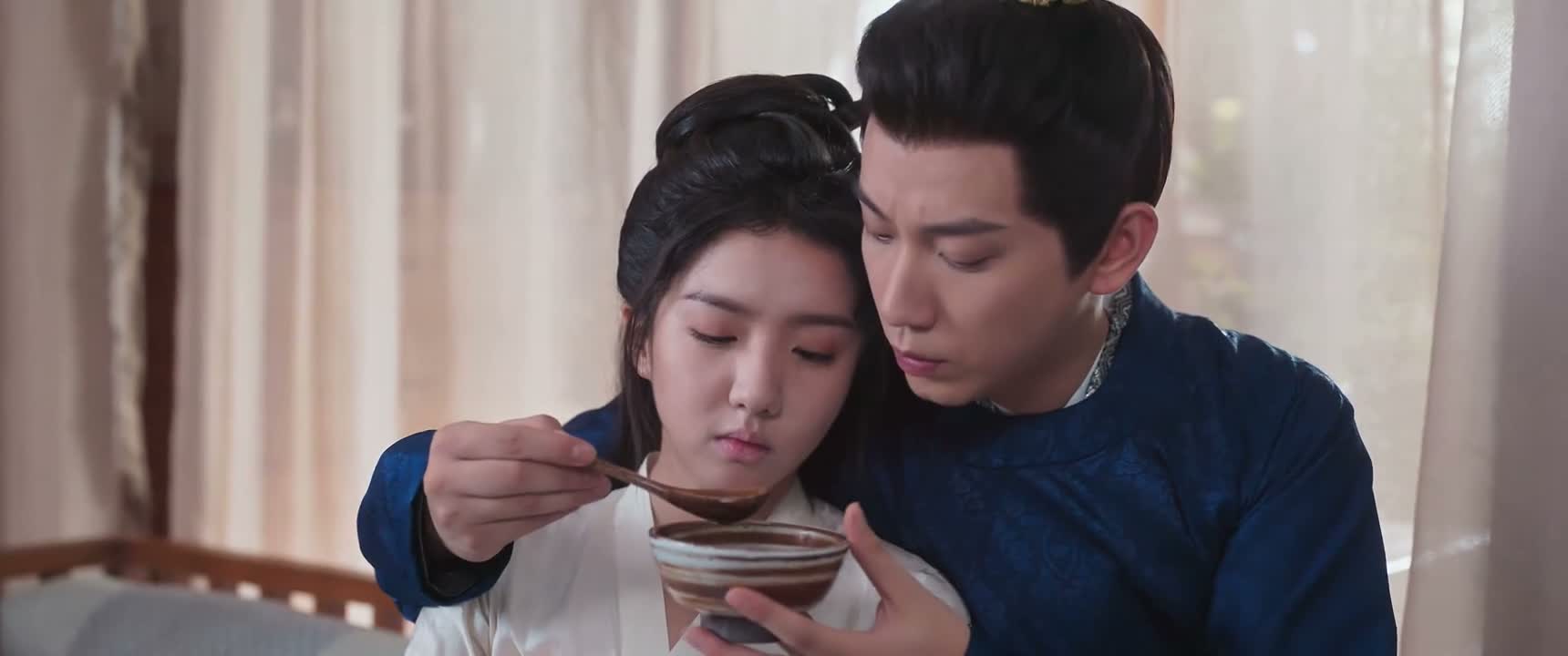
“(Chu Chu finally pull back from the brink of death.)”