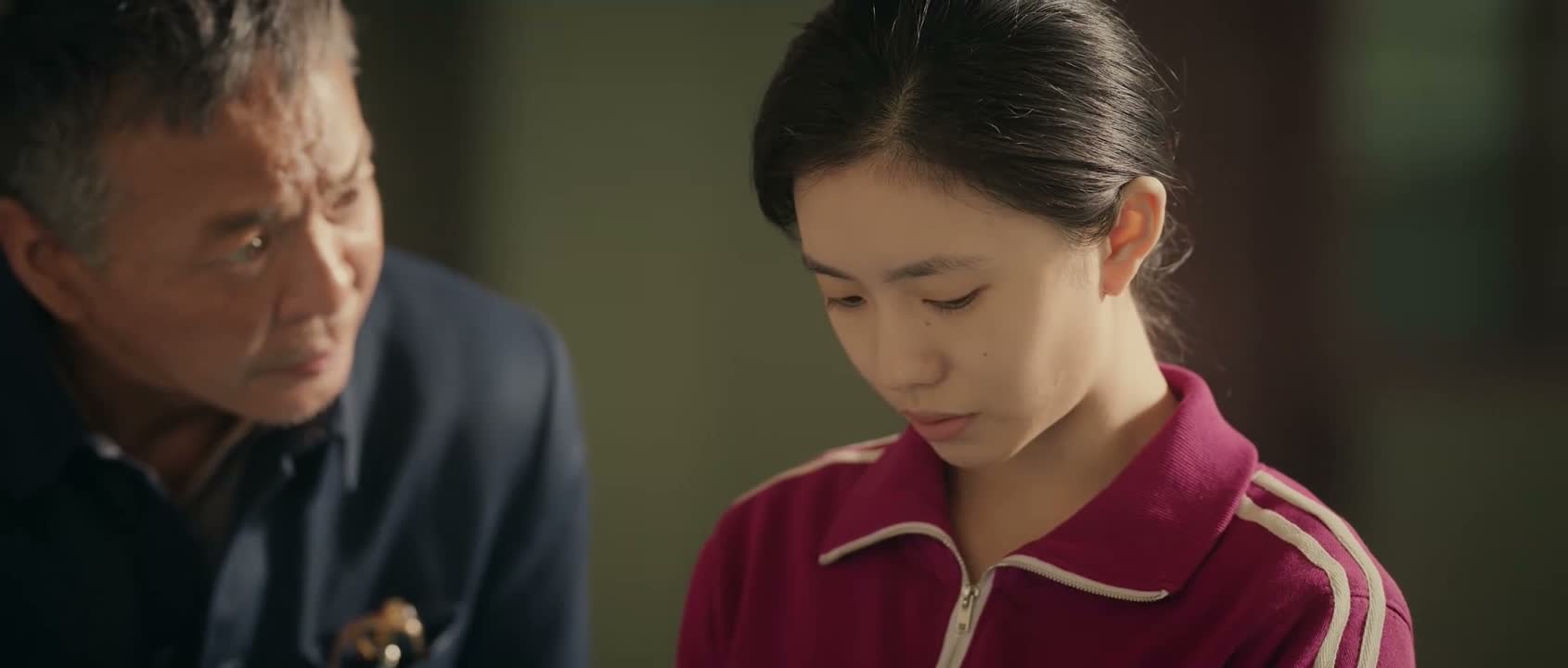
《The Knockout》 S1·E17 (13:39)
HSK 3
nǐ nǎ zhǐ yǎn jīng tīng jiàn wǒ nǎ zhǐ ěr duǒ wǒ tīng jiàn
你哪只眼睛听见我 哪只耳朵我听见
“Which eye of yours saw... Which ear of yours heard...”
《The Knockout》
S1·E17
TIMECODE: 13:39
·
1080P MASTER AUDIO
THE DIALOGUE REEL
[-1] PREVIOUS TURN
nǐ méi jué de zài bèi hòu tōu tīng bié rén tán huà hěn bù dào dé
你没觉得 在背后偷听别人谈话 很不道德
“Don't you think eavesdropping is immoral?”
nǐ nǎ zhǐ yǎn jīng tīng jiàn wǒ nǎ zhǐ ěr duǒ wǒ tīng jiàn
CURRENT FOCUS
你 哪只眼睛 听见我 哪只耳朵 我听见
“Which eye of yours saw... Which ear of yours heard...”
[+1] FOLLOW-UP TURN
wǒ gāng cái wǒ shén me gēn běn méi yǒu xíng le
我刚才 我什么 根本没有 行了
“-I... -What? I never... Alright.”
Subtitles synced to millisecond timecode
Browse Show Clips →
Scene:
Crisis & Conflict
Function:
DEFENSIVE COUNTERATTACK
Tone:
DEFENSIVE
Emotion:
ANGER
WHAT THEY REALLY MEAN (PRAGMATIC SUBTEXT)
“You have no proof that I listened in on you, so stop accusing me!”
💡 Cultural Insight: Slipping Under Accusations (Flustered Defensiveness)
Muddled idioms or mixing sensory organs ('which eye heard') in Chinese often reveal a speaker whose defensive anger is betrayed by genuine panic or guilt.
INTENT TAGS:
#denial
#defensiveness
#counter_accusation
#flustered
🧩
1 CHUNKS · 0 PARTICLES
LEARNING CHUNKS & PARTICLES
哪只眼睛
SPOKEN CHUNK
which eye (did you see with)
A colloquial rhetorical challenge used when denying an accusation, demanding to know how the accuser witnessed it.
🏮
2 EXPR · 0 GRAMMAR
VOCABULARY & EXPRESSIONS
COLLOQUIAL EXPRESSIONS:
CROSS-CINEMA CORPUS BOARD · PARALLEL SCENES
EXPLORE BY SEMANTIC SIMILARITY
Parallel Spoken Cinema Scenes (语义近邻切片)

《The Knockout》 S1·E17 (13:39) · Authentic Cinema Dialogue Corpus